




What if the biggest obstacle to learning to swim isn’t skill, but the courage to take that first leap? This inspiring exploration reveals how swimming transcends childhood milestones, offering transformative benefits for all ages—boosting confidence, fostering independence, and turning water from a source of fear into a space of joy. From foundational techniques rooted in ancient wisdom to cutting-edge technological innovations, the journey to water confidence is accessible and customizable. Whether through calm, patient instruction or engaging digital tools, learners can gradually overcome anxiety, celebrate small victories, and build resilience. The narrative emphasizes that setbacks are part of growth, urging persistence and self-compassion. With practical strategies and heartfelt reflections, it challenges readers to embrace their personal voyage—reminding us that it’s never too late to turn water from a threat into a lifelong source of adventure and freedom. Are you ready to take that empowering first step?
Transform Your Life at Any Age: The Power of Lifelong Swimming
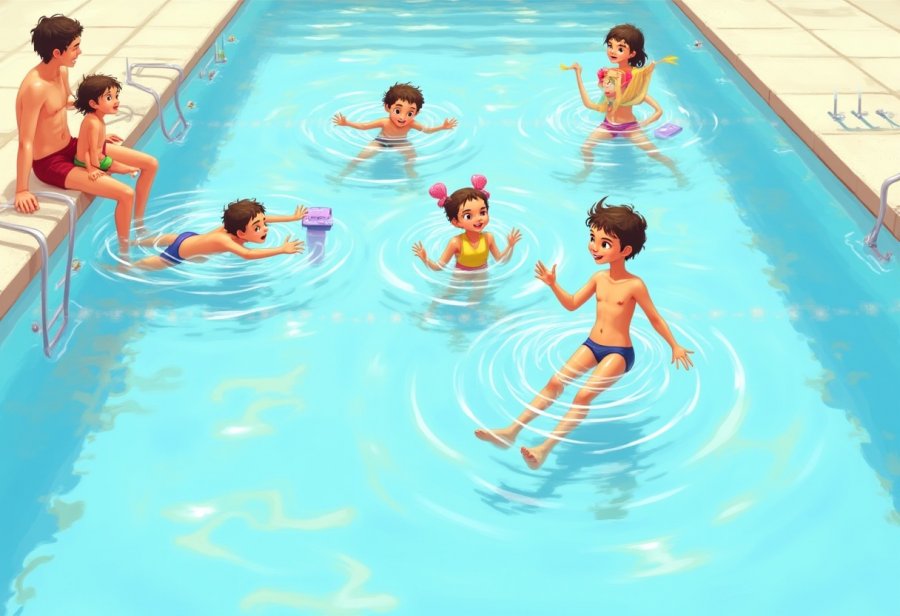
Learning to swim isn’t just a childhood milestone; it’s a skill that can enrich your life at any age. Whether you’re a young professional avoiding water-related anxiety, an adult revisiting a childhood fear, or simply someone eager to feel safer around water, taking that first step can be transformative. Swimming offers benefits that go beyond physical fitness—boosting confidence, fostering independence, and opening doors to new experiences. It’s about more than moving through water; it’s about reclaiming a sense of mastery and ease in an environment that can sometimes feel intimidating.
Many people see water as a source of fear—whether from past experiences or unfamiliarity. Overcoming that fear isn’t just about safety; it’s about rediscovering joy and confidence in your own body. Learning to swim at any age helps turn water from a potential danger into a place of relaxation and fun. It’s a journey of gradual trust, where small victories—like floating or taking a few strokes—build resilience and self-assurance.
The journey to water confidence is accessible to everyone. It begins with simple, manageable steps—getting comfortable in the water, practicing breathing, and floating—each designed to reduce anxiety and foster a sense of safety. These foundational skills create a solid base for more advanced techniques, but the focus remains on feeling relaxed and in control. Progress may be slow at times, yet each small achievement deepens your trust and encourages further growth.
Building water confidence isn’t about perfect strokes from the start; it’s about patience and persistence. Supportive instruction and positive reinforcement help create a calm, encouraging environment where mistakes are part of learning. This approach turns water from a source of fear into a space of opportunity, allowing learners to develop skills at their own pace and with confidence.
The benefits extend far beyond safety. Gaining water skills can lead to a more active, adventurous lifestyle—enabling trips to the beach, pool parties, or water sports with ease. It’s about feeling empowered to enjoy water-related activities without hesitation. And the best part? It’s never too late to start. Every effort, no matter how small, adds up to a lifelong relationship with water that is safe, joyful, and freeing.
In the end, learning to swim is about transforming how you see yourself and your abilities. It’s a journey that fosters resilience, independence, and a sense of achievement. Whether your goal is safety, recreation, or simply overcoming a fear, the first step into the water can open up a world of possibilities—one that lasts a lifetime.
Building Trust in Water: The Fundamental Principles of Learning to Swim
Learning to swim is rooted in simple, fundamental principles that create a safe and effective learning process. Starting in controlled environments, like supervised pools, helps reduce risks and builds confidence. These initial steps focus on gentle exposure—getting comfortable in the water, feeling safe, and gradually mastering basic skills like floating, blowing bubbles, and breath control. Such foundational exercises are critical because they help diminish panic and foster relaxation, making water feel less threatening.
Breaking down swimming into manageable components allows learners to progress at their own pace. Once floating and breathing are secure, they can move on to kicking, gliding, and basic strokes. This step-by-step approach prevents overwhelm and maintains motivation, especially for those feeling hesitant or anxious. Celebrating small victories, like floating confidently or taking a few strokes, reinforces progress and builds trust in one’s abilities.
Personalized instruction plays a key role in this process. Every individual learns differently, so effective teachers adapt their methods to suit each learner’s comfort level and style. Patience, encouragement, and positive reinforcement create a supportive environment where mistakes are seen as part of growth. This approach helps foster trust and transforms water from a source of fear into a space of safety and opportunity.
Historically, the roots of effective swimming instruction trace back to ancient civilizations that emphasized gradual skill-building and safety. From Egypt to Greece, the focus was always on trust, comfort, and mastery through small, consistent steps. Modern techniques continue to reflect these principles, blending tradition with innovation—using technology, visual aids, and tailored teaching methods to enhance learning outcomes. Recognizing these historical foundations reminds us that patience and steady progress remain central to building water confidence.
Cultural attitudes toward water also influence how water confidence is developed today. In some societies, early swimming lessons are widespread, with water safety ingrained in community culture. In others, water may still carry suspicion or fear, making it harder for individuals to start. Understanding these differences helps educators adapt their approaches, ensuring programs are culturally sensitive and accessible, especially for those with limited exposure or confidence.
Everyone learns at their own pace, and acknowledging this makes a significant difference. Some pick up skills quickly, while others require more time to feel comfortable. Creating a calm, encouraging environment where progress is celebrated helps prevent frustration and promotes persistence. When learners see their own growth—whether floating without fear or completing a short swim—they’re more motivated to continue.
Ultimately, the key to successful water learning lies in patience, trust, and personalized guidance. This foundation makes water a safe, enjoyable space rather than a source of anxiety. By focusing on small, achievable steps, learners develop not just skills but resilience and confidence that last a lifetime. These principles form the backbone of effective swimming education, ensuring that everyone can enjoy the water safely and with joy.
Evolving Water Education: Modern Trends and Technologies in Swim Learning
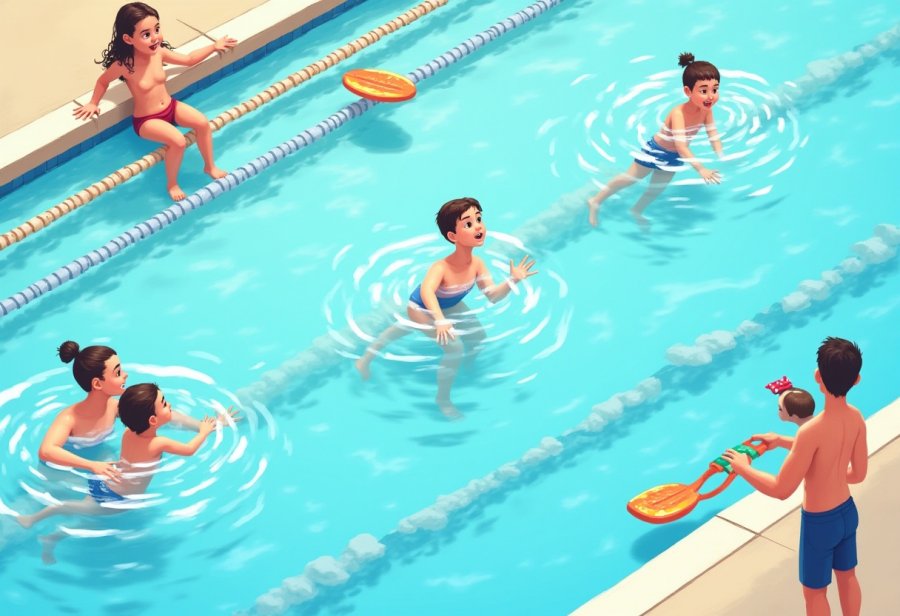
Today, learning to swim is more accessible and varied than ever before. While traditional lessons in community pools continue to form the backbone of water education, new approaches and technologies are expanding how people gain confidence in the water. Online tutorials, mobile apps, and virtual coaching now offer flexible options, making it easier for busy adults or those with limited access to pools to practice and improve their skills outside formal classes.
Innovative teaching methods are transforming the learning experience. Gamified lessons, immersive virtual reality simulations, and water-based apps turn acquiring water skills into engaging, playful activities. These tools help reduce anxiety for hesitant learners, fostering a sense of fun and curiosity about water while breaking down fears. This shift toward interactive, technology-driven approaches encourages more people to start their water confidence journey with a positive mindset.
Facilities themselves are evolving to better serve diverse needs. Many now adopt hybrid models that combine in-person instruction with digital support, providing ongoing feedback and encouragement. Shallow pools, adaptive equipment, and specialized programs cater to different comfort levels, ages, and abilities. This variety helps learners progress at their own pace, preventing overwhelm and making water confidence achievable even for those with initial fears.
Technology continues to enhance instruction through underwater video analysis and real-time feedback. Apps that track milestones and progress keep learners motivated by visually demonstrating their improvements. These innovations allow instructors to tailor programs specifically to each individual, addressing specific anxieties or skill gaps. As a result, water confidence programs become more effective, inclusive, and accessible, reaching a broader audience than ever before.
Despite these advancements, traditional face-to-face lessons remain vital, especially for beginners. Direct supervision provides immediate reassurance, helping to build trust and address fears in real time. Combining in-person guidance with digital tools creates a blended learning environment that offers continuous practice and support outside the pool. This integrated approach reflects a broader trend toward personalized, flexible education that adapts to different lifestyles and backgrounds.
Cultural attitudes toward water shape how confidence is developed today. In regions where swimming is a lifelong skill taught early and widely, water safety is part of community norms. Conversely, in areas where water is viewed with suspicion or fear, programs must be sensitive to cultural perceptions and tailored accordingly. Recognizing these differences helps educators design inclusive, respectful initiatives that encourage participation across diverse groups.
Looking ahead, emerging technologies like virtual and augmented reality promise to further revolutionize water learning. These immersive tools can make water confidence building even more accessible and engaging, breaking down barriers for those hesitant to dive in. As awareness around water safety grows, more initiatives will focus on making water confidence universal, ensuring everyone has the opportunity to enjoy water safely and confidently.
Practical Strategies to Overcome Fear and Master Water Confidence
Building water confidence hinges on practical tools and techniques that help learners gradually overcome fears and develop essential skills. Starting with small, manageable steps makes the process feel less daunting. Simple exercises like controlled breathing, floating, and gentle splashes can help ease anxiety and make water feel more familiar. As comfort grows, learners can progress to kicking, gliding, and basic strokes—always at a pace that feels right. Repetition in a calm environment reinforces muscle memory and builds trust, transforming nervousness into confidence.
Creating a positive, encouraging atmosphere is key. Instructors should focus on gentle praise and celebrate every small success, from floating steadily to taking a few confident strokes. Visualization techniques, such as imagining successful movements or feeling relaxed in the water, can boost confidence even before stepping in. Approaching practice with a calm mindset makes anxiety easier to manage and turns each session into an opportunity for growth rather than a challenge. Keeping learning playful with activities like blowing bubbles or splashing slowly maintains engagement and reduces pressure.
Setting clear, achievable goals helps maintain motivation. Instead of aiming for perfection, focus on mastering basic skills—like floating without fear or completing a handful of strokes confidently. Recognizing these milestones reinforces progress and builds momentum. Tracking small wins, whether through a journal or simple checklists, reminds learners how far they’ve come and encourages continued effort. Patience and consistent support ensure that setbacks are viewed as part of the learning process, not failures, fostering resilience and persistence.
Emotional support plays a pivotal role. A non-judgmental environment where mistakes are seen as natural steps in learning helps learners feel safe. Combining gentle correction with reassurance encourages risk-taking and persistence. Techniques such as deep breathing or visualization help relax nerves and promote a sense of control. When learners feel emotionally secure, they’re more willing to try new skills and push through initial fears, gradually developing a genuine connection with the water.
Finally, celebrating progress keeps motivation high. Recognizing even the smallest achievements, like floating confidently or completing a short swim, reinforces a sense of accomplishment. This ongoing encouragement transforms water confidence from a distant goal into a tangible reality. With patience, practice, and support, anyone can develop the skills and mindset needed to enjoy water safely. These techniques not only help conquer fears but also lay the groundwork for a lifelong love of swimming and water-based activities.
Your Water Confidence Journey Starts Today: Embrace Growth and Transformation
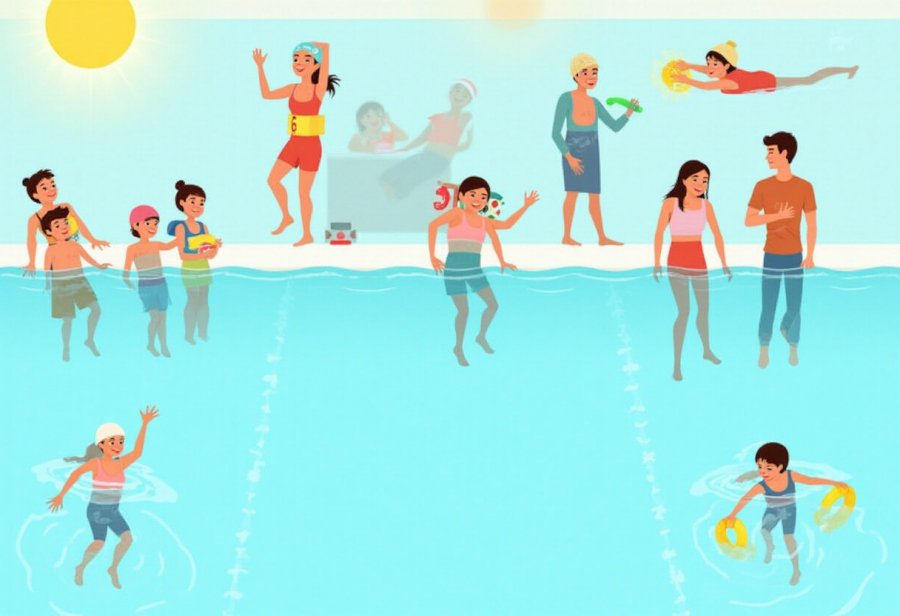
Learning to swim and overcoming water fears is a journey that can bring lifelong benefits at any age. The key is to remember that it’s never too late to start. Every small step toward water confidence builds your trust and sense of safety, making water a place of relaxation rather than anxiety. Progress may be slow at times, but each achievement—whether floating without fear or taking a few confident strokes—adds up and brings you closer to feeling comfortable in the water.
Focusing on small victories transforms the process into a series of empowering moments. Celebrate every success, like mastering a breathing technique or floating steadily. These milestones serve as proof of progress and help maintain motivation, even during challenging times. Remember, setbacks are part of learning. Instead of viewing them as failures, see them as opportunities to understand your resilience and keep moving forward.
Today’s resources make this journey more accessible than ever. Online tutorials, community classes, and supportive apps allow you to practice at your own pace and fit water confidence into your busy schedule. These tools complement traditional lessons, providing ongoing encouragement and helping you stay motivated. Combining personal effort with accessible support creates a strong foundation for transforming fear into freedom in the water.
Approaching water confidence with patience and kindness makes all the difference. It’s natural to feel nervous initially, but each small effort counts. Trust in your ability to grow, and remember that with time, practice, and a positive mindset, fears will fade and water will become a source of joy and relaxation. Changing your perspective from viewing water as a threat to seeing it as a space of opportunity can turn swimming into a lifelong source of confidence and adventure.
Your water confidence journey is more than just a skill—it’s an ongoing adventure. Every step you take opens new possibilities, from enjoying a day at the beach to feeling safe in unexpected water situations. These achievements extend beyond physical safety; they foster independence and a renewed appreciation for water’s calming presence. With each new experience, you reinforce your resilience and sense of control.
Start today. The first leap might be the hardest, but it’s also the most rewarding. Trust that every effort you make adds to your confidence. With patience and persistence, you’ll find that fears transform into love for swimming and water activities. The water’s waiting—take that first step and see how far it can take you. Your journey to water confidence could be one of the most empowering experiences of your life.