Transforming a Toronto yard into a stunning outdoor retreat involves more than just planting; it’s about crafting a harmonious blend of aesthetics, functionality, and sustainability. How can homeowners balance beauty with environmental responsibility while ensuring long-term satisfaction? This guide explores the core principles of landscape design—harmony, balance, focal points, and zoning—tailored to Toronto’s unique climate and seasonal shifts. It emphasizes thoughtful planning, precise installation, and ongoing maintenance to create resilient, vibrant outdoor spaces that reflect personal style and boost property value. Looking ahead, emerging trends like smart technology, eco-friendly materials, and multifunctional zones promise to elevate outdoor living further. As designers and homeowners adapt to these innovations, they are shaping outdoor environments that are not only visually captivating but also environmentally conscious and adaptable to evolving lifestyles. Ready to turn your yard into a dynamic personal sanctuary that endures through seasons and trends?
Transform Your Outdoor Space with Toronto Landscape & Design
Looking to elevate your Toronto backyard? Toronto Landscape & Design (TLD) specializes in creating stunning outdoor environments through expert services like natural stone installations, water gardens, irrigation systems, and retaining walls. Our award-winning designers take everything into consideration to craft personalized and functional landscapes that match your vision. Whether you’re dreaming of a serene water feature or durable retaining walls, TLD ensures quality craftsmanship and innovative design. For a professional backyard makeover, contact us today at 1.416.644.0499 or email [email protected] to bring your outdoor dreams to life.
Transform Your Toronto Yard into a Personal Sanctuary
Transforming a Toronto backyard into a stunning outdoor retreat is about more than just planting a few flowers or laying down some paving stones. It’s about creating a space that elevates everyday life—whether that’s unwinding after a busy day, hosting friends for a summer BBQ, or simply enjoying nature without leaving home. A thoughtfully designed yard becomes a personal sanctuary, reflecting your style while offering comfort and practicality in every corner.
Toronto’s climate, with its four distinct seasons, presents unique opportunities and challenges for outdoor design. The variability encourages creative solutions—such as selecting native plants like maples, oaks, and conifers that thrive in our conditions. These choices add vibrant visuals year-round and support local ecosystems, turning your yard into a lively, environmentally friendly space. Planning for seasonal changes ensures your outdoor escape remains inviting, no matter the time of year.
The allure of transforming outdoor spaces in Toronto goes beyond aesthetics. A well-crafted yard can boost your home’s value and curb appeal, especially in a competitive real estate market. Features like lush gardens, cozy seating areas, or outdoor kitchens create memorable backdrops for everyday life and special gatherings alike. When done right, your backyard becomes a desirable feature that impresses visitors while elevating your lifestyle.
In recent years, many homeowners have embraced eco-friendly approaches that minimize environmental impact. Native plants, permeable paving, rain gardens, and sustainable materials are now central to thoughtful landscape design. These choices help conserve water, reduce chemical use, and support local wildlife, making your yard more resilient and easier to maintain over time. Creating a sustainable outdoor space isn’t just good for the environment—it’s a smart investment in your property’s future.
Ultimately, transforming a Toronto yard into a beautiful outdoor retreat combines aesthetics with functionality. It’s about balancing visual appeal with practicality—designing zones for dining, relaxation, or play that flow seamlessly into one another. With careful planning and a focus on local conditions, your backyard can become a true extension of your home—an inviting, versatile space that enhances your life today and for years to come.
Master the Core Principles of Landscape Design
Landscape design hinges on a few core principles that transform an ordinary yard into a cohesive, inviting space. Harmony is fundamental—it ensures every element, from plants to hardscapes, works together seamlessly. When a landscape feels harmonious, it creates a visual rhythm that guides the eye naturally and makes the space more comfortable and inviting to spend time in. Achieving this balance involves carefully selecting and arranging components so they support each other, resulting in a unified look that feels intentional rather than haphazard.
Balance is equally vital, whether through symmetry or asymmetry. Symmetrical designs lend a formal, orderly feel—think matching planters or evenly spaced trees—while asymmetry introduces a relaxed, organic vibe. Both approaches help distribute visual weight evenly across the yard, preventing any one area from feeling too heavy or too sparse. When balance is achieved, the landscape flows smoothly, encouraging exploration and making the space feel natural and pleasing to the eye.
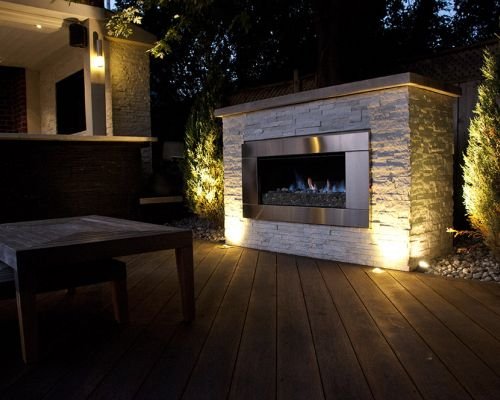
Focal points act as visual anchors, drawing attention and giving the yard purpose. These could be a striking tree, a shimmering water feature, or a sculptural element—anything that captures the eye and adds layers of interest. Strategically placing focal points helps organize the landscape, providing landmarks that guide movement through the space. They serve as memorable highlights that break up the visual field and keep the design engaging without feeling cluttered.
Creating a well-structured yard also involves zoning—dividing the space into functional areas suited to your lifestyle. Whether it’s a cozy seating nook, a dining zone, or a play area for kids, proper zoning makes your outdoor space more practical and enjoyable. Thoughtful placement of these zones ensures that each serves a clear purpose and connects naturally to the others, fostering a sense of order and flow. For example, designing a family-friendly play area near the house while reserving a tranquil garden at the back helps balance activity and relaxation.
Durability and local adaptation are key when choosing materials and plants. Incorporating native species like maples, oaks, and conifers supports Toronto’s seasonal climate and ecosystem. Layering different textures, heights, and colors adds vibrancy and depth, making the yard feel lively and resilient. Proper lighting can highlight focal points and extend usability into the evening, enhancing both aesthetic appeal and functionality. When these elements are thoughtfully combined, the landscape becomes not just beautiful but also capable of enduring Toronto’s weather swings.
Personalization is the final touch that makes a landscape truly yours. Incorporating favorite colors, meaningful plants, or unique features ensures the yard reflects your personality and tastes. Clear communication during the design process helps align your vision with practical considerations, resulting in a space that feels authentic and welcoming. When the design resonates with your identity, it’s easier to maintain and more likely to bring long-term satisfaction.
All these principles—harmony, balance, focal points, zoning, durability, and personalization—interact to craft outdoor spaces that are both stunning and functional. When applied with care, they elevate a simple backyard into a true outdoor retreat, supporting your lifestyle and environmental goals. Mastering these fundamentals sets the stage for executing a landscape that’s not only visually appealing but also enduring and adaptable to your evolving needs.
Bring Your Outdoor Vision to Life with Expert Execution
Bringing a landscape project to life begins with thorough planning. Start by evaluating your site carefully—consider soil quality, sunlight patterns, and drainage. Understanding these factors helps identify potential challenges and opportunities unique to Toronto’s climate, ensuring your design is both practical and sustainable from the outset. With this foundation, create conceptual sketches that visualize different layouts, giving you a clear roadmap to refine your ideas before moving forward.
Clear communication is essential during this phase. Collaborate closely with your landscape designer to select materials, native plants, and features that align with your vision. Sharing detailed plans and being involved in decision-making helps prevent surprises and ensures your expectations are met. When everyone is on the same page, the project progresses smoothly, building confidence and enthusiasm throughout the process.
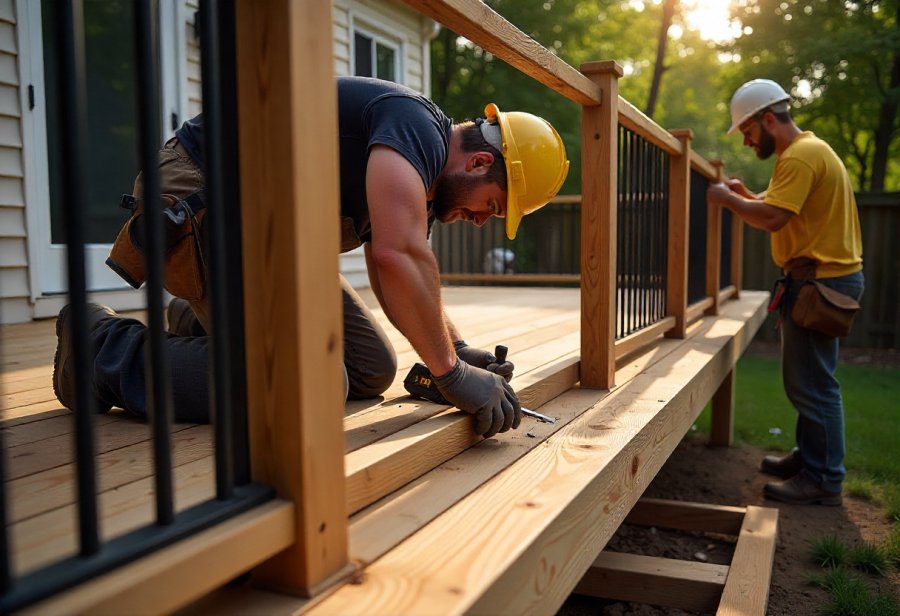
Once your design is approved, focus shifts to executing it with precision. Proper site preparation—such as grading, soil amendment, and setting hardscape foundations—lays the groundwork for durability. Skilled installation of hardscapes, like patios and pathways, combined with thoughtful plant placement, creates a cohesive look that withstands Toronto’s seasonal changes. Regular oversight during installation helps catch issues early, saving time and avoiding costly corrections later.
Involving homeowners during installation fosters transparency and trust. Regular updates and opportunities for feedback allow adjustments to be made on the spot, ensuring the finished product aligns with your vision. This collaborative approach minimizes delays and keeps your project on budget, transforming the process into an engaging partnership rather than a series of surprises.
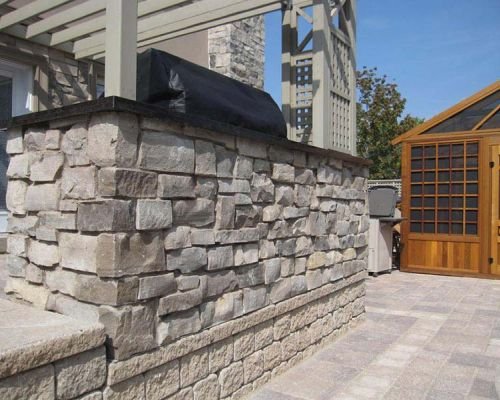
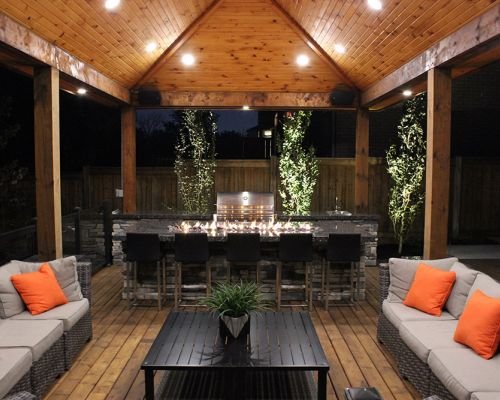
Adding finishing touches like lighting, water features, or outdoor kitchens elevates the landscape from functional to spectacular. Thoughtfully placing these elements enhances aesthetic appeal and usability, creating focal points that draw the eye and extend your outdoor enjoyment into the evening. When integrated carefully, these features turn your backyard into a personalized retreat that reflects your lifestyle and taste.
Maintenance plays a crucial role in preserving your yard’s beauty and functionality. Focus on native plants suited to Toronto’s climate, which require less water and care. Regular pruning, mulching, and seasonal cleanups keep plants healthy and vibrant. Incorporating eco-friendly practices—like rainwater harvesting or organic soil care—supports sustainability and reduces ongoing effort, ensuring your landscape remains resilient year after year.
A successful landscape project doesn’t end with installation. It’s a continuous process of care and refinement. Stay attentive to seasonal changes, and adapt your maintenance routine accordingly. As your yard matures, you can introduce new features or update existing ones, keeping the space fresh and aligned with your evolving needs. With consistent attention, your outdoor retreat will thrive and continue to impress.
By approaching each step with focus and collaboration, you turn a detailed plan into a stunning reality. This seamless process transforms initial ideas into a durable, beautiful outdoor space that genuinely feels like an extension of your home. When care and craftsmanship come together, your yard becomes a personal sanctuary—one that offers enjoyment and value for years to come.
Embrace the Future of Outdoor Living in Toronto
Looking ahead, outdoor living in Toronto is set to evolve significantly, driven by innovative technologies and a stronger focus on sustainability. Smart landscape solutions are becoming more accessible, allowing homeowners to automate lighting, irrigation, and climate-responsive features. These advancements not only simplify maintenance but also help create energy-efficient outdoor environments, giving residents more time to relax and enjoy their yards rather than manage them.
Eco-conscious materials and design strategies will continue to shape trends in outdoor spaces. Recycled pavers, permeable paving, sustainably sourced wood, and other environmentally friendly options are gaining popularity—not just for their style but for their practicality. These materials support local ecosystems, improve stormwater management, and reduce long-term upkeep. As a result, landscapes become more resilient and easier to care for, even amid Toronto’s seasonal weather swings.
Digital tools like drone mapping and 3D landscape modeling are revolutionizing planning processes. These technologies enable precise visualization of a yard long before construction begins, helping clients and designers collaborate more effectively. This reduces surprises and ensures the final result closely matches expectations, making the entire process more efficient and enjoyable.
Clients are increasingly seeking multifunctional outdoor areas that serve as extensions of their lifestyles. Whether it’s outdoor offices, wellness zones, entertainment setups, or fitness spaces, flexible design will take center stage. Creating adaptable, tech-enabled environments allows homeowners to maximize their outdoor areas while maintaining aesthetic appeal and sustainability, reflecting evolving needs and interests.
Staying current with these emerging trends requires continuous learning. Industry events, workshops, and trade shows introduce new tools, materials, and ideas, helping professionals stay ahead of the curve. Following innovative landscape architects and thought leaders helps incorporate cutting-edge solutions, ensuring Toronto’s outdoor spaces remain vibrant, functional, and eco-friendly.
Local organizations like Toronto Botanical Garden and Green Toronto play vital roles in promoting sustainable practices. Connecting with these groups provides valuable insights into native plants and environmentally friendly techniques tailored to Toronto’s climate. Such collaborations ensure outdoor spaces are not only beautiful but also resilient and in harmony with the local environment.
As technology and environmental awareness advance, outdoor spaces will become more integrated with daily life. The blend of smart features, eco-friendly materials, and personalized design will produce retreats that are as functional as they are visually stunning. These future landscapes will support urban living by offering durable, adaptable environments that reflect residents’ values and enhance their quality of life.