Are winter tires truly the game-changer they’re made out to be, or just a clever myth? As temperatures drop and icy roads become the norm, drivers are faced with a crucial question: can these specialized tires genuinely enhance safety and control? Scientific research and real-world tests reveal that winter tires, with their softer rubber compounds and deeper, siped treads, significantly reduce stopping distances and improve grip on snow and ice. But do their advantages extend beyond heavy snowfall to colder, milder winter conditions? The evidence suggests yes, making them an essential safety tool for icy driving. Proper selection, maintenance, and cautious driving are vital, yet many underestimate the power of winter tires—until they experience the difference firsthand. As technology advances and climate patterns shift, the future promises even smarter solutions. Could embracing winter tires be the safest decision you make this season? The answer might surprise you.

Discover the Critical Role of Winter Tires in Cold-Weather Safety
Winter tires often come into focus as temperatures drop and roads turn icy or snowy. Many drivers begin to wonder if they really need them, especially when conditions seem only mildly challenging. This moment is a good time to explore what makes winter tires different from all-season or summer tires, and what benefits they actually offer in terms of safety and control. Knowing their purpose helps drivers make smarter decisions about preparing their vehicles for winter.
Unlike regular tires, winter tires are specifically designed for cold-weather driving. Their rubber compounds stay softer and more pliable in low temperatures, which helps maintain grip on icy and snow-covered roads. Their tread patterns are deeper and feature more siping—tiny slits in the rubber—that bite into snow and ice. This combination of softer rubber and specialized tread design isn’t just about comfort; it directly improves handling, shortens braking distances, and increases control when roads are at their worst.
The construction of winter tires reflects decades of technological progress. Modern versions use rubber infused with silica and other additives that help keep them flexible in freezing weather. Their deeper treads and siping work together to channel water and slush away, reducing hydroplaning and making contact with the road more reliable. Controlled tests show that winter tires can significantly reduce stopping distances on snow and ice, giving drivers a crucial safety advantage when conditions deteriorate.
Many people wonder if winter tires are worth the investment, especially since some believe they’re only necessary during heavy snowfall. However, research indicates their benefits extend well beyond deep snow. They perform better on cold, dry pavement too, because their rubber remains flexible where all-season tires stiffen up. This means that even in milder winter weather, winter tires can provide better grip and safer handling, making them a smart choice for those facing consistently low temperatures and icy roads.
Understanding what winter tires do—and what they don’t—is key to safe winter driving. They’re not a magic fix, but their specialized design offers a real safety boost. When you know how they work and recognize their limits, you can better prepare for winter conditions. This awareness sets the stage for more insights into their performance and how to make the most of them on icy roads.
Unveiling the Construction and Materials That Make Winter Tires Unique
Winter tires are built specifically to handle cold and icy conditions, setting them apart from all-season or summer tires. Their construction involves a unique rubber compound that remains softer and more flexible in low temperatures, ensuring better grip on cold pavement and ice. Unlike summer tires, which harden and lose traction when temperatures drop, winter tires maintain their pliability, providing a clear advantage in icy or snowy environments.
The tread patterns on winter tires are designed with deeper grooves to effectively channel snow, slush, and water away from the tire’s surface. This design helps prevent hydroplaning and ensures consistent contact with the road even under challenging conditions. Many winter tires also feature siping—tiny slits in the tread blocks—that create additional biting edges. These edges grip ice and packed snow better, improving handling, steering response, and braking performance.
Advances in materials have further enhanced winter tire performance. Modern versions incorporate rubber infused with silica and other additives that keep the rubber soft and pliable at freezing temperatures. This flexibility allows the tire to mold to the road surface more effectively, providing superior traction where all-season tires tend to stiffen and slide. As a result, winter tires deliver reliable grip and control, even in the coldest weather.
Scientific testing supports these design choices. Controlled experiments show that winter tires can reduce braking distances by up to 50% on snow and ice compared to all-season tires. This significant difference translates directly into safer driving, especially in emergency braking situations. Drivers often notice more predictable handling and increased confidence when driving on icy roads, making winter tires a vital safety feature during cold months.
In short, winter tires are a specialized safety tool designed for low-temperature conditions. Their rubber compounds and tread structures are engineered to bite into snow and ice, providing better grip and control. Understanding these differences helps drivers appreciate why investing in quality winter tires can make a real difference in winter safety, offering peace of mind and enhanced vehicle performance when it matters most.
Scientific Insights and Practical Evidence Supporting Winter Tire Performance
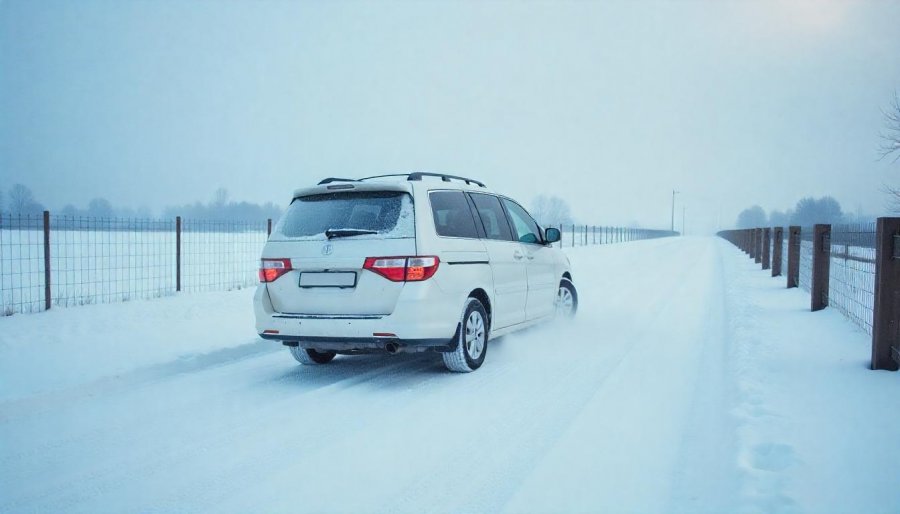
Research consistently shows that winter tires deliver tangible safety benefits, especially on icy and snow-covered roads. Controlled tests reveal that vehicles equipped with winter tires can stop up to 50% faster on snow and ice compared to those with all-season tires. These figures aren’t just statistics; they translate into real-world safety, giving drivers a crucial edge when braking suddenly or navigating tricky winter terrain.
Drivers who switch to winter tires frequently report a noticeable boost in handling and confidence. They feel better grip, more predictable steering, and shorter stopping distances on slick surfaces. This improved traction isn’t just comfort—it directly reduces the chance of skidding or losing control, which can be critical in avoiding accidents during winter conditions.
Scientific studies back these driver experiences, confirming that winter tires significantly improve vehicle control in cold weather. On icy and packed snow roads, they outperform all-season tires by providing better grip, which helps prevent slips and slides. Even in milder cold weather, winter tires maintain their advantage because their rubber remains flexible, unlike all-season tires that stiffen and lose traction when temperatures drop.
Some skeptics argue that the safety benefits are exaggerated or only matter in extreme weather. However, the data shows that on icy surfaces and packed snow, winter tires drastically reduce stopping distances and skidding incidents. Their ability to bite into icy surfaces and maintain contact with the road makes them especially effective at preventing accidents where other tires might fail.
Real-world stories underscore the scientific findings. Many drivers report that switching to winter tires helped them navigate icy streets more confidently, avoiding slides when braking or turning. These experiences highlight how winter tires translate scientific advantages into everyday safety, especially in conditions where grip is most needed.
Media reports and safety organizations reinforce these insights, often citing crashes prevented by winter tires. While some stories focus on rare extremes, the overarching message is clear: winter tires improve grip, control, and safety on icy roads. Their performance on cold, dry pavement is equally important because their flexibility and tread design help maintain traction even without snow falling.
All these insights point to one conclusion: winter tires are a proven safety tool. Scientific evidence and everyday driver feedback show they reduce stopping distances, improve handling, and offer greater control. For anyone facing winter roads, investing in quality winter tires is a smart step to stay safer when conditions are at their harshest.
Practical Guidance for Choosing, Maintaining, and Using Winter Tires Effectively
To get the most benefit from winter tires, choose a set that matches your vehicle and typical driving conditions. Look for tires with deep treads and a softer rubber compound designed to stay flexible in cold weather. If you frequently drive on icy streets or in heavy snow, investing in high-quality winter tires can significantly improve safety and handling. Selecting tires suited to your climate ensures you’re prepared for the conditions you’ll face most often.
Maintaining proper tire pressure is crucial during winter. Cold temperatures cause air to contract, which can lower pressure and reduce traction. Regularly check your tire pressure before and throughout the season, keeping it within the manufacturer’s recommended range. Properly inflated tires maintain better contact with the road, improve braking distances, and lessen the risk of slipping on icy patches.
Before winter sets in, inspect your tires for signs of damage, uneven wear, or low tread depth. Worn or cracked tires lose grip when it matters most, increasing the danger of accidents. Replacing tires with insufficient tread depth ensures optimal traction on ice and snow, giving you greater confidence on winter roads. Investing in quality tires early creates peace of mind and helps you avoid last-minute rushes or surprises.
Equipping yourself with essentials like tire chains, a flashlight, and an emergency kit equips you to handle unexpected situations. Knowing how to install chains correctly and having the right tools on hand enables quick adaptation to worsening conditions. Being prepared reduces stress and allows you to navigate snowy or icy roads more safely, turning potential hazards into manageable challenges.
Adjusting your driving habits is as important as having the right tires. Reduce your speed and increase following distances significantly. Gentle acceleration, braking, and steering help maintain control on slippery surfaces. Be especially cautious on bridges, shaded areas, and steep inclines, which tend to freeze first. Adapting your driving style to winter conditions maximizes the safety benefits of your tires and minimizes the risk of skids or loss of control.
Don’t wait until the first snow to switch to winter tires. Planning ahead ensures your vehicle is ready before conditions worsen. Installing tires early gives you time to get comfortable with their handling and to confirm everything is in order. Taking these simple steps now leads to safer, smoother drives throughout the season, so you can face winter roads with confidence and peace of mind.

Concluding Insights and Future Innovations in Winter Tire Technology
As winter approaches, it’s helpful to reflect on what we know about the role of winter tires in enhancing safety. The evidence from scientific studies and everyday driver experiences confirms that they provide real benefits, especially on icy and snow-covered roads. Many people assume that winter tires are only necessary during heavy snowfall, but research shows their advantages extend to cold, dry pavement as well. Their ability to stay flexible in freezing temperatures helps reduce stopping distances and improves vehicle control, giving drivers a crucial safety edge when conditions are at their most challenging.
Staying informed about how winter tires work and recognizing their limitations is key to making smarter choices. Installing a set and then forgetting about them isn’t enough; regular maintenance, correct inflation, and timely switching are essential to maximize their effectiveness. Paying attention to road conditions, adjusting your driving style, and exercising caution in tricky spots all work together to enhance safety. These steps aren’t just about the tires—they form part of a broader mindset focused on preparedness and responsible driving during winter.
Looking ahead, technological innovations promise to make winter tire safety even better. Advances like smarter rubber compounds, embedded sensors, and climate-adaptive designs could improve performance and ease of use across a wider range of conditions. As climate patterns shift and winter weather becomes more unpredictable, these developments aim to help drivers stay protected, regardless of how winter weather evolves. Continuous research and innovation will ensure that winter tires remain a vital safety tool for years to come.
Meanwhile, small proactive actions can make a big difference. Installing high-quality winter tires before the first snow falls, checking their condition regularly, and adjusting your driving habits can prevent last-minute surprises. Preparing in advance means you’ll start the season confident and ready, with fewer worries about unexpected conditions or equipment failures. These simple steps help ensure safer, more comfortable journeys throughout the winter months.
By combining informed choices with ongoing awareness, drivers can navigate winter roads more confidently and safely. The proven benefits of winter tires—reduced stopping distances, better grip, and enhanced control—remain vital as winter’s grip tightens. Staying adaptable and vigilant means you’re less likely to be caught off guard, and more likely to arrive safely at your destination. In the end, proper preparation and a cautious mindset are your best defenses against winter’s unpredictable challenges.