




In an era where every second counts, the question arises: is reliable communication truly the backbone of business success or merely a stepping stone to more advanced connectivity? As technology evolves from traditional landlines to sophisticated VoIP and cloud-based platforms, companies are reimagining how they connect—offering features like auto-attendants, call routing, and seamless integration across channels. These innovations foster professionalism, enhance customer relationships, and support remote collaboration, yet they also introduce new challenges in security and system management. Will future advancements in AI, 5G, and encryption redefine the landscape further? The ongoing transformation promises smarter, more resilient systems that can adapt swiftly to disruptions, but only those organizations that prioritize continuous innovation and strategic integration will thrive. Ultimately, reliable communication is not just a tool but a critical strategic asset—what will it take for your business to stay ahead in this dynamic, connected world?
Building Trust with Dependable Business Communication
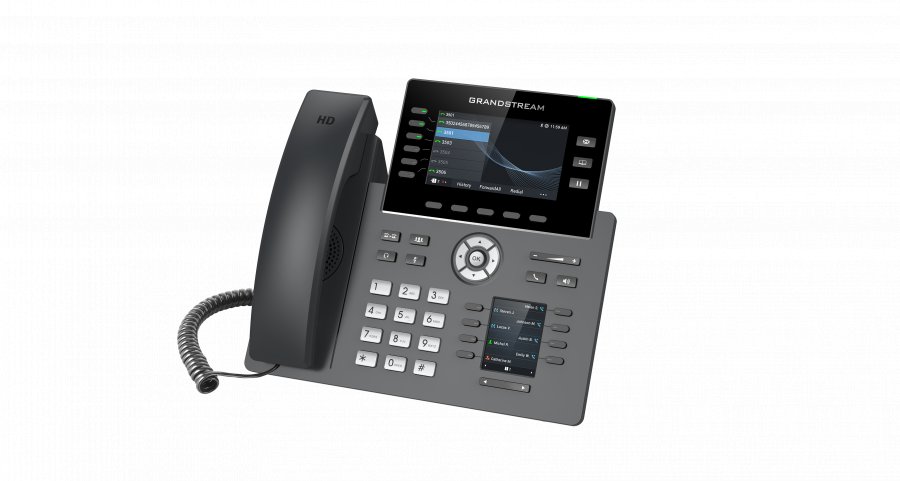
Reliable communication is the backbone of modern business success. In an era where speed and clarity can make or break relationships, having dependable channels to connect with customers, partners, and employees is essential. When communication systems falter—whether through dropped calls, delays, or misrouted messages—operations slow down, frustrations rise, and trust diminishes. Businesses that prioritize reliable systems build stronger reputations and foster smoother workflows, giving them a clear edge over competitors.
Technology has transformed how companies stay connected. From traditional landlines to advanced digital platforms, each step has aimed to improve stability and flexibility. Landlines provided reliable voice quality for decades but lacked scalability and resilience. Today, internet-based solutions like VoIP and cloud communications offer not only reliability but also a range of features that support growth and remote work. These tools ensure that communication remains seamless, even in disruptive situations.
Modern business phone services go beyond voice calls—they enhance professionalism and customer experience. Features like auto-attendants, call routing, and voicemail-to-email create polished interactions that reflect well on a company’s brand. Customers appreciate quick, clear responses, and advanced systems help deliver that consistently. For internal teams, reliable communication tools facilitate collaboration across locations and time zones, making teamwork more efficient and less prone to miscommunication.
Security is now a core consideration in maintaining dependable communication. Digital systems incorporate encryption, secure login controls, and compliance features that protect sensitive conversations and data. As cyber threats grow more sophisticated, investing in these security measures not only safeguards information but also reassures clients and partners. A secure, reliable system becomes a strategic asset that underpins trust and long-term relationships.
Cloud-based platforms have revolutionized scalability and disaster recovery. Businesses can add or remove lines effortlessly through online dashboards, adapting quickly to changing needs. During outages or emergencies, calls can be rerouted instantly to mobile devices or backup systems, minimizing downtime. This resilience ensures continuous operations, even amid disruptions, and keeps customer interactions uninterrupted.
In sum, dependable communication systems are more than just a technical necessity—they are a strategic foundation for growth. They enable organizations to respond swiftly, project professionalism, and build lasting trust. As technology continues to evolve, embracing reliable, flexible communication tools will remain vital for companies aiming to thrive in a competitive, connected world.
Traces of Innovation: The Evolution from Landlines to Digital Systems
The way businesses communicate has evolved significantly since the days of early landline phones. These wired systems provided a straightforward and reliable method for companies to connect with clients and colleagues, and they remained a staple in offices for decades. Landlines offered clear voice quality and simple operation, making them dependable tools for daily operations. However, as companies grew and technology advanced, their limitations became more apparent—high installation costs, inflexibility for expanding teams, and vulnerability to physical damage meant landlines could no longer keep pace with modern demands.
The digital revolution marked a turning point with the advent of Voice over Internet Protocol (VoIP). This technology transformed business communication by allowing voice calls to travel over the internet instead of traditional copper wires. VoIP drastically reduced costs, especially for long-distance and international calls, and introduced a host of features like call forwarding, voicemail-to-email, and conference calling. Its scalability and ease of management made it a favorite among businesses eager to modernize their communication infrastructure.
As internet infrastructure improved, cloud-based platforms gained popularity. These solutions, hosted entirely online, eliminated the need for bulky on-site hardware and allowed for quick deployment, updates, and management. Companies could easily add new users, customize features, and adapt their systems on the fly without costly hardware changes. This shift to cloud services offered greater flexibility, enabling organizations to stay agile and respond swiftly to changing business needs.
For a related discussion, review Ophie Nelson‘s article Transforming Business Success Through Modern Communication Systems on Cay Klaire.
Alongside these technological shifts, security and compliance considerations took center stage. Unlike traditional landlines, digital systems can incorporate encryption, secure login controls, and compliance tools that help protect sensitive conversations and data. As cyber threats become more sophisticated, these enhancements are essential for safeguarding confidential information and meeting industry standards, reinforcing trust with clients and partners.
Throughout this evolution, the focus has remained on creating communication systems that are both reliable and adaptable. Features like mobile integration, video conferencing, and automated call routing have become standard, supporting remote work and global collaboration. Each technological step has aimed to make communication more seamless, resilient, and scalable, reflecting the increasing demands of a connected, digital world.
Today’s landscape is defined by a move away from physical hardware toward internet-based platforms that support scalability and disaster recovery. Cloud solutions allow businesses to adjust quickly—adding or removing lines without hardware constraints—and reroute calls instantly during outages. This resilience ensures that companies can maintain continuous operations regardless of disruptions, keeping customer interactions smooth and reliable.
The progression from landlines to digital communication tools has fundamentally reshaped how companies stay connected. It’s no longer just about making calls; it’s about creating a unified, flexible, and secure environment that supports growth, innovation, and customer satisfaction. As technology continues to advance, this ongoing transformation will keep shaping the future of business communication, helping organizations connect more effectively than ever before.

Modern Trends Shaping Business Communication Today
Modern business communication tools are evolving rapidly, driven by the need for greater flexibility, integration, and efficiency. Cloud-based platforms are now the standard, allowing companies to scale their communication systems seamlessly as they grow. These platforms offer a wide range of features—such as call forwarding, auto-attendants, and detailed analytics—that enhance customer interactions and streamline internal workflows. The ability to customize communication processes in real time helps organizations stay agile and responsive to market demands.
One of the most significant shifts has been the rise of Voice over Internet Protocol (VoIP). By transforming voice calls into digital data that travels over the internet, VoIP has drastically reduced costs and increased flexibility. Unlike traditional landlines, VoIP supports remote work, mobile devices, and international connectivity without requiring physical infrastructure. This technology is especially valuable as remote and hybrid work models become more prevalent, enabling teams to stay connected from anywhere with reliable quality.
Revolutionizing Business Communication for a Digital Age presents a related discussion from Izzy Spencer on Discover Africa Hub.
Features like auto-attendants and advanced call routing have become essential in delivering a professional customer experience. Auto-attendants greet callers with customized messages and direct them efficiently, reducing wait times and projecting a polished brand image. Call routing, which uses predefined rules like caller ID or time of day, ensures inquiries reach the right person quickly. These tools automate routine tasks, minimize human error, and make customer interactions smoother, fostering trust and satisfaction.
The integration of communication channels into unified platforms is transforming team collaboration. These systems combine voice, video, messaging, and file sharing within a single interface, allowing employees to switch effortlessly between channels. This seamless integration reduces app switching and accelerates decision-making, making teams more responsive and connected regardless of location. As remote work continues to grow, unified communication platforms are becoming vital for maintaining operational cohesion.
Security remains a top priority as digital communication expands. Modern systems incorporate end-to-end encryption, secure login controls, and compliance tools that safeguard sensitive conversations and data. As cyber threats grow more sophisticated, investing in these security features helps organizations protect confidential information while maintaining trust with clients and partners. Reliable, secure systems are no longer optional—they are fundamental to modern business success.
Strategic Approaches to Implementing Reliable Communication Systems
Choosing the right communication platform is the first step toward building a reliable business system. Cloud-based solutions are often the best fit because they offer flexibility, ease of management, and quick scalability. Focus on selecting a system that aligns with your current needs—consider team size, desired features like auto-attendants or call forwarding, and your growth plans. A flexible platform will adapt as your business evolves, helping you stay ahead without costly hardware upgrades.
Security should be built into your communication strategy from the start. Modern systems come equipped with encryption, secure login controls, and permissions management to protect sensitive conversations and data. Regular updates and monitoring for vulnerabilities are essential to stay ahead of cyber threats. Training staff on best practices ensures everyone uses these tools securely, reinforcing trust with clients and partners while meeting industry compliance standards.
Effective staff training is crucial for maximizing system reliability. Ensure your team understands how to handle calls professionally, utilize advanced features, and troubleshoot minor issues. Clear protocols for greeting, message transfer, and call routing create consistency that reflects well on your brand. Providing ongoing education about new features keeps everyone informed and engaged, reducing errors and maintaining seamless communication.
Automating routine tasks like call forwarding, voicemail management, and inquiry routing minimizes delays and errors. Predefined rules ensure calls reach the right person quickly, enhancing the customer experience. Regularly reviewing call analytics helps identify potential issues early, allowing for quick adjustments. This continuous oversight keeps your communication channels stable and responsive, even as your business grows or faces unforeseen challenges.
For additional context, refer to Transforming Business Communication for a Connected Future, an article by Jens Williams on Mystic Whispers Blog.
Stay flexible by embracing emerging technologies and updates. Integrate features like AI-driven call handling, omnichannel platforms, and real-time analytics to boost reliability and service quality. Regularly review your communication strategy and gather feedback from staff and customers to refine processes. Proactively managing and updating your systems ensures they support your organization’s growth, resilience, and competitive edge in an ever-changing landscape.
Looking Forward: The Future of Business Communication Technology
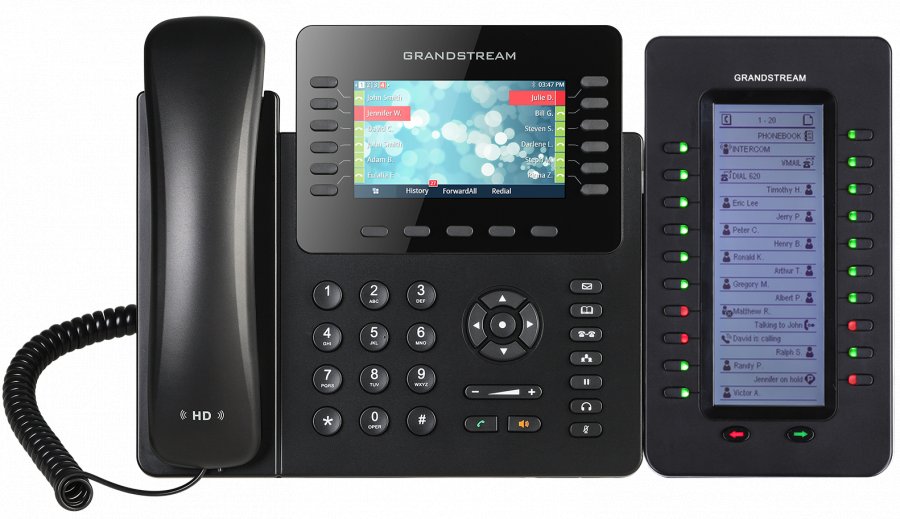
Looking ahead, the future of business communication promises to be more dynamic and integrated than ever before. Advances in artificial intelligence, machine learning, and faster internet speeds—especially with the rollout of 5G—will enable smarter, more personalized interactions. Companies will gain deeper insights into customer preferences and behaviors, allowing them to tailor services and responses with unprecedented precision. Real-time collaboration across borders will become even more seamless, giving organizations a competitive edge in a rapidly connected world.
Security and compliance will continue to be at the forefront of this evolution. Future communication systems will likely incorporate sophisticated encryption, multi-layered security protocols, and proactive threat detection. Safeguarding sensitive data won’t just be an added feature—it will be a fundamental component, vital for maintaining trust in an era where cyber threats are increasingly complex. Staying ahead of these challenges will be essential for organizations that wish to protect their reputation and meet industry standards.
The shift from traditional landlines to internet-based platforms will accelerate, bringing greater scalability and resilience. Cloud solutions will become even more adaptable, allowing businesses to respond swiftly to market shifts by scaling operations up or down without hardware constraints. During crises or system failures, calls will reroute instantly to backup systems or mobile devices, ensuring uninterrupted service and customer engagement. This resilience will become a key differentiator for organizations aiming to maintain continuity under any circumstances.
Alongside technological advancements, customer engagement will grow more sophisticated. Features like AI-powered chatbots, personalized greetings, and omnichannel platforms will create fluid, engaging interactions that foster stronger relationships and loyalty. Companies that leverage these tools effectively will turn reliable communication into a strategic advantage, standing out in crowded marketplaces and building trust through consistent, tailored experiences.
To stay competitive in this evolving landscape, organizations must view their communication infrastructure as a strategic asset—requiring continuous investment, innovation, and refinement. Regular system reviews, feedback from users, and the adoption of emerging features will ensure their communication channels remain reliable, secure, and aligned with business goals. Embracing change proactively will enable companies not just to adapt but to lead in the future of digital communication.
At its core, reliable business communication remains about connection—building trust, supporting growth, and fostering collaboration. The technological advancements on the horizon will only reinforce this foundation, making dependable, secure, and scalable systems more essential than ever. Those who prioritize these qualities now will be better positioned to navigate future challenges, seize new opportunities, and thrive in an increasingly interconnected world.