




Imagine the quiet power of your car’s battery, the unseen heartbeat that keeps your vehicle reliable and ready to start—yet how often do you truly check its health? Regularly inspecting terminals for corrosion, tightening loose connections, and monitoring voltage can be the difference between a smooth ride and unexpected breakdowns. But are these simple steps enough to prevent inconvenient emergencies? This guide reveals how quick, inexpensive checks can extend your battery’s lifespan and ensure dependable performance, even in harsh weather. With modern tools and smart technology making battery inspection easier than ever, you might wonder if neglecting these routine steps still makes sense. Building a habit of proactive maintenance isn’t just about avoiding breakdowns; it’s about preserving your confidence behind the wheel. So, what small effort could save you from major stress tomorrow? The secret lies in regular, simple checks—your best defense against unexpected roadside surprises.

Keep Your Car Alive: Essential Battery Maintenance Tips
Your car’s battery is often called its heartbeat because it quietly powers everything from your headlights to the engine’s start. When it’s working properly, you hardly notice it—you turn the key, and your car roars to life without any fuss. But when the battery starts to weaken, suddenly everything becomes more complicated. Dead or dying batteries can leave you stranded at the worst times, whether you’re rushing to work or heading out on a weekend trip. That’s why taking a few minutes to maintain your battery isn’t just a good idea—it’s essential for worry-free driving.
A healthy battery is key to keeping your vehicle dependable. Most cars rely on lead-acid batteries, which contain lead plates and sulfuric acid to generate the electrical power needed to start the engine and run your electrical systems. Newer alternatives, like AGM batteries, offer greater durability and are better suited for modern vehicles loaded with electronics. Knowing what type of battery you have can help you understand why regular maintenance makes a difference. When your battery is in good shape, your car starts smoothly, runs reliably, and you can avoid those frustrating breakdowns that seem to happen out of nowhere.
Regular battery checks act like routine health scans for your car. They’re simple steps that can prevent roadside emergencies and save you money. By inspecting the terminals for corrosion, loose connections, or leaks, you can catch early signs of trouble before they escalate. Corrosion appears as a white or bluish powder around the terminals and can block electrical flow, making it harder for your car to start or causing electrical glitches. Cleaning these build-ups with baking soda and water or a dedicated cleaner can restore a solid connection, while tightening loose terminals ensures reliable contact. These small actions are quick, inexpensive, and incredibly effective at extending your battery’s lifespan.
Beyond the terminals, it’s helpful to physically examine the battery itself. Look for cracks, leaks, or swelling, which indicate internal damage or aging. If the battery case shows any of these signs, replacing it sooner rather than later can save you from unexpected breakdowns. Measuring the voltage with a multimeter provides a clearer picture—around 12.6 volts generally means the battery is fully charged and healthy. Readings below 12.4 volts suggest the battery is losing its ability to hold a charge, signaling it might need recharging or replacing. Monitoring these indicators regularly helps you stay ahead of potential issues, especially during cold weather when starting problems are more common.
Checking your battery doesn’t require specialized skills—just a few minutes every few months can make a big difference. Ensuring the terminals are clean and tight, and measuring voltage with a simple multimeter, is enough to keep tabs on your battery’s health. These routine inspections help you identify problems early, so you can act before a minor glitch turns into a roadside emergency. When you notice signs of aging, such as slow starts or dimming lights, replacing the battery proactively keeps your vehicle running smoothly and prevents the stress and inconvenience of being stranded unexpectedly.
Incorporating these straightforward maintenance steps into your regular vehicle care routine can dramatically improve your car’s reliability. Keeping your battery in top shape is a small effort that pays off by ensuring your vehicle starts reliably every time, no matter the weather or circumstances. It’s about building confidence in your car’s performance and reducing the chances of breakdowns when you need your vehicle the most. A few simple checks—terminals, connections, voltage—are all it takes to keep your car dependable and your mind at ease during everyday drives or long trips.

Quick and Easy Battery Checks to Prevent Breakdowns
Checking your car battery is one of the simplest ways to keep your vehicle dependable, and it doesn’t require any special tools or expertise. Just a few straightforward steps can help you spot potential issues before they turn into major problems, saving you time, money, and the hassle of unexpected breakdowns. Start by inspecting the battery terminals. Look closely for any signs of corrosion, which often appears as a white, bluish, or powdery coating on the metal parts. Corrosion can interfere with electrical flow and make it harder for your engine to start, or cause flickering electrical systems. If you notice buildup, cleaning the terminals is easy—using a mixture of baking soda and water or a dedicated battery cleaner can restore good contact and improve performance.
Next, check the physical condition of the battery itself. Examine the case for cracks, leaks, or swelling, which are signs that the battery might be damaged or nearing the end of its lifespan. If you see any of these issues, it’s best to replace the battery sooner rather than later — waiting could leave you stranded. Once the visual inspection is complete, measuring the battery’s voltage provides more precise insight into its health. Using a multimeter set to DC volts, place the probes on each terminal. A healthy, fully charged battery should read around 12.6 volts when the engine is off. Readings below 12.4 volts suggest the battery is losing its ability to hold a full charge, indicating it may need recharging or replacing.
Monitoring voltage regularly helps catch early warning signs before the battery fails unexpectedly. If your readings hover around 12.4 volts or lower consistently, it’s a good idea to get a more detailed test with a portable battery tester or a visit to a mechanic. Some modern vehicles even connect with smartphone apps that provide real-time updates on your battery’s condition, making it easier to stay informed. These simple checks allow you to plan ahead, replacing or recharging the battery before it leaves you stranded, especially during cold mornings when a weak battery struggles to start.
Ensuring the terminals are both clean and tightly connected is just as important as measuring voltage. Loose or corroded terminals can cause intermittent issues that are tricky to diagnose. Tighten the clamps just enough to secure a firm connection—over-tightening can damage the terminals or battery case. Wiping away any corrosion with a brush or cloth helps maintain a good electrical connection and prevents future buildup. Making this a routine habit every few months keeps your electrical system stable and your vehicle ready to go when you turn the key.
It’s also useful to pay attention to the overall appearance of your battery. Swelling, cracks, or leaks are clear signs it’s time for a replacement. Even if it looks fine externally, consider replacing it if it’s older than three to five years, as batteries naturally degrade over time. Regular inspections combined with early replacements can prevent unexpected failures, especially in extreme weather conditions. By acting proactively, you ensure your car starts reliably and your daily routine remains uninterrupted, no matter what the weather or circumstances.
Performing these simple battery checks is quick, inexpensive, and incredibly effective. Incorporating them into your regular vehicle maintenance routine ensures your battery stays in good shape and your car remains dependable. With just a few minutes every few months, you can identify issues early and avoid the stress of being stranded unexpectedly. Proper care and routine monitoring help extend your battery’s lifespan and give you confidence in your vehicle’s reliability. When you take the time to check your battery, you’re investing in worry-free driving and peace of mind on every journey.
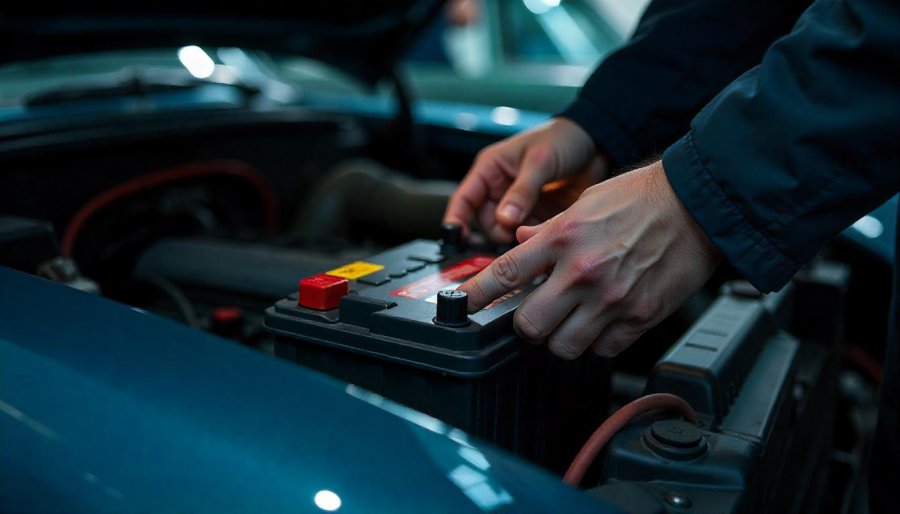
Stay Dependable: The Power of Routine Battery Maintenance
Maintaining vehicle reliability depends heavily on consistent and proactive battery checks. When your battery is in good shape, your car starts smoothly every time, and your electrical systems function without hiccups. Regular inspections—such as checking for corrosion, ensuring tight connections, and monitoring voltage—are simple steps that can prevent unexpected breakdowns and save you time and money. These small efforts catch potential problems early, so you can address them before they turn into roadside emergencies.
Staying on top of your battery’s health builds confidence in your vehicle’s everyday performance. Clean terminals and secure connections minimize electrical glitches that can leave you stranded. Regular inspections allow you to spot issues like corrosion or loose fittings that may seem minor but can cause significant problems if ignored. Acting early on these signs helps extend your battery’s lifespan and keeps your vehicle dependable through all seasons.
Advancements in technology have made checking your battery easier than ever. Using a multimeter to measure voltage provides quick insights into its condition—around 12.6 volts indicates a healthy, fully charged battery. Readings below 12.4 volts suggest the battery is losing capacity, warning you to recharge or replace it. Some modern vehicles connect with apps that monitor battery health in real time, giving you even more convenient ways to stay informed about your vehicle’s readiness.
Age is a natural factor in a battery’s reliability. Most batteries last between three and five years, depending on usage and climate. As they age, their ability to hold a charge diminishes, increasing the risk of sudden failure. Regular checks can alert you when your battery is nearing the end of its life, allowing you to replace it proactively. This approach prevents inconvenient breakdowns, especially during cold weather or busy mornings when your vehicle’s dependability is most critical.
Signs of declining battery health—such as slow engine starts, dimming headlights, or increased difficulty turning over—often develop gradually. Remaining vigilant to these symptoms helps you act before a complete failure leaves you stranded. Routine inspections and early replacements can save you the stress and inconvenience of roadside emergencies, preserving your daily routine and peace of mind.
Incorporating these simple maintenance practices into your routine vehicle care makes a noticeable difference. Checking terminals, tightening connections, and measuring voltage take only minutes but significantly boost your car’s reliability. These habits help you identify issues early, so you can address them before they escalate into bigger problems. Regular maintenance isn’t just about avoiding breakdowns; it’s about ensuring your vehicle is always ready when you need it most.
By making battery checks a regular part of your vehicle upkeep, you reinforce the overall dependability of your car. This routine helps prevent unexpected failures, especially during extreme weather or busy schedules. When you stay proactive, you reduce the likelihood of roadside emergencies and keep your vehicle performing at its best. It’s a simple investment of time that pays off in peace of mind and consistent performance.
Ultimately, consistent battery maintenance is a key pillar of vehicle reliability. It’s a straightforward, inexpensive way to extend your battery’s lifespan and safeguard your daily mobility. With just a few routine checks—visual inspections, terminal cleaning, voltage monitoring—you create a safety net that keeps your car ready to go. This proactive approach ensures you’re less likely to face inconvenient breakdowns and more likely to enjoy worry-free driving, no matter where the road takes you.