Nylon’s ubiquity in our daily lives masks a complex and troubling environmental legacy. Derived from fossil fuels, its production consumes vast energy, releases greenhouse gases, and generates hazardous byproducts, tying our convenience to ecological destruction. Once in use, nylon garments shed microplastics into waterways, threatening marine life and human health, while its durability ensures it persists in landfills for centuries, fragmenting into microplastics that infiltrate ecosystems. Can the industry transform this synthetic menace? Emerging innovations like recycled and bio-based nylons promise hope, but they are still in development. The shift toward circular fashion, stricter regulations, and advanced recycling methods could redefine nylon’s future—yet, will these measures be enough to curb its environmental toll? As our reliance on this versatile fiber continues, understanding its full lifecycle impact compels us to reconsider how we produce, consume, and ultimately, how we can forge a more sustainable path forward.

Nylon’s Ubiquity and Hidden Environmental Toll
Nylon is a material that’s hard to avoid in today’s world. Whether it’s in our clothes, carpets, or even fishing lines, nylon’s versatility and durability make it a go-to choice across countless industries. It’s lightweight yet strong, elastic yet resilient—qualities that have helped it become one of the most common synthetic fibers on the planet. Its affordability and ease of production only add to its widespread popularity, making nylon a staple in both consumer products and industrial applications.
However, beneath its practicality lies a more complex story—one with significant environmental consequences. The process of making nylon is deeply tied to the fossil fuel industry. It starts with extracting oil and natural gas, which are then refined into chemicals that serve as the building blocks for nylon fibers. This chemical journey is energy-intensive and produces hazardous byproducts, contributing to air and water pollution. The reliance on fossil fuels also means that each strand of nylon is indirectly connected to climate change, as its production releases a notable amount of greenhouse gases.
Once produced, nylon’s impact doesn’t end. During use, washing nylon garments releases tiny microplastics—microfibers—that escape filtration systems and wash into our waterways. Marine life ingests these microplastics, often mistaking them for food, which can then enter the human food chain. Discarded nylon products linger in landfills for hundreds of years, gradually breaking down into microplastics that contaminate soil and water, affecting ecosystems far from their original source. Its durability, while useful for longevity, turns into a long-lasting environmental headache once the material reaches the end of its life.
The environmental footprint of nylon is compounded by its dependency on fossil fuels. Every fiber is ultimately linked to energy extraction, refining, and combustion—activities that release significant amounts of carbon dioxide and other pollutants. Chemical runoff from manufacturing plants can also pollute nearby ecosystems, harming wildlife and communities. This interconnected chain of impacts underscores how nylon’s widespread use contributes to broader ecological issues, from habitat destruction to climate change.
Understanding these environmental implications highlights the urgent need for change. Innovations like recycled nylon, made from post-consumer plastics, are promising steps toward reducing reliance on virgin materials and cutting waste. As consumers become more conscious of their choices, demand for sustainable alternatives grows. Industry shifts toward circular fashion—emphasizing durability, repairability, and recyclability—are also gaining momentum. Moving forward, balancing nylon’s practicality with its ecological cost will be essential to building a more sustainable future.
Tracing Nylon’s Petrochemical Roots and Manufacturing Journey
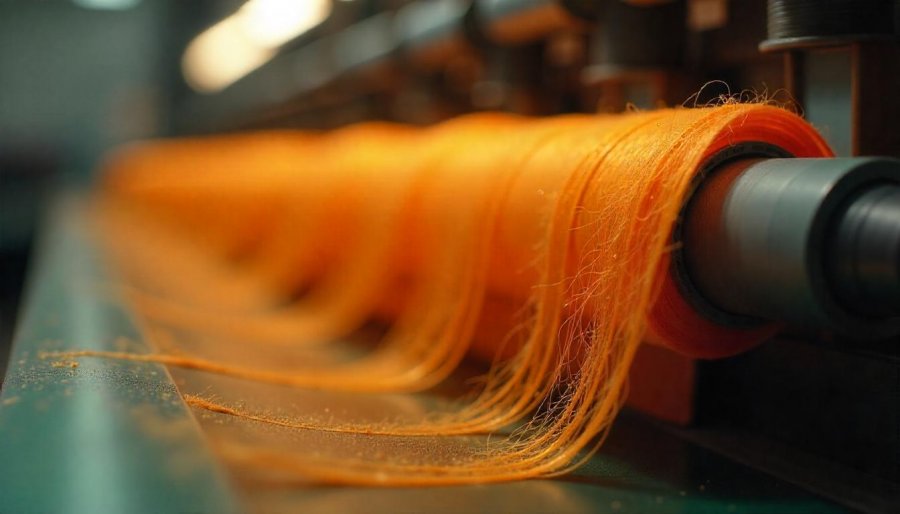
Nylon’s roots are deeply embedded in the petrochemical industry, revealing how closely our synthetic materials are tied to fossil fuels. The journey begins with the extraction of crude oil or natural gas—resources drilled from beneath the earth’s surface. These raw materials are then refined through complex processes that separate their various components, a step that consumes vast amounts of energy and generates significant emissions. This refining transforms raw hydrocarbons into basic chemicals that serve as building blocks for nylon, setting the stage for its chemical synthesis.
The core chemicals involved in making nylon are hexamethylenediamine and adipic acid. These two substances undergo a process called polymerization, where they react to form long chain-like molecules known as polymers. This chemical reaction, carefully controlled under specific temperature and pressure conditions, results in the creation of nylon’s fundamental structure. The polymers are then spun into fibers through extrusion and drawing processes, which align the molecules and give nylon its characteristic strength, elasticity, and durability.
Throughout this process, energy use remains high, primarily because the initial extraction of fossil fuels and subsequent chemical reactions both rely heavily on fossil fuels for heat and power. This dependence not only contributes to greenhouse gas emissions but also creates a direct link between nylon production and the health of the oil and gas sector. As demand for nylon increases, so does the environmental burden associated with energy extraction, refining, and manufacturing, intensifying concerns about its sustainability.
Chemical byproducts generated during nylon synthesis add another layer of environmental concern. These include volatile organic compounds and hazardous substances that can escape into the air or leach into water sources if not properly managed. Many manufacturing facilities face challenges in controlling emissions and waste, especially in regions with lax regulations. Failures or lapses in safety protocols can lead to pollution incidents that harm local ecosystems and communities, highlighting the need for stricter oversight and cleaner production practices.
The entire supply chain—from oil rigs to chemical plants—is resource-intensive, requiring substantial infrastructure, land, water, and energy inputs. This interconnected web underscores how tightly woven nylon’s creation is with finite natural resources. As production scales up to meet global demand, the environmental costs—ranging from habitat destruction to climate change—also multiply. Recognizing this link encourages us to explore alternative methods, such as bio-based fibers or improved recycling technologies, that could eventually reduce nylon’s reliance on non-renewable resources.
Understanding the petrochemical origins and manufacturing processes of nylon reveals not only the impressive engineering behind this versatile material but also the significant environmental toll it takes. Its production exemplifies how modern material needs are often met at the expense of ecological health. Moving forward, innovations in sustainable production and a shift toward circular systems will be crucial in balancing nylon’s utility with the imperative to protect our planet.
From Production to Pollution: Nylon’s Lifecycle Impact
The environmental impact of nylon extends far beyond its initial production, influencing ecosystems at every stage of its lifecycle. When nylon garments are washed, they shed tiny fibers—microplastics—that slip through water treatment systems and enter rivers, lakes, and oceans. Marine animals often mistake these microfibers for food, ingesting them and introducing plastics into the food chain. This persistent pollution not only threatens aquatic life but also poses potential risks to human health as microplastics accumulate up the chain.
The manufacturing process itself contributes significantly to environmental degradation. Factories producing nylon can emit volatile organic compounds and other hazardous chemicals into the air, affecting air quality and local communities. Chemical runoff from these facilities often seeps into nearby soil and water sources, contaminating ecosystems and harming wildlife. Without strict regulations and effective waste management, these pollutants can linger for years, causing long-term damage to surrounding habitats.
Nylon’s durability, while advantageous for product longevity, becomes a major obstacle at disposal. Its synthetic polymer structure resists biodegradation, meaning nylon waste can persist in landfills for hundreds of years. Over time, it fragments into microplastics, which disperse into soil and waterways, contaminating environments far from their original source. These tiny particles are difficult to clean up and can be ingested by wildlife, entering the food web and spreading pollution across ecosystems.
The reliance on fossil fuels for nylon production also links its lifecycle to climate change. Extracting, refining, and burning oil and natural gas release significant greenhouse gases, contributing to global warming. Chemical runoff from manufacturing plants adds another layer of environmental stress, polluting waterways and affecting aquatic life. This interconnected chain of impacts demonstrates how nylon’s widespread use amplifies ecological issues, from habitat destruction to the acceleration of climate change.
Growing awareness of these issues has spurred the development of sustainable alternatives. Recycled nylon, produced from discarded plastics like fishing gear and carpets, offers a promising way to reduce dependence on virgin materials and minimize waste. Advances in chemical recycling enable nylon waste to be processed back into raw materials, supporting a circular economy. Such innovations not only cut emissions but also help divert plastics from landfills and oceans, addressing the root causes of pollution.
Addressing nylon’s environmental footprint demands systemic change. Industry adoption of eco-friendly materials, stricter regulations on chemical emissions, and increased consumer demand for sustainable products are vital steps forward. Innovations in biodegradable fibers could further reduce long-term pollution, but they require investment and research to become viable at scale. Recognizing the full impact of nylon across its lifecycle underscores the urgent need to rethink how we produce, use, and dispose of synthetic fibers to protect our planet for future generations.
Innovations and Outlook: Towards a Sustainable Nylon Future
Recent efforts to reduce nylon’s environmental footprint are gaining traction, driven by technological advances and changing consumer expectations. Researchers are exploring bio-based fibers derived from renewable sources such as algae, fungi, or plant-based polymers. These innovative materials aim to replicate nylon’s strength and flexibility without relying on fossil fuels, offering the potential to slash greenhouse gas emissions and lessen resource depletion. While many are still in development, these alternatives could transform the industry if they can meet performance standards and be produced at scale and a competitive cost.
At the same time, recycling technologies are advancing rapidly. Chemical recycling methods are particularly promising, allowing post-consumer nylon—like discarded fishing gear, carpets, and apparel—to be broken down back into raw materials suitable for manufacturing. This process supports a circular economy, helping to keep nylon waste out of landfills and oceans while reducing the need for virgin petrochemicals. Companies adopting recycled nylon are not only lowering their carbon footprint but also taking active steps to combat plastic pollution, giving new purpose to materials that would otherwise contribute to environmental degradation.
Many brands and manufacturers are adopting circular fashion models that emphasize durability, repairability, and recyclability. Take-back programs encourage consumers to return used nylon products for recycling or refurbishment, extending their lifespan and reducing waste. These efforts depend on shifting consumer attitudes and creating infrastructure for collection and processing. When combined with eco-friendly design practices, they foster a shift away from disposable fast fashion toward more sustainable consumption patterns, where products are valued for their longevity and recyclability.
Policy frameworks and regulations are becoming increasingly influential in shaping industry practices. Stricter standards on plastic waste management, microplastic emissions, and chemical pollution are compelling companies to adopt cleaner production methods. Governments are incentivizing the use of recycled materials and supporting research into biodegradable fibers. Clearer regulations and economic incentives can accelerate the transition toward sustainable alternatives, creating a level playing field that encourages innovation and accountability across sectors.
Looking ahead, biodegradable and hybrid fibers are emerging as promising solutions to nylon’s durability challenge. Scientists are experimenting with natural polymers designed to break down more quickly after disposal, reducing long-term environmental persistence. These innovations aim to deliver performance comparable to traditional nylon while minimizing pollution. Although still in early stages, they hold the potential to fundamentally reshape synthetic fiber manufacturing, making sustainability a central feature rather than an afterthought. By embracing these cutting-edge developments, the industry can move closer to materials that serve both human needs and planetary health.
The future of nylon depends on collaboration among industry players, policymakers, researchers, and consumers. Transparency, eco-labeling, and consumer demand for sustainable products are driving companies to adopt greener practices. Investments in new technologies, combined with supportive policies and heightened public awareness, can foster a transition to more responsible production and consumption. While challenges remain, this momentum suggests that a more sustainable path is within reach—one where the convenience of synthetic fibers aligns with the urgent need to protect our environment.