In an era dominated by digital distractions, can the simple act of tending a garden together unlock genuine human connection and healing? ‘Growing Together’ explores how outdoor collaboration—planting seeds, nurturing life—offers a grounding, therapeutic refuge from modern chaos. Rooted in a rich history of communal gardening, this practice fosters trust, patience, and shared purpose, transforming routines into powerful rituals of love and resilience. Today’s trends highlight community projects, family efforts, and therapeutic programs that demonstrate gardening’s profound potential to strengthen bonds and promote emotional well-being. As technology advances, new tools and online communities promise to deepen these connections, bridging urban spaces and diverse populations. Could planting a few seeds be the most meaningful act we undertake to reconnect in an increasingly fragmented world? This compelling journey reveals that nurturing life outdoors not only cultivates plants but also cultivates hope, trust, and lasting relationships—reminding us that some of the most vital bonds grow from the soil up.
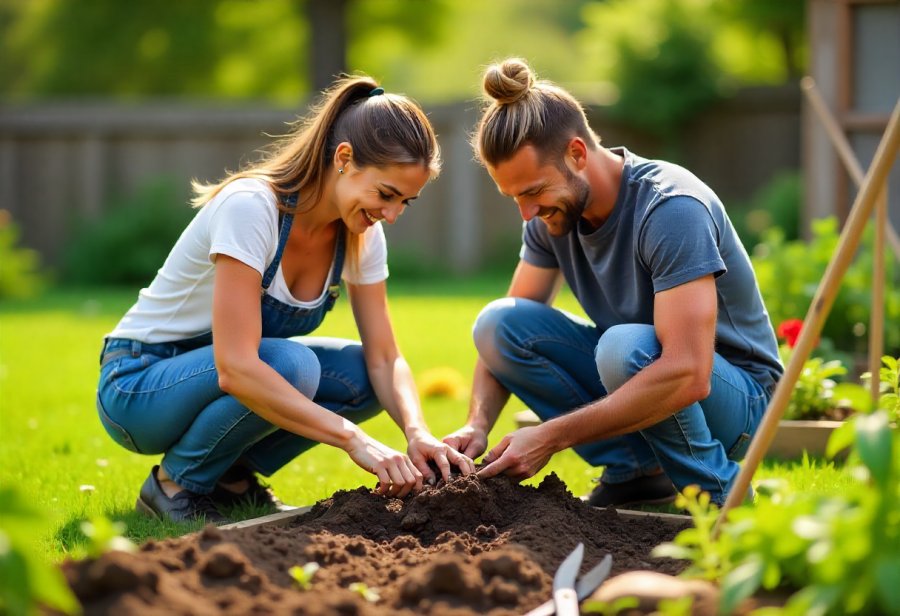
Reconnect and Heal: The Power of Gardening Together in a Digital Age
In our fast-moving, screen-focused lives, genuine human connection often feels more elusive than ever. We spend hours scrolling through social media feeds, replying to countless messages, and juggling multiple tasks, yet many of us still sense a deepening feeling of loneliness. Amid this digital chaos, the simple act of gardening together offers a calming, grounding alternative. It creates a space where patience and effort come into play naturally, fostering a sense of shared purpose that screens can’t replicate.
Working side by side in a garden encourages conversations to flow more easily and authentically. Whether planting seeds or tending to growing plants, these activities nurture teamwork and trust without the need for elaborate plans or grand gestures. The tactile nature of gardening invites mindfulness and presence, helping us reconnect not just with nature but also with each other. Watching a plant flourish or sharing the satisfaction of a harvest builds a sense of accomplishment and mutual support that strengthens bonds over time.
Gardening isn’t just a pastime; it’s a healing act rooted in physical touch and shared effort. In a world increasingly disconnected from the natural environment, it offers a gentle reminder of the power of nurturing life and nurturing relationships simultaneously. The routines of caring for plants become rituals that foster patience, compassion, and understanding—qualities essential for meaningful connection. These moments of tending together cultivate emotional closeness, providing relief from digital distractions and creating authentic experiences that deepen relationships.
In addition to strengthening bonds, gardening has therapeutic benefits that promote emotional well-being. Engaging in outdoor activities reduces stress and encourages mindfulness, making it a powerful form of self-care. When shared with others, these benefits multiply, transforming the garden into a sanctuary for open conversation, healing, and connection. It’s a quiet, consistent way to nurture not only plants but also the human spirit, proving that some of the most meaningful bonds grow from simple acts of care and patience.
As technology continues to evolve, the potential for gardening to reconnect us grows even more promising. From backyard projects to community plots, tending to plants together reminds us that, despite our digital age, some of the most profound bonds are rooted in the earth. These shared acts of care serve as a gentle yet powerful antidote to modern disconnection, offering a pathway to healing and deeper human connection in an increasingly fragmented world.
Rooted in Tradition: The Cultural and Historical Significance of Gardening as a Bonding Ritual
Gardening has a long-standing history as a communal activity that extends beyond simply growing food or flowers. Across different cultures and eras, tending to the land has served as a powerful way for people to come together, forging stronger social bonds and offering emotional comfort. Traditionally, shared gardens or communal plots provided spaces where neighbors collaborated on planting, caring, and harvesting, turning agricultural tasks into opportunities for storytelling, trust-building, and cultural exchange. These activities weren’t just about sustenance—they became vital rituals that reinforced community ties and cultural identity.
Throughout history, collective gardening efforts fostered environments rich in cooperation and mutual responsibility. During periods of hardship or social upheaval, community gardens offered stability and purpose, helping people feel connected in uncertain times. Working the land side-by-side nurtured responsibility and care, creating bonds that words alone often couldn’t establish. Many cultures also imbued gardening with spiritual significance, viewing it as a sacred act that promoted harmony with nature and with each other, strengthening social cohesion through shared reverence for the land.
The roots of garden therapy trace back to these traditions of shared care. Emerging in the mid-20th century, horticultural therapy recognized that working with plants could promote mental and emotional healing. Hospitals, clinics, and community organizations began integrating gardening into their programs, emphasizing how nurturing plants fosters resilience and emotional well-being. This shift underscored the idea that tending to plants isn’t just a practical activity but a profound way to nurture the human spirit, especially when experienced collectively.
Gardens have also carried symbolic and spiritual meanings across cultures. Zen gardens in Japan embody tranquility and mindfulness, while Persian paradise gardens symbolize renewal and harmony. Indigenous communities worldwide have used planting ceremonies and sacred spaces to strengthen bonds and facilitate emotional healing. These diverse traditions reveal a universal truth: engaging with nature through shared gardening cultivates mental clarity, emotional balance, and social trust, regardless of cultural background.
Today, these historical and cultural insights continue to shape how we view gardening as a tool for connection. Modern community gardens, school projects, and therapeutic programs echo ancient practices, demonstrating that simple acts like planting seeds or caring for plants can serve as meaningful rituals. These shared acts reinforce that tending the land is not only about growing plants but also about cultivating trust, patience, and community—values that transcend time and culture.
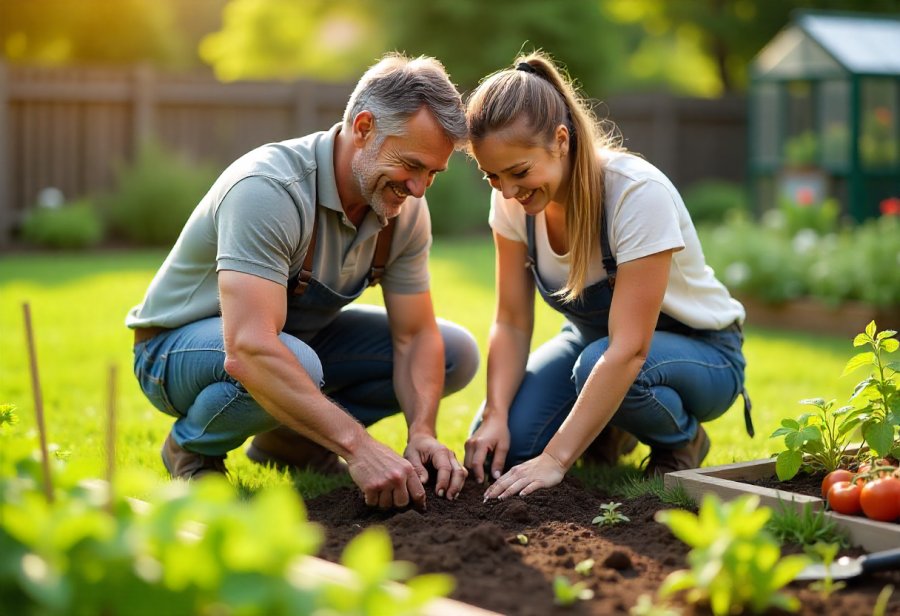
Modern Gardens, Modern Connections: How Today’s Practices Foster Relationships
Today, how people approach gardening as a way to build relationships reflects a blend of tradition and innovation. Many still find value in community gardens or family projects, where shared effort naturally sparks conversations, trust, and camaraderie. These spaces often become social hubs, transforming from mere growing areas into vibrant centers of interaction, storytelling, and mutual support.
On a smaller scale, planting flowers or vegetables with loved ones offers simple yet meaningful opportunities to connect. Even in limited space, activities like potting herbs or tending a small vegetable patch encourage patience and cooperation, fostering a sense of shared purpose. These routines become a foundation for deeper bonds, built through everyday acts of care and teamwork.
In recent years, programs that incorporate outdoor gardening have gained popularity, especially in settings like schools, clinics, and senior centers. Combining gardening with mindfulness exercises or collaborative tasks, these initiatives aim to promote emotional well-being and social connection. Despite our busy, distracted lives, many still feel the pull of nature’s calming influence, seeking out outdoor experiences that facilitate genuine relationships.
Community gardens exemplify these trends. Neighbors working side-by-side often exchange tips, share produce, or simply enjoy each other’s company. Over time, these interactions grow into friendships rooted in trust and shared effort. Family gardening projects also create regular routines—watering, weeding, harvesting—that encourage open dialogue and mutual responsibility, strengthening bonds that extend beyond the garden plot.
Therapeutic gardening programs further emphasize the emotional benefits of outdoor collaboration. For individuals facing mental health challenges or social isolation, working together in nature provides a safe space for healing and connection. Activities like group planting or nature walks foster resilience, empathy, and understanding, demonstrating how tending plants can nurture both the mind and relationships.
Despite these positive trends, challenges remain. Urbanization limits access to green spaces for many, and busy schedules often leave little room for outdoor bonding. Digital distractions pull focus away from nature and face-to-face interaction, making it harder to prioritize outdoor activities. Nonetheless, growing awareness of gardening’s benefits inspires creative solutions—such as community-led initiatives or virtual gardening groups—that keep the focus on connecting through shared effort.
Overall, the current landscape shows that gardening continues to serve as a powerful tool for relationship-building. Whether through small daily routines or larger community projects, tending to plants together encourages patience, cooperation, and emotional closeness. In a world increasingly driven by screens, these outdoor acts remind us of the simple yet profound capacity of nature to foster genuine human connection.
Cultivating Closeness: Practical Ways to Grow Relationships Through Gardening
Gardening doesn’t require grand gestures to create meaningful moments of connection. Even small, everyday activities can serve as powerful opportunities to build trust and deepen relationships. Sharing the task of watering plants each morning, for example, can become a calming routine that sparks conversations and fosters teamwork. Turning routine chores into shared rituals helps everyone feel involved and purposeful, laying a foundation for stronger bonds over time.
Starting with simple projects like planting herbs or flowers on a windowsill is accessible and rewarding. These low-maintenance tasks require minimal effort but encourage patience and attentiveness—qualities that naturally nurture a gentle, ongoing connection. Watching tiny seedlings grow into vibrant plants can remind everyone involved of the tangible rewards of care and perseverance.
Tending a vegetable garden, no matter its size, provides ongoing opportunities for collaboration. Deciding what to grow, planting, watering, and harvesting all involve shared effort. These tasks promote communication and patience, gradually strengthening bonds through consistent teamwork. Plus, harvesting fresh produce together offers a sense of achievement and pride, reinforcing positive feelings and cooperation.
Community gardens exemplify how small acts of shared effort can lead to lasting relationships. Neighbors exchanging gardening tips or harvesting produce together often find themselves sharing recipes, stories, and support. Over time, these exchanges develop into genuine friendships rooted in a common purpose. Family gardening projects, on the other hand, establish routines—watering, weeding, harvesting—that foster open dialogue and mutual responsibility, creating a shared experience that nurtures deeper connections.
Gardening also offers special benefits for those facing emotional challenges or grief. Creating a small, dedicated space can become a daily ritual that provides comfort and a sense of stability. Watching growth and caring for living things together can open pathways for honest conversations and emotional healing. In this way, tending a garden becomes more than a task; it’s a gentle act of mutual support and resilience.
Getting started doesn’t demand extensive resources or space. Choosing simple plants like herbs, lettuce, or bright flowers keeps things manageable and enjoyable. Basic tools such as lightweight trowels and watering cans make gardening accessible, even for beginners. Whether on a balcony, porch, or small backyard, these small projects can quickly turn into meaningful routines that add a layer of connection to everyday life.
Celebrating small milestones, like the first sprout or ripe tomato, helps maintain motivation and joy. Acknowledging these moments reinforces a sense of shared achievement and encourages continued effort. Over time, these small successes weave into a steady rhythm of collaboration, transforming gardening from a simple hobby into a meaningful way to nurture relationships.
The key to success lies in consistency. Spending even a few minutes together regularly in the garden creates a steady rhythm of interaction that deepens bonds. Over time, these routines become a foundation for lasting connection, proving that shared effort and care can turn gardening into a powerful tool for emotional growth. In these quiet, ongoing acts, relationships flourish, rooted in patience, attentiveness, and mutual support.
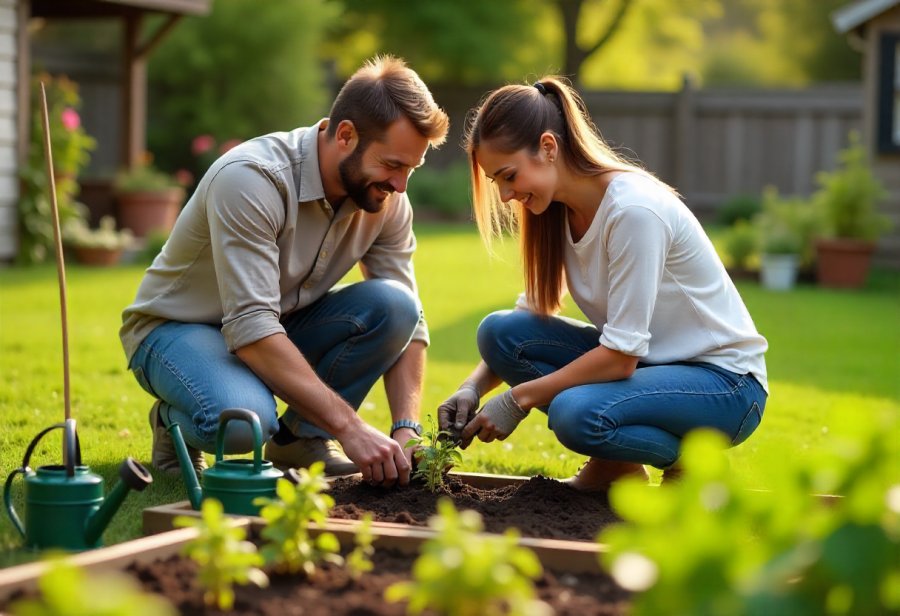
Planting the Future: The Promising Role of Gardening in Reconnecting in a Digital World
Looking ahead, the future of gardening as a way to reconnect in our increasingly digital world is full of promise. Advances in technology are making outdoor gardening more accessible and engaging than ever before. Imagine smartphone apps that help you plan your garden, provide real-time care tips, or connect you with local gardening communities. Augmented reality and virtual reality are beginning to offer immersive experiences, teaching planting techniques or simulating community garden projects from afar. These innovations can bridge the gap for urban dwellers or those with limited outdoor space, transforming how we nurture relationships through shared effort.
At the same time, awareness around mental health and emotional well-being continues to grow, fueling a rise in outdoor and therapeutic gardening initiatives. Schools, hospitals, and community centers are increasingly integrating gardening into their programs, recognizing its power to foster resilience, empathy, and social bonds. These efforts are becoming more inclusive, reaching diverse populations and emphasizing that tending plants can be a universal tool for healing and connection. The fusion of eco-therapy and nature-based wellness practices signals a future where outdoor activities are tailored to support emotional recovery and community building in innovative ways.
Urban environments are set to see a surge in green projects that blend technology with nature. Rooftop farms, vertical gardens, and shared green hubs will transform cityscapes into vibrant, collaborative spaces. These areas won’t just produce food or enhance aesthetic appeal—they’ll serve as communal gathering spots that encourage social interaction and collective care. As cities prioritize green infrastructure, residents will find more opportunities to work outdoors together, fostering a sense of belonging in places where connection can often feel scarce.
Digital communities will continue to expand, connecting people across borders through online platforms that share gardening stories, advice, and project ideas. Virtual garden clubs, social media groups, and online workshops will help spread knowledge and foster belonging, even when face-to-face meetings aren’t possible. These digital spaces can inspire real-world collaborations, reinforcing that the love of gardening transcends geographical and cultural boundaries. Such connectivity will make it easier for more people to participate, learn, and support each other in their shared passion.
Personalized gardening experiences driven by data and smart technology will likely shape the future as well. Sensors and AI tools could help users understand their plants’ needs more precisely, making gardening more successful and less frustrating. These innovations will encourage sustained outdoor activity by making gardening more accessible and rewarding. Families and individuals will be inspired to spend regular quality time outside, nurturing bonds through shared projects that promote emotional resilience and collective growth.
In the end, the trajectory suggests gardening will remain a vital tool for reconnecting in a world that often pulls us apart. Whether through cutting-edge technology, community initiatives, or simple routines, tending a garden together offers a timeless way to slow down, care for others, and find deeper meaning. As society seeks balance amid rapid change, cultivating shared spaces and planting seeds of connection might prove to be one of our most powerful paths toward healing and human connection.