




Underground street racing isn’t just about adrenaline and speed; it’s a culture rooted in loyalty, trust, and unbreakable brotherhood. Hidden in alleyways and abandoned zones, these clandestine races forge bonds that go far beyond competition, transforming racers into a tight-knit family united by shared risks and mutual respect. From custom car modifications to late-night meetups, every act reinforces their collective identity and resilience. But what truly fuels this scene isn’t just the thrill of victory—it’s the enduring relationships built through secrecy, support, and facing danger together. How does a culture so rooted in rebellion and rebellion foster such deep, genuine bonds? This phenomenon highlights that, in the shadows of the city, speed may be fleeting, but loyalty and community endure—proving that sometimes, the strongest connections are born in the chaos of the race.
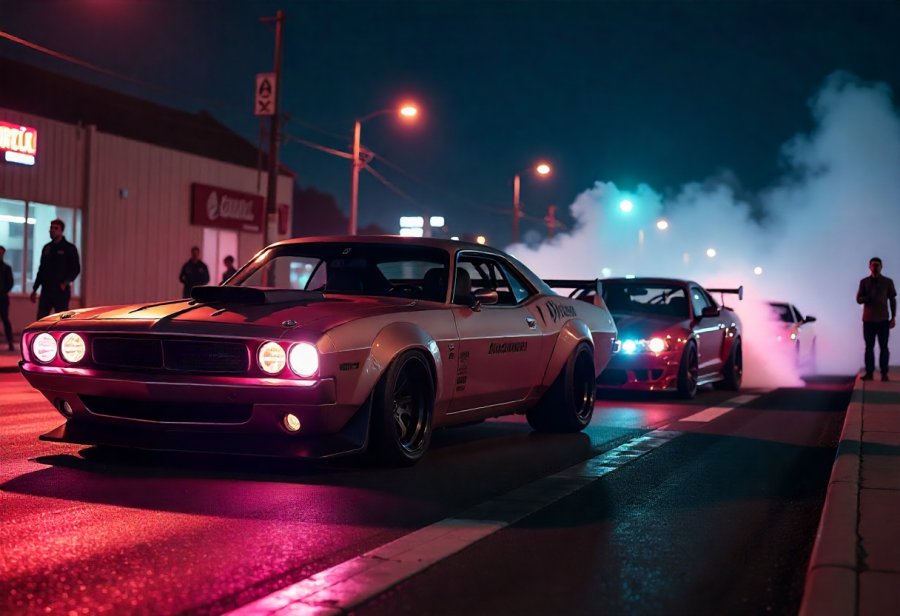
Underground Racing: More Than Speed—A Brotherhood in the Shadows
Underground street racing isn’t just a test of speed; it’s a culture rooted in connection, loyalty, and shared passion. These races unfold in hidden corners of cities—alleyways, abandoned parking lots, and industrial zones—where the glow of neon lights and the thunder of engines create an electrifying atmosphere. For those involved, it’s more than just a adrenaline rush; it’s a way of life that forges deep, lasting bonds among racers. The relationships built here often go beyond competition, transforming into lifelong friendships grounded in trust and mutual support.
Nighttime turns city streets into secret venues, where flickering street lamps and the scent of burnt rubber set the stage for high-stakes racing. This environment fosters a sense of rebellion and freedom, where racers support each other through setbacks and dangers. It’s a scene charged with energy, driven by unspoken codes that emphasize respect, loyalty, and secrecy. The shared experience of pushing limits creates a feeling of family—one built in the shadows, yet stronger than many traditional bonds.
What makes underground racing truly powerful isn’t just the thrill of speed; it’s the community that forms around it. Racers share more than a love of cars—they develop trust and camaraderie through late-night sessions, secret meetups, and collective efforts to stay safe. These relationships often evolve into lifelong connections, with crews functioning as families that support each other through mechanical failures, police chases, and personal struggles. Loyalty and shared risks deepen these bonds, making the scene more than just a pastime—it’s a brotherhood rooted in resilience.
Car modifications play a big role in this culture. Custom paint jobs, engine upgrades, and decals aren’t just about performance—they’re symbols of pride and belonging. Working on these vehicles together strengthens bonds, turning cars into moving emblems of loyalty. The act of building and maintaining these machines becomes a shared ritual, reinforcing the unspoken rules and collective identity that hold the community together.
The essence of underground racing lies in its ability to create a sense of belonging that transcends the track. It’s a space where trust is earned through shared risks and late-night camaraderie. These relationships often last a lifetime, built on experiences that combine adrenaline with genuine human connection. It’s a culture that celebrates resilience, respect, and brotherhood, making it far more than just a pursuit of speed.
In a world where conformity often dominates, underground street racing offers an alternative space for self-expression and community. It’s about carving out a personal identity amid the chaos, finding kinship in the shadows of the city. The bonds formed here are unbreakable, woven through countless races, secrets, and shared victories. For many, this scene isn’t just about cars—it’s about belonging, loyalty, and the unshakable sense that they are part of something bigger than themselves.
From Post-War Rebellion to Urban Identity: The Origins of Street Racing
Street racing’s roots trace back to the post-World War II era, when young car enthusiasts began customizing their rides beyond everyday use. What started as a way to stand out—adding flashy paint, turbocharged engines, and lowered suspensions—soon evolved into a form of personal expression and rebellion. Early races often took place in empty lots or quiet backstreets, where speed and defiance drew small groups eager to challenge each other away from the watchful eyes of authorities.
As car culture gained momentum, so did the appeal of street racing. Neighborhood crews formed around shared styles, tactics, and a sense of loyalty. Racing wasn’t solely about winning; it became a way for young people to belong, pass down tricks, and build reputations. Over time, these gatherings shifted from spontaneous encounters to organized clandestine events held in abandoned parking lots and industrial zones, far from city surveillance. This transformation turned street racing into a symbol of urban defiance and creative resourcefulness.
Decades of evolution have cemented underground racing’s role in urban youth identity. Night races, once impulsive, became regular scenes of trust and camaraderie. Racers depended heavily on each other for support—navigating police crackdowns, mechanical breakdowns, and personal setbacks—creating bonds rooted in loyalty and shared risk. These relationships extended beyond the streets, with crews becoming like families, celebrating victories and helping each other recover from setbacks.
At its core, the culture’s strength lies in more than just the cars and speed—it’s in the community built around them. Custom modifications, from engine upgrades to unique paint jobs, serve as symbols of pride and belonging. Working on these vehicles together deepens connections, turning cars into moving emblems of loyalty. The act of building and maintaining them becomes a shared ritual, reinforcing the collective identity and unspoken codes that keep the scene cohesive.
This ongoing evolution reflects a broader movement rooted in rebellion, creativity, and resilience. The scene continues to thrive in urban landscapes worldwide, driven by a desire for freedom, self-expression, and community. For many, street racing is more than a pastime; it’s a space where relationships are forged through adrenaline, trust, and shared purpose, standing as a testament to the enduring power of youth-driven rebellion.
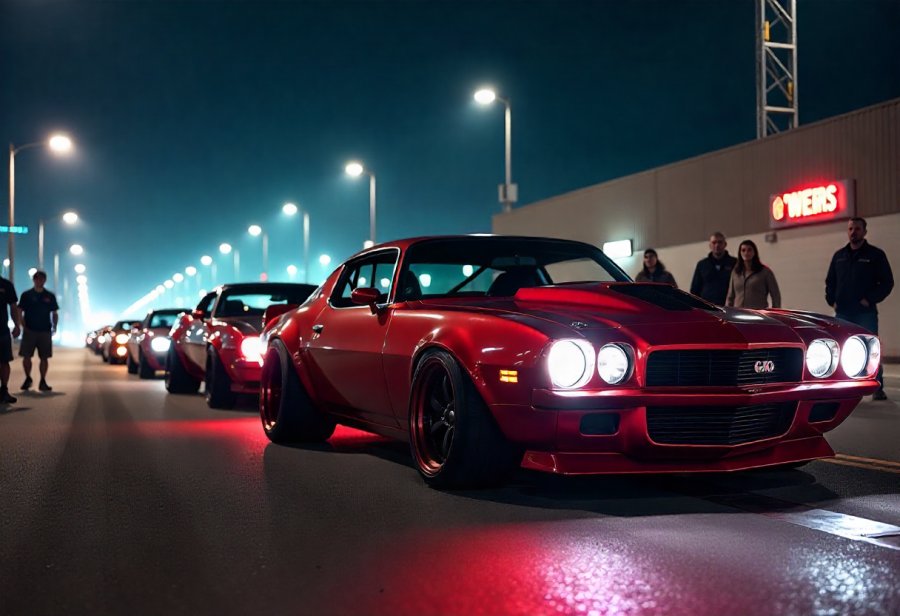
Today’s Hidden Tracks: The Modern Scene of Underground Racing
Underground street racing remains a vibrant and ever-changing scene, especially in urban areas where official racing venues are scarce. Racers often seek out secluded spots like abandoned industrial sites, quiet backstreets, and large parking lots. These locations are chosen carefully for their anonymity and enough space to race safely without attracting unwanted attention. The thrill of racing in hidden corners of the city adds an element of danger and exclusivity, making each race feel like a clandestine event rooted in adrenaline and rebellion.
Participants in today’s underground racing scene are incredibly diverse. From eager newcomers eager to prove themselves to seasoned veterans who have spent years refining their craft, the scene welcomes a wide range of skill levels. Many are passionate about customizing their cars—adding engine upgrades, bold paint jobs, and unique decals that reflect their personal style. These crews often function like families, sharing tips, parts, and strategies, united by their love of speed and a common loyalty to their group.
Night racing creates a unique atmosphere that fosters camaraderie and trust. Under the cover of darkness, with neon lights flickering and engines roaring, racers rely heavily on each other’s support. It’s about more than winning; it’s about backing each other up during mechanical setbacks, police chases, and risky maneuvers. The glow of headlights and the sound of engines become symbols of collective resilience, forging bonds that go well beyond the race itself.
Over time, these shared experiences deepen into lifelong friendships. Rivals often become allies, helping each other rebuild damaged cars or cover for mistakes. The community built around underground racing is tightly knit, with loyalty, respect, and unspoken codes guiding interactions. Working on cars together and sharing secrets about race strategies reinforce a sense of belonging, turning the scene into a kind of family where trust is paramount and shared risks forge unbreakable bonds.
Despite external pressures from authorities and critics, underground racing continues to thrive, driven by a passion for speed, creativity, and kinship. It remains an essential outlet for self-expression and community for many young people in the city. In this scene, speed is just part of the story—what truly matters is the loyalty, brotherhood, and resilience that keep the culture alive and evolving in the shadows of the urban landscape.
Loyalty, Trust, and Respect: The Unbreakable Code of Racing Brotherhood
Underground racing brotherhood is anchored in core values like loyalty and trust, which transcend mere driving skills. Loyalty means standing by each other through every challenge, whether it’s keeping race locations secret or shielding teammates from legal trouble. This unwavering support deepens bonds, turning crews into families that rely on shared commitment as much as speed. Such loyalty isn’t superficial; it’s demonstrated through actions that reinforce a collective identity rooted in mutual care and respect.
Trust is the foundation that keeps these relationships strong. Racers depend on one another to watch their backs during risky runs and to uphold the unspoken codes of their scene. This trust isn’t built overnight; it’s earned through consistency, reputation, and demonstrated loyalty. When a teammate shares inside tips or helps repair a car under pressure, it solidifies a bond that’s more than friendship—it’s an unbreakable pact. This mutual reliance creates a support network that withstands external threats and internal setbacks alike.
Shared risks are what truly forge the fabric of the brotherhood. Every high-speed race, narrow escape, or police chase becomes a test of resilience and collective courage. Facing danger side by side—whether it’s mechanical breakdowns, accidents, or law enforcement—cements a sense of solidarity. These moments of adversity become stories that bind crews closer, transforming individual adrenaline into a collective experience. The willingness to face risks together reinforces the idea that they are more than just racers—they are a support system built on shared sacrifice.
Respect and an unwritten code guide interactions within the scene. Respect isn’t only about admiring each other’s cars; it’s about honoring the crew’s traditions, secrets, and boundaries. Upholding these norms prevents internal conflicts and preserves the authenticity that keeps the scene cohesive. Breaking these rules risks alienation, so adherence acts as a glue that maintains trust and integrity. These customs, passed down through generations, ensure that the brotherhood remains resilient and true to its roots.
Car modifications serve as symbols of loyalty and pride, turning machines into personal emblems of belonging. Custom paint jobs, engine upgrades, and decals reflect individual dedication to the crew and collective identity. Working on these cars together isn’t just about performance; it’s a ritual that strengthens bonds, turning vehicles into moving representations of unity. This shared craftsmanship reinforces the sense of belonging and the unspoken commitment that keeps the brotherhood alive, even in the face of external pressures.
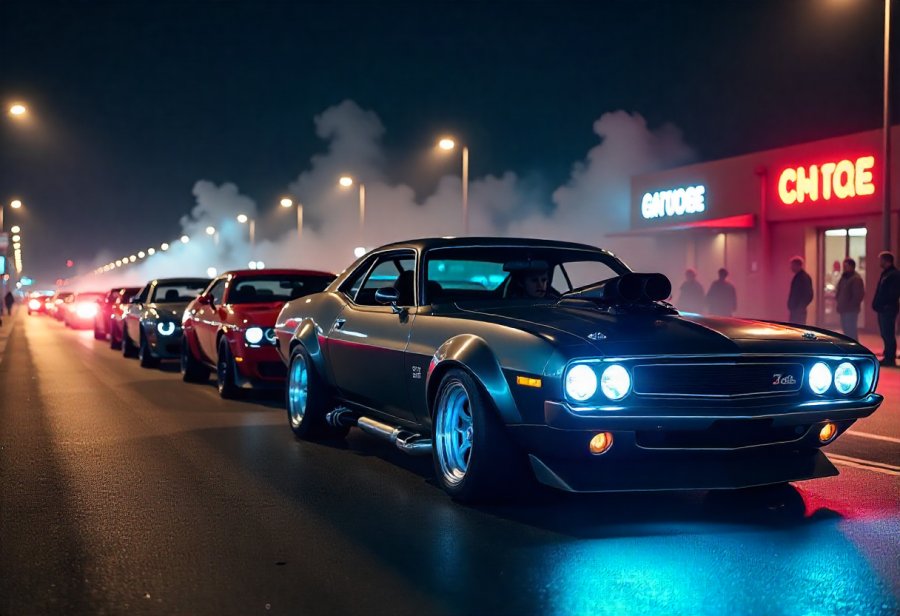
Impact Beyond the Streets: How Underground Racing Shapes Lives and Communities
Underground racing leaves a lasting mark not only on those who participate but also on the neighborhoods where these scenes unfold. For many racers, it becomes more than a hobby; it shapes their identity and sense of belonging. The bonds forged through late-night sessions and shared risks often extend beyond the streets, fostering lifelong friendships and skills that can open doors to careers in automotive repair, customization, or even professional racing. These relationships become a vital support system, built on trust, loyalty, and mutual encouragement amid high-stakes situations.
In local communities, underground racing can stir mixed feelings. On one hand, it injects energy and pride, showcasing local talent and resilience. Residents might admire the creativity behind custom cars or see the scene as a form of youthful expression and independence. On the other hand, noise, traffic disruptions, and safety concerns often cause friction with neighbors and authorities. Most races take place in abandoned lots or quiet backstreets to minimize disturbance, but the inherent risks—accidents, legal issues, or police crackdowns—remain ever-present.
Despite these challenges, the scene’s sense of camaraderie keeps the culture alive. Racers support each other beyond the thrill of competition, sharing skills, offering mechanical help, and providing emotional backing during setbacks. Many see their crew as a second family, where loyalty and respect are non-negotiable. These relationships grow stronger through shared experiences—rebuilding a damaged car, covering for a teammate, or celebrating a hard-fought victory—cementing a community that values resilience and mutual trust.
For individual participants, the impact extends into personal growth. Many develop technical skills in car modification, mechanical repair, and strategic planning—skills that can translate into real-world opportunities. The discipline learned from late-night work sessions and the resilience built through setbacks foster confidence and a sense of purpose. For some, being part of this underground community becomes a stepping stone toward careers in motorsports or automotive industries, turning passion into profession.
More broadly, underground racing fosters a culture rooted in loyalty, respect, and shared risk. It’s a space where bonds are formed through adrenaline-fueled nights and secret meetups, creating relationships that often last a lifetime. These connections are more than just friendships—they’re a testament to the power of community forged in the shadows of the city. In a world that often values conformity, this scene offers an alternative space for self-expression and belonging.
Even amid external pressures and challenges, the enduring strength of these relationships keeps the scene vibrant. The loyalty and brotherhood built in the face of danger, law enforcement, and competition provide a resilient foundation. For many, underground racing isn’t just about speed; it’s about community, trust, and resilience—values that leave a lasting imprint on lives and neighborhoods alike. This culture proves that sometimes, the deepest impact isn’t measured in victories or speed, but in the unbreakable bonds formed in the pursuit of a shared passion.