Learning to ride a bike is more than a physical skill; it’s an emotional milestone that shapes confidence, independence, and resilience. The journey teeters between fear and thrill—does the fear of falling outweigh the exhilarating freedom of mastering two wheels? This process involves overcoming hesitation and embracing setbacks as vital steps toward growth. Supported by patience and encouragement, children learn to interpret their worries as natural parts of achievement, transforming nervous wobbling into proud independence. As they transition from supervised to solo riding, they build trust in themselves, fostering emotional strength that extends beyond cycling. This delicate balance of courage and caution teaches that setbacks are not failures but opportunities to persevere. Through shared family support and celebration of effort, children discover that overcoming fears fuels perseverance—and that every wobble carries them closer to confidence. Are these lessons about resilience and self-trust just for childhood, or do they hold lifelong keys to facing life’s challenges?
Celebrating the Milestone: Learning to Ride a Bike as a Journey to Independence
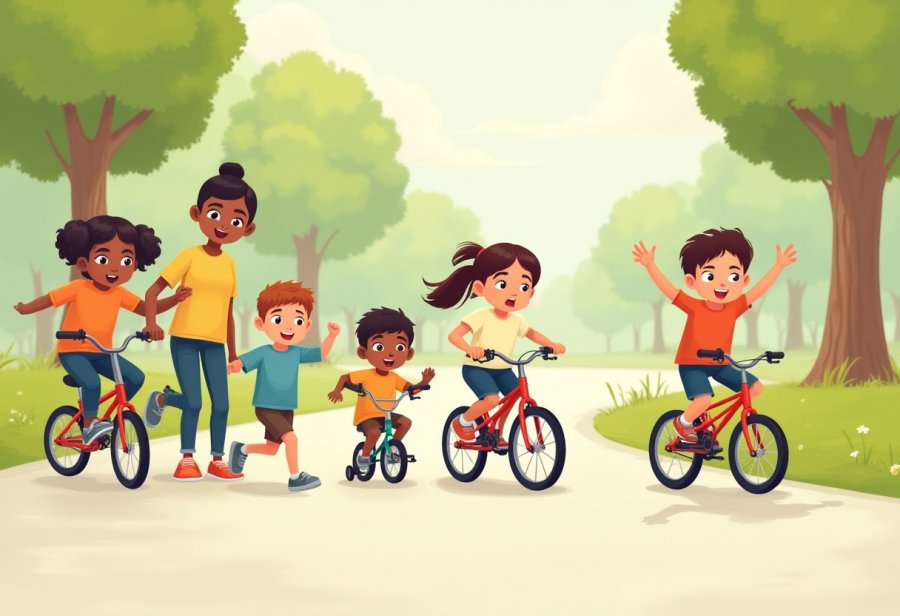
Learning to ride a bike is more than just picking up a new skill; it’s a milestone that often marks a child’s first steps toward independence and confidence. For many kids, the process is a mix of excitement and nerves, as they prepare to tackle something that feels both intimidating and exhilarating. The wobbling on two wheels, the search for balance, and the slow but steady progress create memories that families cherish long after the first successful ride. It’s a moment filled with emotion—pride, nervousness, and joy all woven together.
Beyond the technical challenge, learning to ride a bike is a deeply emotional journey. Children often face fears of falling or hurting themselves, which can either hold them back or motivate them to try harder. Support from parents and siblings plays a vital role in turning what could be a stressful experience into a shared adventure. Encouragement, reassurance, and patience help kids push past their anxieties, transforming hesitation into determination. These moments aren’t just about mastering balance—they’re about building trust in oneself.
The transition from supervised riding with training wheels or steadying hands to riding independently is a significant step toward autonomy. Kids begin to explore on their own, trusting their control and judgment. This shift not only marks a physical milestone but also fosters a sense of mastery that extends into other areas of life. Watching children take that first solo ride often feels like witnessing a small but meaningful victory—one that boosts their confidence and encourages them to face new challenges.
Emotion plays a central role in this journey. The fear of falling can cause hesitation, yet it also sparks carefulness and focus. When supported well, children learn to interpret their worries as a natural part of growth. Celebrating small victories—like balancing a little longer or pedaling without support—reinforces their belief in their abilities. This delicate balance between caution and courage makes the learning process both challenging and rewarding, shaping their emotional resilience along the way.
In the end, learning to ride a bike isn’t just about physical skills; it’s a profound emotional milestone. It teaches children that setbacks are part of growth and that perseverance leads to achievement. When families approach this moment with patience and positivity, they turn the wobbling first pedals into symbols of courage, family bonds, and the joy of overcoming fears together. These experiences lay the foundation for many more adventures and life lessons ahead.
Core Concepts Unveiled: Confidence, Fear, and the Path to Self-Reliance
Learning to ride a bike involves more than just balancing on two wheels; it’s about understanding some core ideas that shape the whole experience. Confidence, fear, and independence are key elements that influence how children approach cycling. When kids start out, worries about falling or losing control can feel overwhelming. Recognizing that fear is a natural part of learning helps children see it not as a barrier but as a sign they’re pushing their limits. As they practice and succeed in small steps, their confidence gradually builds, encouraging them to keep trying.
Confidence doesn’t develop overnight. It grows through consistent effort and positive reinforcement. When children experience small victories—like balancing longer or pedaling without help—they begin to believe more in their abilities. This sense of self-efficacy is crucial because it motivates them to persevere despite setbacks. Parents and caregivers play a vital role here, celebrating every achievement to reinforce that progress, not perfection, is what counts.
Independence is another fundamental idea. Kids often start with training wheels or steadying hands, but as their skills improve, they start exploring on their own. Moving from supervised riding to making independent decisions on the bike marks a major milestone. It’s about trusting their control and judgment, which deepens their sense of mastery and personal growth. This transition isn’t just about riding; it’s about trusting themselves more broadly.
The relationship between fear and confidence is complex but vital. Fear can cause hesitation and doubt, but it also signals that children are taking risks necessary for growth. When supported properly, that fear can be channeled into focus and carefulness. Kids learn to interpret their worries as a natural part of learning, especially when adults normalize setbacks and celebrate effort. This perspective helps them see mistakes as part of the journey rather than failures.
Understanding these ideas makes it clearer what children experience during this milestone. It’s not just about physical skills but also about emotional resilience. Confidence, fear, and independence influence each other, shaping how kids learn and grow. When caregivers recognize this interplay, they can better support children through the ups and downs, turning each wobble into a step forward.
Setbacks, like falls or wobbles, are integral to learning. They remind children that mistakes are natural and necessary for progress. Supporting kids with patience and encouragement helps transform these moments into opportunities for growth rather than barriers. Over time, this fosters a resilient mindset that extends beyond cycling into many areas of life.
By grasping these foundational concepts, adults can create a supportive environment where children feel safe to explore, fall, and try again. Framing fear as a normal part of growth and celebrating effort helps children develop a healthy, balanced view of challenges. This approach not only helps them master riding but also cultivates a mindset that will serve them well in future endeavors.
Ultimately, understanding these core ideas about confidence, fear, and independence makes the journey of learning to ride a bike richer and more meaningful. It shows that setbacks are just steps in the process, and that perseverance and support turn challenges into triumphs. When children learn to navigate their emotions and trust in their abilities, they don’t just learn to ride—they learn lifelong lessons about resilience and self-trust.
Emotional Dynamics Explored: The Interplay of Fear and Thrill in Riding
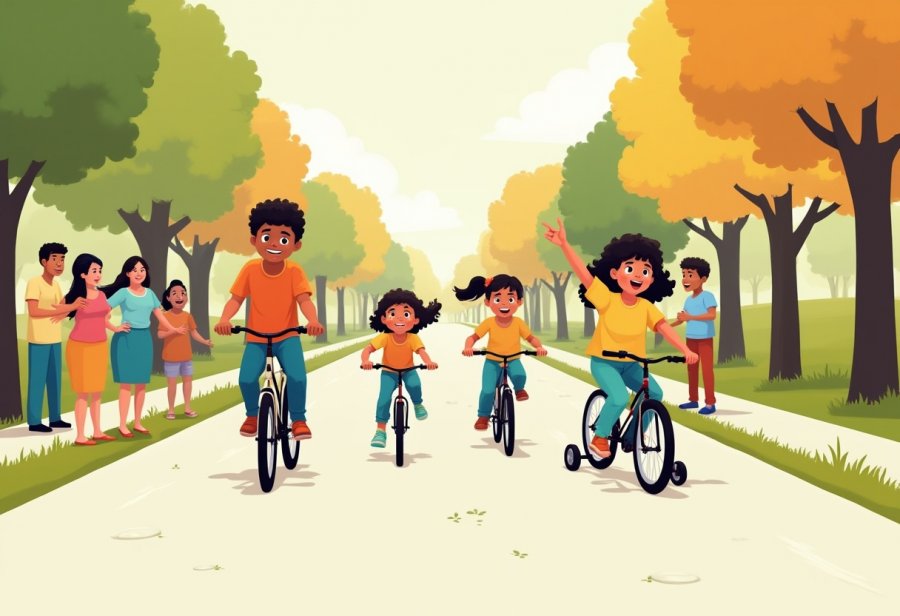
Learning to ride a bike is as much an emotional journey as it is a physical skill. The feelings of fear and thrill often intertwine, shaping how children approach each wobble and pedal. Fear of falling can trigger hesitation, making kids cautious and sometimes reluctant to try again after a tumble. But that same fear isn’t necessarily a sign of weakness; it’s a natural response to risk, signaling that children are pushing their boundaries. When supported with reassurance and understanding, this fear can transform into focus and determination, fueling their progress.
The thrill of finally balancing and moving independently on two wheels creates a powerful counterpoint to fear. It’s that rush of freedom and achievement—when a child takes their first solo ride—that makes all the falls and frustrations worthwhile. This emotional contrast keeps children engaged, pushing them to persevere despite setbacks. Support from parents and caregivers helps channel these feelings, normalizing the discomfort of fear while emphasizing the joy of mastery.
The emotional tug-of-war between fear and thrill influences persistence. Some children shy away after a fall, overwhelmed by embarrassment or doubt. Others see each stumble as a step closer to success, motivated by the exhilaration of finally staying upright. When adults celebrate effort and small victories, children learn to view setbacks as natural parts of growth rather than failures. This mindset nurtures resilience, encouraging them to keep trying even when the path gets bumpy.
Supportive environments play a crucial role in managing these intense emotions. When children feel safe and understood, they are more likely to interpret their fears as part of the learning process. Reassurance and patience allow them to see mistakes as stepping stones, not insurmountable barriers. This emotional validation builds confidence, reinforcing the idea that perseverance leads to progress. Over time, the thrill of riding becomes the reward that outweighs initial fears.
However, it’s vital to recognize that excessive fear can hinder a child’s progress. If anxiety becomes overwhelming, it may cause avoidance, dampening their motivation. When riding becomes associated with discomfort rather than fun, confidence can suffer. Balancing encouragement with realistic reassurance helps children navigate their fears without feeling crushed by them. It’s about guiding them through their emotional hurdles, turning fear into a catalyst for growth.
The emotional complexity of learning to ride highlights a broader truth: growth often involves discomfort. Fear is a natural part of stretching beyond comfort zones, and when managed well, it fosters resilience. The thrill of overcoming fears, feeling control, and gaining independence becomes a powerful motivator. Children learn that setbacks are temporary, and each wobble or fall is a step toward mastery. This emotional resilience, cultivated early on, extends far beyond the bicycle and into many aspects of life.
Applying Insights in Real Life: How Support and Encouragement Shape the Learning Experience
Understanding how fear and thrill influence a child’s journey to learn riding can shape the way parents and caregivers approach the process. Recognizing that some level of fear is natural—and even beneficial—allows adults to foster confidence rather than anxiety. Starting on flat, open spaces and using training wheels create a gentle learning environment that builds trust and encourages small successes. These initial victories help children feel capable, transforming moments of hesitation into opportunities for growth and enjoyment.
Family interactions during bike lessons deepen when adults see fear as a normal part of learning. Reassuring children and celebrating effort rather than perfection turns each wobble or fall into a bonding moment rooted in patience and support. When caregivers cheer for progress—no matter how small—they reinforce the idea that persistence matters more than perfection. This positive approach helps children develop resilience and a healthy attitude toward setbacks, making the learning experience less intimidating and more empowering.
Encouragement plays a key role in turning fear into a stepping stone. Praising efforts like balancing a little longer or pedaling independently boosts confidence and motivates children to keep trying. When adults emphasize effort over flawless execution, children are more likely to see mistakes as part of the process, not as failures. This mindset fosters perseverance and helps them understand that growth often involves overcoming discomfort and doubt.
Supporting the transition from supervised riding to independence requires patience and trust. Giving children space to make decisions on their own nurtures a sense of mastery and autonomy. When they realize they can navigate on their own, their confidence spills over into other areas of life. Celebrating these moments of independence reinforces their belief that they are capable and resilient, encouraging them to embrace new challenges with courage.
The emotional aspect of learning to ride isn’t a side note—it’s central. When caregivers accept that fear can motivate caution and carefulness, they can better guide children through their anxieties. Validating worries while celebrating small wins helps children interpret setbacks as natural steps rather than insurmountable barriers. This supportive environment keeps the process positive, turning every wobble into a lesson in resilience and persistence.
Fostering a balanced view of fear and thrill teaches children that setbacks are part of growth. When caregivers create a safe space for exploration, wobbling, and even falling, they help children develop a mindset that views challenges as opportunities. This perspective not only supports successful riding but also nurtures lifelong confidence and resilience. Encouraging children to see their fears as part of their journey empowers them to face future obstacles with courage, knowing they are supported every step of the way.
Reflections on Growth: Embracing Fear and Thrill as Seeds of Resilience and Confidence
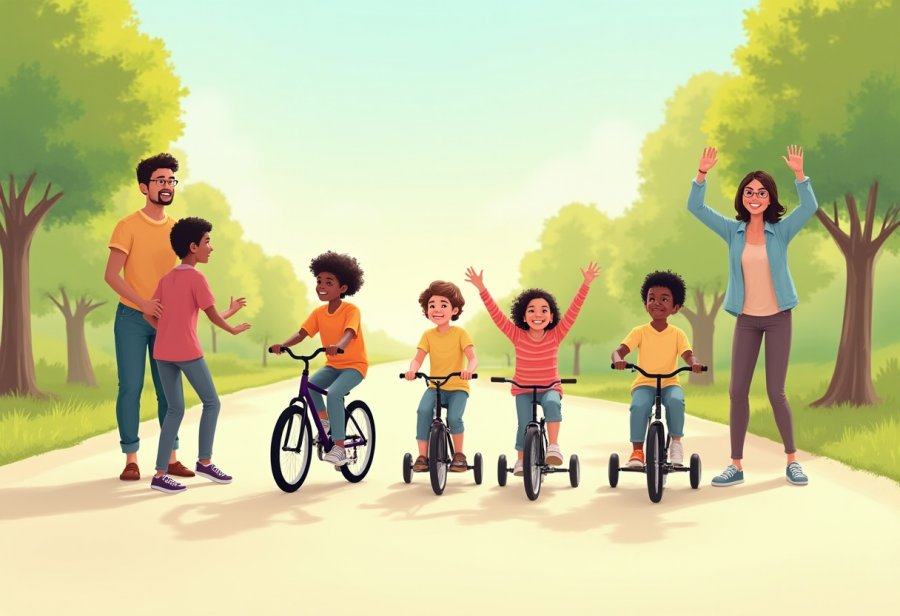
Learning to ride a bike is more than just mastering balance; it’s an emotional journey that shapes how children see themselves and their abilities. The feelings of fear and thrill are tightly woven, creating a path filled with moments of hesitation and bursts of confidence. Those wobbling first pedals, the falls, and the triumphant rides all teach children that growth often comes with discomfort. Recognizing that fear isn’t an obstacle but a sign they’re pushing their boundaries helps kids understand that persistence leads to progress.
The thrill of finally balancing and riding independently becomes a powerful reward. It’s that rush of pride when a child takes their first solo ride that makes every wobble and fall worthwhile. Supporting children through their fears and celebrating small victories build a sense of achievement and resilience. These moments show that setbacks are just part of the process, not signs of failure, and that perseverance turns obstacles into stepping stones.
This emotional rollercoaster highlights an important truth: growth often involves discomfort. Fear of falling can feel overwhelming, but with patience and encouragement, it transforms into a catalyst for developing control, patience, and emotional strength. Children learn that setbacks aren’t the end but integral parts of learning, fostering confidence that extends beyond childhood. When supported well, they see mistakes as natural steps forward, not as barriers.
Encouraging children to embrace both fear and thrill nurtures resilience that lasts a lifetime. When they realize that overcoming worries leads to independence and joy, they develop a mindset that welcomes challenges rather than avoids them. Celebrating their progress—no matter how small—reinforces their belief in their ability to face future obstacles with courage. This emotional resilience becomes a vital skill, shaping their capacity to handle many of life’s challenges.
The journey of learning to ride a bike is a reflection of broader life lessons about perseverance and self-trust. It reminds us that setbacks are normal and necessary for growth. With support and a positive outlook, children learn to see fears as part of the journey, transforming anxiety into motivation. Each wobble and fall becomes a testament to their courage, family bonds, and the joy of overcoming fears together.
By understanding and embracing both the fears and thrills of riding, children develop a healthier relationship with challenges. They learn that persistence, patience, and support turn difficult moments into opportunities for strength. These experiences foster a sense of accomplishment and independence that extends far beyond the bike, encouraging a lifelong attitude of resilience, courage, and self-belief.