




Mastering calm, confident dog walking is more than a routine—it’s a gateway to deeper trust and harmony between you and your pet. Imagine turning daily walks into serene moments of connection, where your dog’s focus and relaxed demeanor speak louder than commands. But how do you cultivate such tranquility amid distractions or energetic pulls? This guide reveals that consistency, patience, and positive reinforcement are your strongest tools, helping your dog learn to stay by your side, even in bustling environments. Step-by-step techniques, tailored routines, and the right tools transform chaos into calm, turning training setbacks into growth opportunities. Could these peaceful walks redefine your bond and make every outing a joyful experience? The journey requires dedication, yet the rewards—reduced anxiety, improved behavior, and a lifelong bond—are well worth the effort. Are you ready to unlock this shared sense of peace and confidence?
Building a Deep Connection Through Calm, Confident Dog Walking
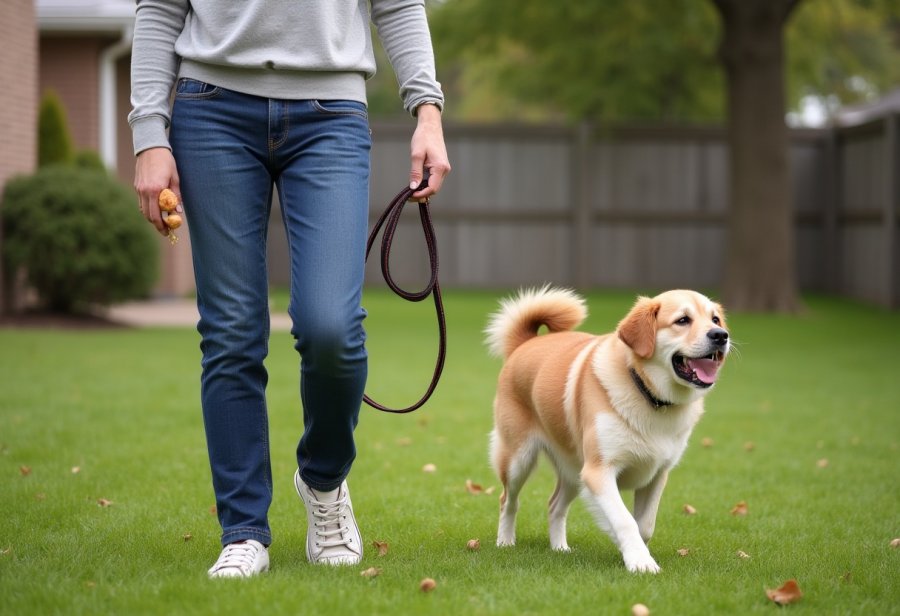
Mastering calm, confident dog walking goes beyond simply keeping your pet on a leash. It’s about building a deeper connection rooted in trust and mutual respect. When your dog walks calmly beside you, it signals that you’re a reliable leader, providing safety and reassurance. These peaceful walks become more than routines—they transform into moments of communication, where both of you feel relaxed and in sync.
A steady, confident walk helps your dog feel secure, reducing behaviors like pulling, lunging, or anxiety, especially in unfamiliar or busy environments. This sense of calm doesn’t develop overnight, but with consistent effort, your dog can learn to stay focused and relaxed. Over time, these routines strengthen your bond, making every outing more enjoyable and giving your dog a sense of stability.
Walking with calmness and confidence is about more than manners—it’s about nurturing a shared routine built on patience and understanding. When you approach walks with a relaxed mindset, your dog picks up on that energy and mirrors it. This creates a positive cycle where trust deepens, and your dog begins to see walks as a safe space for exploration and connection.
Every successful walk reinforces your role as a calm, dependable leader. It’s not about perfection but persistence—every step taken with patience and consistency brings you closer to the harmony you seek. These moments of calm not only improve behavior but also lay the foundation for a lifelong bond rooted in mutual trust and joy.
The journey to confident, peaceful walking is gradual, but the rewards are worth it. As your dog learns to stay focused and relaxed, your relationship will flourish, turning daily outings into shared experiences of success. With patience and dedication, you’ll unlock a new level of harmony that makes every walk a highlight of your day.
Core Principles for Effective Leash Training and Serenity
Mastering calm dog walking starts with understanding some core principles that set the foundation for success. Consistency is essential—dogs thrive on routines and clear expectations. When you maintain steady commands, routines, and handling styles, your dog quickly learns what’s expected and feels more confident to stay relaxed. Using positive reinforcement, like treats or praise, makes the training enjoyable and effective, encouraging your dog to repeat good behavior.
Patience is just as vital. Dogs don’t learn overnight, and setbacks are normal. Staying relaxed and persistent signals to your dog that calm, focused walking is the goal. Your own energy influences theirs; a calm, confident demeanor helps your dog mirror that calmness. Keep the leash slack—tension can prompt pulling or anxiety. Instead, guide gently with consistent cues to encourage exploration without feeling trapped or stressed.
Understanding canine behavior also plays a key role. Dogs respond strongly to body language, tone of voice, and energy levels. Approaching walks with confidence and calmness reinforces that you’re a reliable leader. Proper leash handling—avoiding tight pulls—helps your dog feel safe and reduces unwanted pulling or lunging. When your dog pulls ahead, gently redirect their focus back to you, rewarding their attention.
Establishing clear cues like “heel” or “walk” is fundamental. Use a firm, gentle tone and reward immediately when your dog responds correctly. Starting in quiet environments helps your dog focus, then gradually introduce more distractions as they improve. Consistent practice in different settings builds confidence and creates a calm, controlled walk regardless of surroundings.
Finally, remember that repetition and positive reinforcement are your best tools. Celebrate small successes, stay patient with setbacks, and keep routines predictable. With time and persistence, calm, confident walking will become second nature, strengthening your bond and turning every outing into a peaceful, shared experience.
Step-by-Step Techniques for Teaching Calm Walks
Teaching your dog to walk calmly starts with establishing clear, consistent cues like “heel” or “walk.” Use a firm but gentle tone to signal when you want your dog to stay at your side. Reward them immediately with treats or praise when they respond correctly, reinforcing that calm, focused walking is a good thing. Keep the leash slack; tension signals to your dog that pulling is acceptable, so maintaining slack is crucial for teaching patience and self-control.
Begin training in quiet, low-distraction environments such as your backyard or a peaceful park. This helps your dog focus without feeling overwhelmed. As they improve, gradually introduce more challenging settings like busy sidewalks or parks with other dogs. This step-by-step approach builds confidence and teaches your dog to remain calm despite distractions. Consistent practice strengthens their understanding and encourages relaxed walking even in unfamiliar surroundings.
Leash handling plays a vital role. Avoid pulling or jerking, which can heighten your dog’s excitement or anxiety. Instead, guide with a relaxed leash and calm body language, redirecting their attention gently when they drift ahead. Prompt them back to your side with simple cues like “look at me,” rewarding their focus to reinforce good behavior. When distractions arise, stay patient and calm, knowing setbacks are part of the learning process.
Practice the “heel” command regularly, gradually increasing the duration as your dog becomes more reliable. Reward moments when they stay in position without pulling and gently redirect if they become distracted. Short, frequent training sessions are more effective than lengthy ones, helping your dog internalize calm walking habits. Over time, these techniques become second nature, transforming walks into peaceful bonding moments rooted in trust and mutual respect.
Real-World Applications for Peaceful Walking Practice
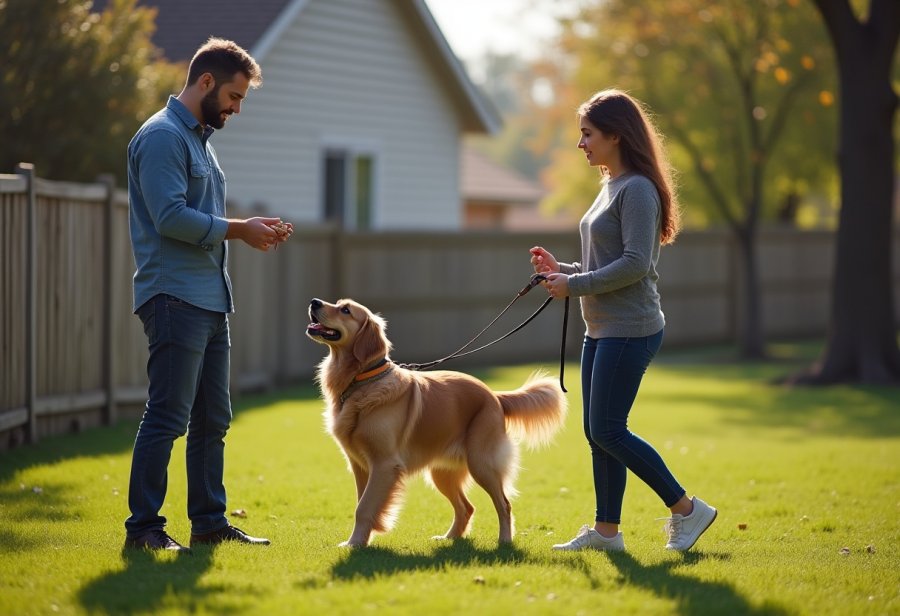
Putting your calm dog walking techniques into real-world practice starts with choosing environments where your dog can focus without too many distractions. Beginning in a quiet backyard or a peaceful park allows you to reinforce your cues and routines without overwhelming your pet. Keep the leash relaxed, your energy calm, and reward calm behavior with treats and praise. When your dog walks beside you peacefully, immediately reinforce that behavior to build a positive association and encourage consistency.
As your dog improves, gradually introduce more challenging settings like busy sidewalks or parks filled with other dogs and distractions. These environments test your dog’s ability to stay calm amid sights and sounds that might otherwise excite or distract them. Use the same commands and rewards, but be ready to gently redirect their attention if they start to pull or become overly excited. Patience and consistency during these sessions help your dog learn to remain focused despite the chaos around them.
Leash handling remains crucial. Avoid pulling or jerking, which can escalate your dog’s excitement or anxiety. Instead, guide with a relaxed leash and calm body language, gently redirecting their focus back to you when they drift ahead. When they get distracted, calmly prompt them back to your side with cues like “look at me,” rewarding their attention to reinforce good behavior. Over time, these cues become second nature, making walks more peaceful and enjoyable.
Practice the “heel” command regularly in different environments. Reward moments when your dog walks beside you without pulling, gradually increasing the duration as they become more reliable. When distractions arise, use focus cues like “look at me” to regain their attention. Short, frequent training sessions are more effective than long ones, helping your dog internalize calm, confident walking habits that turn everyday outings into bonding moments.
Sustaining Calm Walking Habits Over the Long Term
Maintaining calm walking habits over the long term depends on consistent practice and reinforcement. Daily routines help cement good behaviors, making peaceful, focused walks the norm rather than the exception. Short, regular sessions keep your dog’s skills sharp and prevent old habits from creeping back, ensuring they stay confident and relaxed during every outing.
Using quality training tools can also support ongoing success. Durable leashes, comfortable harnesses, and high-value treats make daily walks more manageable and enjoyable for both of you. These tools encourage calmness and focus, reinforcing positive habits that last beyond initial training.
Adapting routines to your dog’s evolving needs is essential. Changes in environment, health, or distractions might require you to tweak your approach. Flexibility and patience help you address setbacks without frustration, turning challenges into opportunities for growth. Recognizing that progress isn’t always linear keeps expectations realistic and your training sustainable.
Building trust outside of walks strengthens your dog’s confidence and willingness to stay calm in various situations. When your dog feels secure and supported, they’re more likely to maintain good behavior across different environments. Consistent, relaxed leadership creates a foundation of safety that promotes ongoing calmness.
Setbacks can happen even after success. If your dog pulls or becomes distracted, calmly pause and redirect their focus with gentle cues, immediately rewarding their attention. Over time, these responses become habits, helping your dog stay composed even when faced with new stimuli.
Celebrating small victories along the way maintains motivation and reinforces progress. Recognize and reward calm behaviors regularly, fostering a positive cycle of learning and trust. Remember, long-term success isn’t about perfection but persistence.
Finally, patience and ongoing dedication turn calm, confident walking into a lifelong habit. With routine, positive reinforcement, and a flexible mindset, you’ll nurture your dog’s ability to stay relaxed and focused on every walk. This sustained effort deepens your bond and ensures that every outing remains a peaceful, bonding experience that benefits both of you for years to come.
Strategic Planning and Routine for Lasting Success
Creating an effective implementation strategy for calm dog walking starts with clear planning. Define specific behaviors you want your dog to master, such as walking beside you without pulling or maintaining focus amid distractions. Setting these goals gives your training a clear direction and keeps you motivated. Develop a consistent routine—same time, same cues, same handling style—so your dog begins to see calm, confident walking as a natural part of daily life. Consistency is key; regular practice helps habits form and solidify over time.
Deciding who will lead the training is equally important. Usually, the primary handler sets the tone with calm energy and clear commands, but if others are involved, everyone must follow the same routines to prevent confusion. Uniform routines across household members create a cohesive environment that accelerates learning. Keep track of progress, whether through a journal or app, to identify patterns and adjust your approach as needed, ensuring steady improvement.
Maintain routines across different settings, from your yard to busy parks, to reinforce good habits in diverse environments. When your dog pulls or gets distracted, pause calmly and redirect their attention with cues like “look at me,” rewarding their focus to reinforce positive behavior. Short, frequent sessions are more effective than long, sporadic ones, helping your dog internalize calm walking as a reliable routine rather than an exception.
Using the right tools supports your efforts. Durable leashes, comfortable harnesses, and high-value treats make daily walks more manageable and enjoyable. As your dog’s skills develop, gradually introduce more challenging environments with increased distractions, always maintaining your core routines. This gradual exposure builds confidence and helps your dog stay relaxed even in complex situations.
Patience and adaptability are vital. Every dog progresses at its own pace, and setbacks are part of the process. If your dog pulls or becomes distracted, calmly pause and redirect with gentle cues, rewarding their focus. Consistent responses teach your dog that calmness and attention are always rewarded, preventing regression. Celebrating small successes keeps motivation high and fosters a positive learning environment.
Long-term success depends on persistent practice and positive reinforcement. Daily routines reinforce good habits, making peaceful, focused walks the new normal. Invest in quality training tools to support ongoing progress. Flexibility in routines allows you to address changing circumstances without frustration, turning challenges into growth opportunities. With patience and regular effort, calm, confident walking becomes a lifelong habit, deepening your bond and ensuring every walk remains a peaceful, bonding experience.
Overcoming Common Challenges and Managing Risks
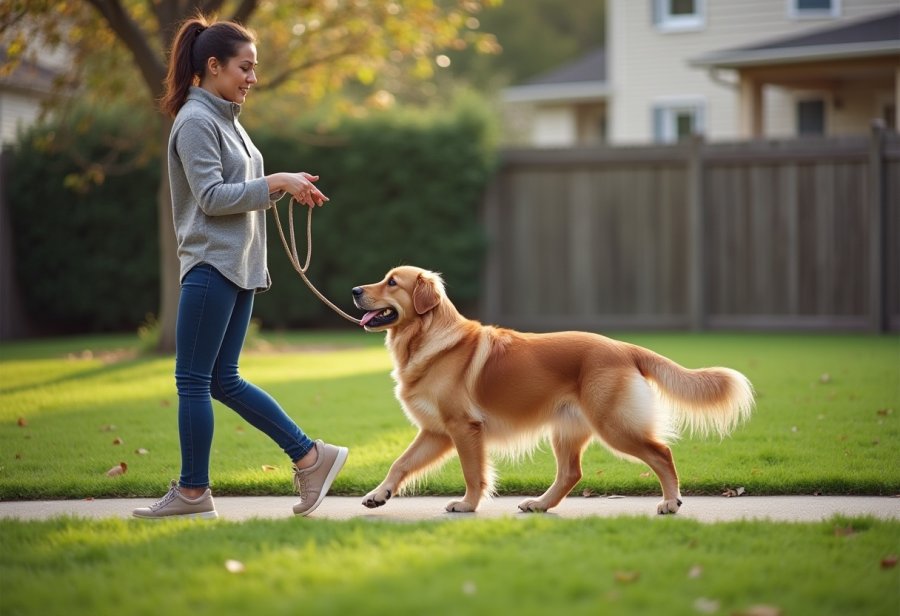
Teaching your dog to walk calmly can present a few common challenges, but understanding how to address them makes a big difference. Distractions, such as sights, sounds, or smells, can easily pull your dog’s focus away, leading to pulling or lunging. Recognizing these triggers early allows you to introduce distractions gradually, helping your dog build confidence without becoming overwhelmed.
Pulling on the leash remains one of the most frequent issues. Many dogs pull because they’re eager or excited, but harsh corrections often escalate their frustration. Instead, focus on gentle guidance and consistent cues, rewarding your dog when they walk beside you without pulling. Patience is key, as changing this behavior takes time and persistence.
Anxious or nervous dogs may struggle more, especially in unfamiliar or busy environments. Pushing them too hard can increase their stress, making it harder for them to relax. Instead, introduce new settings gradually, pairing them with treats and praise to boost confidence and reduce anxiety.
Setbacks are normal in training. If your dog pulls or gets distracted despite your efforts, stay calm and avoid frustration. Briefly pause to regain control, then redirect their attention with a cue like “look at me,” rewarding focus and calmness. Consistent, gentle responses reinforce what good behavior looks like.
Some dogs react strongly to other dogs or people, barking or lunging out of fear or excitement. Managing these reactions requires patience and a gradual desensitization process. Using positive reinforcement to teach calm responses around triggers can lead to steady improvement over time.
Remember, setbacks don’t mean failure—they’re part of the learning journey. Stay patient, adjust your approach when needed, and celebrate small wins. Each challenge faced with calm persistence helps your dog develop better self-control and trust.
By understanding and addressing these hurdles, you set the stage for long-lasting progress. With patience, consistency, and a positive attitude, you can turn potential setbacks into opportunities for growth, ensuring that every walk becomes a peaceful, bonding experience for both of you.