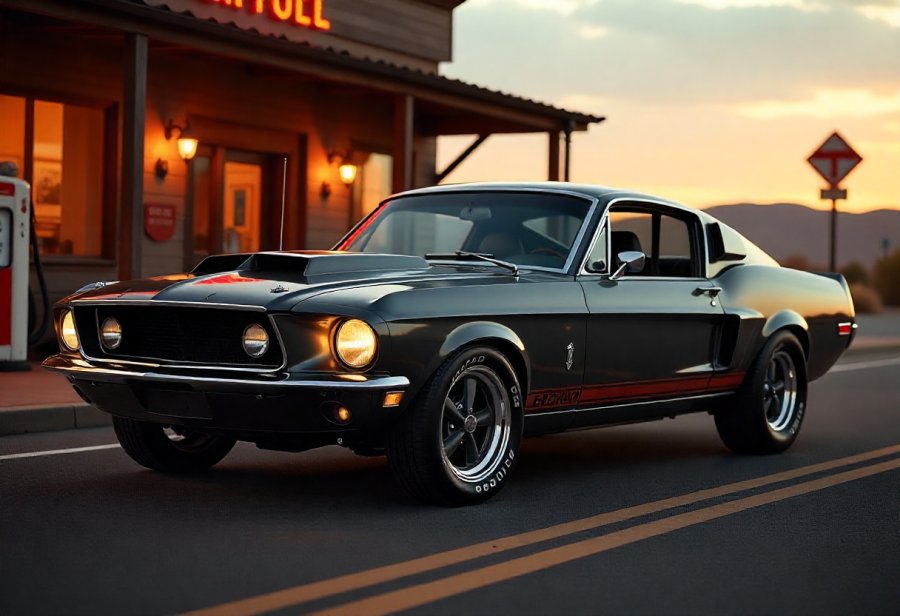
Step back into the roaring heart of the 1970s muscle car era with the Chevrolet SS, a symbol of American ingenuity, rebellion, and raw power. These vehicles weren’t merely transportation; they epitomized attitude, style, and performance, with bold designs, thunderous V8 engines, and iconic aesthetics like racing stripes and vibrant colors. Their aggressive stance and engineering innovations made them the kings of the open road, embodying a culture of daring and independence. Yet, amidst rising regulations and shifting fuel prices, these cars marked the twilight of an era but left an indelible legacy. Today, restored models continue to captivate enthusiasts worldwide, serving as living history and symbols of American craftsmanship. Will their legendary roar fade into silence, or will passionate collectors keep the spirit alive? One thing is certain: the Chevrolet SS remains a potent reminder of a bold, rebellious chapter in automotive history.
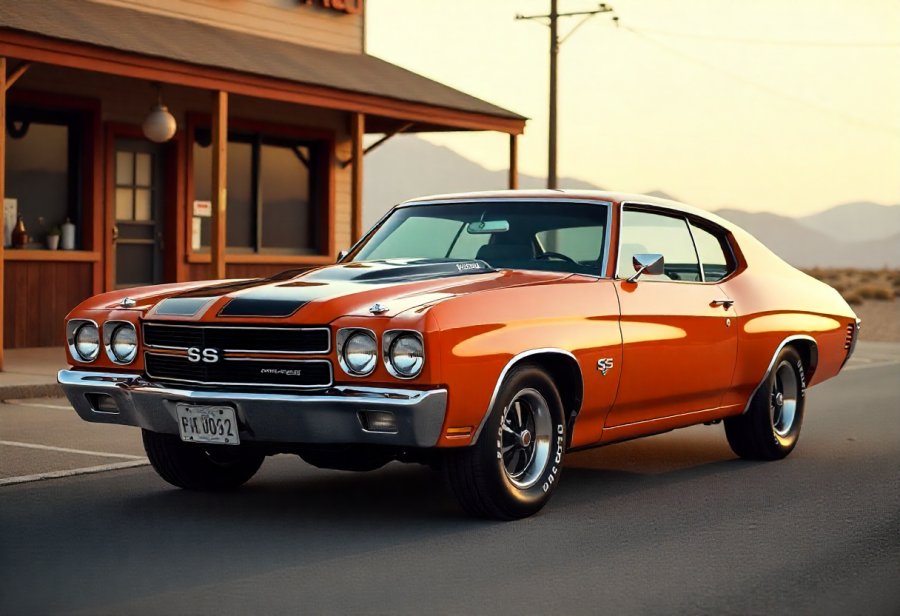
Unleashing the Bold Spirit of 1970s Chevrolet SS: A Muscle Car Icon
The 1970s Chevrolet SS stands as a shining symbol of America’s muscle car golden age, capturing the bold spirit and raw power that defined the era. These cars weren’t just modes of transportation—they were statements of attitude, rebellion, and performance. With their aggressive styling, thunderous V8 engines, and distinctive design cues, Chevrolet SS models became icons of speed and individuality on the open road. Whether it was the sleek Chevelle SS or the compact Camaro SS, each reflected a time when style and performance went hand in hand, fueling a culture obsessed with horsepower and freedom.
This decade marked a pivotal moment in automotive history, driven by innovation and cultural shifts. Americans craved cars that embodied strength, independence, and a rebellious streak. The muscle cars of the era responded with bold designs, powerful engines, and a rebellious aura that resonated deeply. At the same time, rising government regulations on emissions and safety began to challenge manufacturers to balance high performance with compliance. Despite these hurdles, the Chevrolet SS emerged as a symbol of American ingenuity, blending big-block power with eye-catching aesthetics.
Design played a crucial role in the appeal of these cars. Their muscular stance, often highlighted by vibrant colors like Hugger Orange or Lime Green, made a statement even when parked. Features like cowl-induction hoods, racing stripes, and wide rally wheels suggested speed and performance, reinforcing their identity as machines built for action. Chrome bumpers, bold grilles, and aggressive front-end styling created an imposing presence that captured both enthusiast and casual observer attention alike.
Beneath their striking exteriors, the Chevrolet SS was a technical marvel. Large-displacement engines such as the legendary 454 cubic inch V8 delivered staggering horsepower and torque, making these cars some of the most powerful on the road. Innovations like the cowl induction hood improved airflow into the engine, pushing performance even further. Suspensions were tuned for straight-line speed and stability, ensuring that these muscle cars could deliver on their aggressive looks with real, raw power.
While raw power was the main attraction, handling and stability were also key considerations. Upgraded suspensions, wider tires, and reinforced chassis components helped drivers manage their high speeds with confidence. This balance of power and control made muscle cars like the Chevrolet SS capable of impressive acceleration and confident cornering, reinforcing their reputation as both street and performance vehicles.
However, the era’s push for maximum performance faced increasing challenges from stricter emissions standards and safety regulations. Manufacturers often had to detune engines or reduce horsepower ratings to meet new laws. Rising fuel prices and insurance costs also shifted consumer preferences, signaling the beginning of the muscle car’s decline as a dominant force. Yet, the principles of power, style, and attitude remained central to what made these cars legendary.
Today, the Chevrolet SS of the 1970s continues to inspire enthusiasts and collectors. Its bold design and legendary performance have cemented its place in automotive history. Restoring and driving a vintage SS offers a direct connection to that golden age—a reminder of a time when horsepower and rebellion defined American muscle cars. These vehicles are more than relics; they are enduring symbols of innovation, daring, and the unrelenting pursuit of performance.
Legacy of Power and Rebellion: The Enduring Allure of the 1970s Chevrolet SS
The 1970s Chevrolet SS has become more than just a classic car; it’s a symbol of American muscle car nostalgia that continues to captivate enthusiasts worldwide. Its legendary status is rooted in a blend of raw power, striking design, and the cultural impact it made during its heyday. These cars weren’t simply transportation—they embodied rebellion, freedom, and performance, resonating with a generation eager to push limits. Today, restored models like the Chevelle SS 454 still turn heads at car shows, serving as tangible links to an era when horsepower defined identity.
The legacy of the Chevrolet SS is built on its ability to evoke excitement and a sense of boldness. Iconic models such as the Chevelle SS 454 gained fame through their massive engines and unmistakable presence. They weren’t just about getting from point A to B; they represented a cultural movement of individualism and daring. With engines capable of producing up to 450 horsepower, complemented by vibrant paint and racing stripes, these cars created a visual and auditory spectacle that captured imaginations then—and still does today.
Beyond their impressive specs, these vehicles shaped American car culture in profound ways. They became symbols of rebellion, adventure, and speed, fueling street racing scenes and enthusiast communities that thrived on their loud exhaust notes and aggressive styling. Their influence extended into movies, music, and media, often portraying them as icons of strength and daring. The Chevrolet SS’s image helped define a generation’s attitude toward performance and style, transforming cars into rolling symbols of American attitude and daring.
Today, the appeal of these muscle cars continues to grow among collectors and restorers. Many see them as more than investments; they’re projects that connect owners to a proud history of innovation and craftsmanship. Restoring a vintage muscle car isn’t just about aesthetics—it’s about preserving a piece of American automotive history. Owners often share their journeys, sourcing authentic parts and carefully reviving the bold aesthetics that made these cars stand out. This ongoing dedication keeps the legend alive and relevant.
The cultural significance of the Chevrolet SS extends into pop culture, where it remains a recurring symbol of American ingenuity and rebellion. Films, music videos, and advertisements frequently feature these cars, emphasizing their iconic status. This visibility fuels a new wave of enthusiasm, inspiring younger generations to discover and restore these legendary models. The aftermarket scene supports this revival with reproductions, performance upgrades, and customization options, allowing owners to modernize while respecting the original spirit.
Owning and restoring a vintage muscle car like the Chevrolet SS is more than a hobby; it’s an active participation in a storied history of American achievement. Each restoration is a journey of learning, challenge, and pride. Whether driven in parades, showcased at car shows, or kept as prized collections, these cars continue to inspire pride and admiration. Their roar isn’t just a sound—it’s a reminder that the spirit of muscle cars remains alive, thriving through the dedication of passionate owners and enthusiasts who keep the legacy roaring forward.
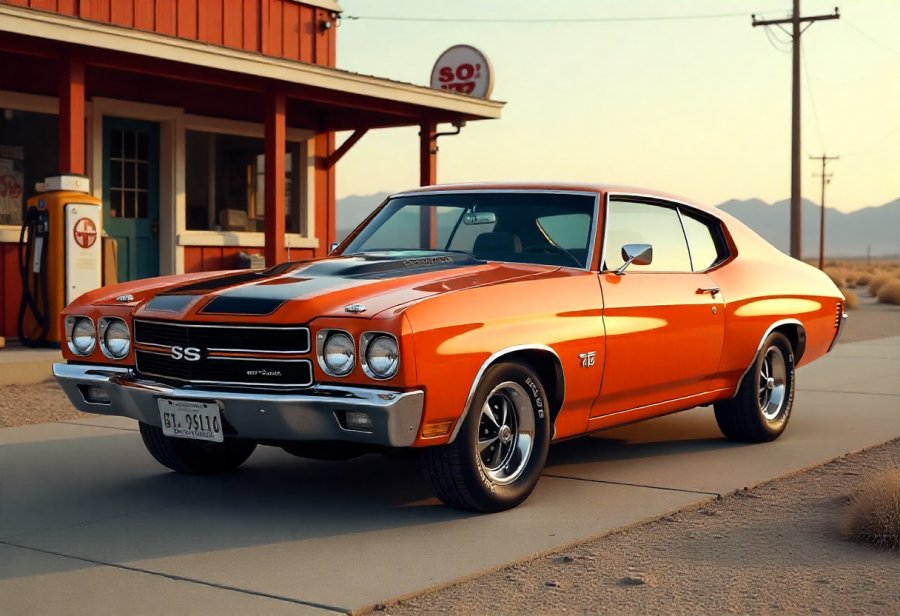
Design and Innovation: The Core Principles of the Muscle Car Era
The muscle car era of the 1970s was defined by a bold fusion of design and performance aimed at making a statement. These vehicles weren’t just about transportation; they embodied power, rebellion, and a fierce sense of individualism. Visual cues like wide, muscular stances, hood scoops, racing stripes, and vibrant colors communicated speed and strength even when the cars were still. Every detail was deliberate, designed to catch the eye and evoke an adrenaline rush—whether it was the aggressive grille, wide tires, or the sleek lines that hinted at the raw power beneath.
At the heart of these cars were technological innovations that pushed engine performance to new heights. Big-block V8s, such as the legendary 454 cubic inch engine, could produce over 450 horsepower, delivering rapid acceleration and high top speeds. Features like the cowl induction hood improved airflow into the engine, maximizing power output. Such advancements weren’t just for show—they represented a relentless pursuit of speed and dominance. These innovations helped muscle cars stand out both on the street and the strip, creating a reputation for ferocious performance.
Design principles centered on width and muscularity, giving muscle cars their imposing presence. Wide bodies, racing stripes, and bold badges like the SS emblem signaled their high-performance intent. Chrome accents and aggressive front-end styling reinforced the idea that these cars were built for action. The visual language was clear: these machines were designed to look fast, sound loud, and perform even faster, making a statement that extended beyond the road into culture.
While raw power was the main attraction, handling and stability were equally important. Upgraded suspensions, broader tires, and reinforced chassis components allowed drivers to harness the power safely and confidently. This balance of brute force and road manners made muscle cars versatile—capable of impressive straight-line speed and spirited cornering. It was this synergy that gave them the reputation of being both street beasts and capable performers, able to deliver excitement across various driving scenarios.
Cultural themes of rebellion and freedom heavily influenced muscle car styling during this period. Bright hues like Hugger Orange and Lime Green became trademarks of the era, emphasizing individuality and daring. The aesthetic language—muscular contours, distinctive badges, aggressive grilles—celebrated a spirit of daring innovation. These cars weren’t just transportation; they were rolling symbols of American attitude, embodying a desire to stand out and push every boundary.
Despite the push for maximum performance, increasing government regulations and rising fuel prices began to temper the muscle car’s heyday. Emissions standards and safety laws often led to detuning engines or reducing horsepower. These challenges signaled the beginning of the decline of the muscle car era, but the core principles—power, bold styling, and a rebellious attitude—remained ingrained in their legacy. The fundamental spirit of the muscle car, forged through innovation and daring design, continues to inspire automotive culture today.
Living the Muscle Car Dream: Restoring and Experiencing the Chevrolet SS
The Chevrolet SS from the 1970s continues to hold a special place in the hearts of car enthusiasts and collectors. Many owners find joy not just in owning these vintage machines but in the process of restoring and maintaining them. Driving a well-preserved or carefully restored SS offers a visceral experience—the deep rumble of the big-block V8 engine, the feeling of the wide tires gripping the road, and the visual impact of its bold styling all serve as a reminder of its legendary status. At car shows and muscle car events, the SS often steals the spotlight, drawing crowds eager to see these icons in action and to reconnect with a piece of American automotive history.
Restoring a Chevrolet SS begins with assessing its condition and sourcing authentic parts. Enthusiasts often focus on restoring the paintwork with period-correct colors like Hugger Orange or Lime Green, which instantly evoke the era’s bold aesthetic. Replacing badges, stripes, and chrome details requires patience and a keen eye for accuracy, transforming a worn-out shell into a shining tribute to muscle car craftsmanship. The interior restoration—reupholstering seats, refurbishing the dashboard, and installing period-appropriate accessories—completes the transformation, making the car feel authentic inside and out.
The driving experience of a restored SS is pure muscle car magic. The thunderous roar of the V8 engine, the responsive handling, and the commanding presence on the road create an immersive connection to the car’s legendary performance. Owners often describe a sense of pride and excitement when cruising down a highway or pulling into a car show. Maintaining these vehicles involves regular mechanical tune-ups, oil changes, and careful inspections, but the effort pays off, keeping the car running smoothly and reliably.
Beyond mechanics and aesthetics, owning a vintage muscle car like the Chevrolet SS is about participating in a community that values craftsmanship and shared passion. Owners exchange tips on sourcing rare parts, improving performance, and preserving originality. Many enjoy documenting their restoration journeys online, inspiring others to keep the muscle car spirit alive. This camaraderie reinforces the cultural significance of these vehicles, ensuring their roar endures for generations to come.
The cultural impact of these cars extends into pop culture, where they continue to symbolize American ingenuity and rebellion. Movies, music videos, and advertisements often feature the SS, emphasizing its iconic status. This visibility sparks renewed interest among younger enthusiasts, who see these cars not just as collectibles but as symbols of a bold, daring era. Reproductions and performance upgrades offered by the aftermarket scene enable owners to modernize their classics while respecting their roots, keeping the legacy vibrant.
Restoring and owning a vintage muscle car isn’t just a hobby—it’s a way to actively preserve a storied chapter of American automotive history. Each project involves learning new skills, overcoming challenges, and experiencing the satisfaction of bringing a piece of the past back to life. Whether driven in parades, displayed at shows, or kept as a prized collection, these cars serve as rolling reminders of a golden age when horsepower and style defined a generation.
The ongoing passion for the Chevrolet SS proves that its legend isn’t fading. Enthusiasts and collectors continue to invest time, effort, and resources into keeping these cars roaring and revered. Their stories of restoration and adventure keep the spirit of the muscle car alive, inspiring new generations to appreciate the boldness and craftsmanship that made these vehicles icons. As long as the engines run and the community endures, the legacy of the Chevrolet SS remains as powerful as ever.
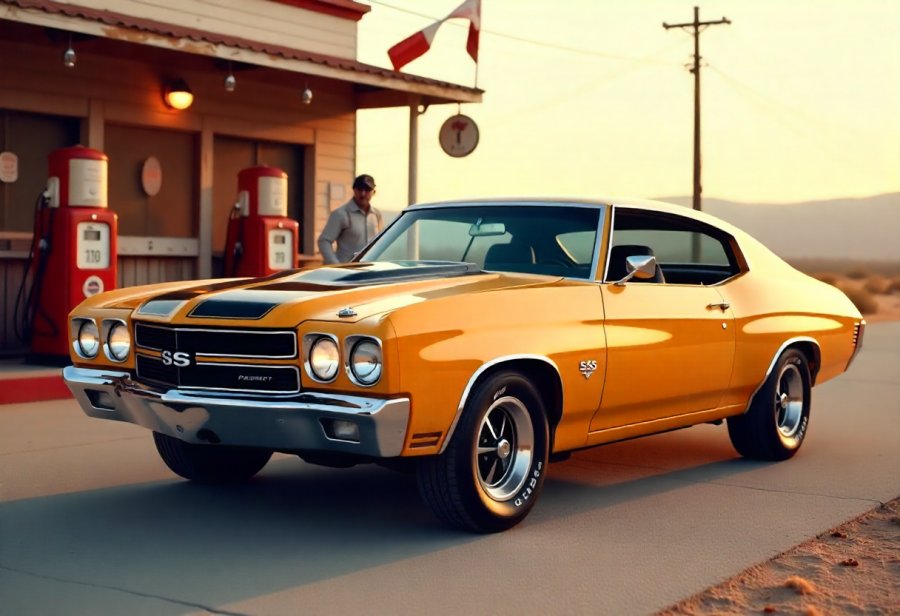
Preserving the Legend: The Future of the Chevrolet SS Legacy
The legacy of the 1970s Chevrolet SS remains as vibrant today as it was during its original heyday. Its striking design, thunderous performance, and cultural significance have cemented its place as a true icon of American muscle cars. Even decades later, these vehicles continue to turn heads at car shows and in collections, serving as powerful reminders of an era defined by daring innovation and raw horsepower.
What set the Chevrolet SS apart wasn’t just its impressive specs, but the spirit it embodied. It captured a rebellious attitude and a desire for freedom that still resonates with enthusiasts worldwide. The roar of its big-block engine and its bold styling symbolize a bold, inventive time in automotive history—one that continues to inspire generations of car lovers and restorers alike.
Today, the preservation and restoration of these cars keep their story alive. Enthusiasts dedicate time and resources to bring vintage models back to their original glory, creating a bridge between past and present. Each restored SS is more than a vehicle; it’s a tribute to American craftsmanship and a testament to the enduring appeal of muscle cars. Sharing stories of restoration and performance keeps the community connected and passionate about maintaining the legacy.
The influence of the Chevrolet SS extends beyond the car community into pop culture, where it continues to symbolize American ingenuity and rebellion. Films, music, and advertisements often feature these cars, reinforcing their iconic status. This visibility fuels a new wave of interest among younger collectors, who see these vehicles as symbols of daring and craftsmanship worth preserving and celebrating.
Looking ahead, the future of the Chevrolet SS hinges on the passion of new generations. As long as enthusiasts cherish and restore these classics, their roar will echo through time. Their story isn’t just about nostalgia—it’s about inspiring innovation and pride in American engineering. The ongoing dedication of collectors and fans ensures that the legend of the Chevrolet SS will continue to thrive, inspiring future enthusiasts to keep the spirit alive.
In the end, these cars stand as more than machines—they are symbols of a rebellious spirit and a bold chapter in American automotive history. Their legacy reminds us that the pursuit of performance, style, and individuality is timeless. As long as passion drives the community, the roar of the Chevrolet SS will never fade, echoing into the future with the same power and swagger that made it legendary.