




The backyard garage is more than a simple workshop; it’s a sanctuary where passion for craftsmanship and restoration thrives amid tools, engines, and memories. This space becomes a personal refuge, blending patience, artistry, and resilience as mechanics breathe new life into vintage machines. But what secrets lie behind this ritual of revival? As technology advances, the future of these sanctuaries promises a seamless blend of traditional skill and innovative tools—like digital diagnostics and 3D printing—without losing the soul of hands-on work. Will these modern innovations enhance the craft or diminish its authenticity? The core remains rooted in tactile engagement, patience, and respect for history, yet the evolving landscape offers new ways to preserve the spirit of restoration. This delicate balance of past and future makes the backyard garage a resilient, inspiring space—one that continues to nurture passion, ingenuity, and a timeless love for machines.
Transform Your Backyard Garage into a Sanctuary of Passion and Craftsmanship
There’s a special kind of satisfaction in transforming a backyard garage into a personal sanctuary dedicated to passion and craftsmanship. It’s more than just a space filled with tools and old machinery; it’s a refuge where mechanics find solace and purpose in restoring vintage machines and breathing new life into neglected engines. Within these humble walls, time seems to slow, and focus sharpens, turning every turn of the wrench into a meditative act—an escape from the chaos of daily life and a return to a hands-on craft rooted in patience and precision.
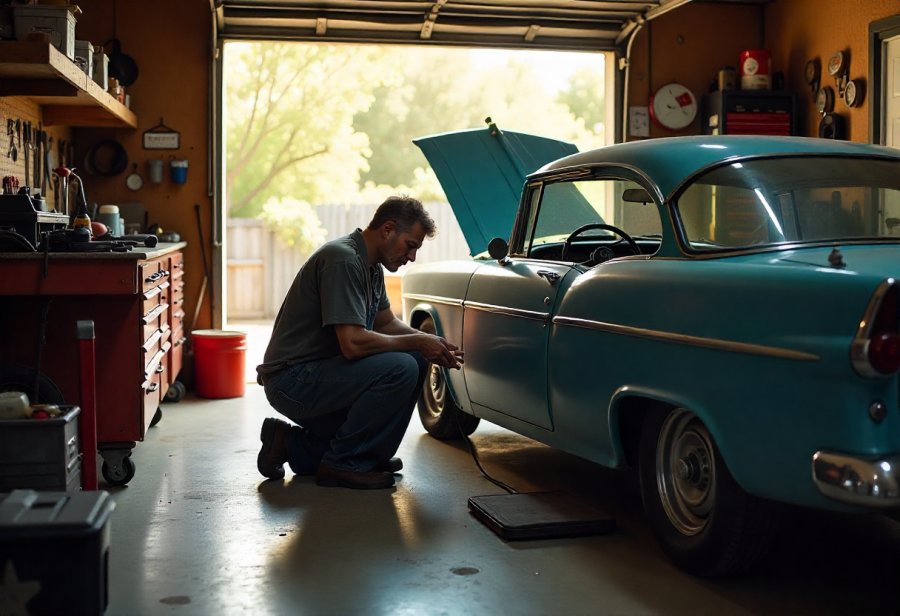
This garage, often modest in size, is rich with character. Its walls are lined with pegboards and shelves holding an array of tools—wrenches, screwdrivers, and specialized equipment—all arranged for quick access. The concrete or dirt floor bears the marks of countless projects, grease stains telling stories of late nights and early mornings. Natural light filters in through open doors or small windows, casting a warm glow over the cluttered workbench and scattered parts, creating an inviting atmosphere that encourages focus and creativity.
Restoring old machines is about more than just fixing parts; it’s a deeply personal journey. Many backyard mechanics are driven by a desire to preserve history, reconnect with childhood memories, or find an escape from the noise of modern life. Each bolt turned and each rusted piece cleaned carries emotional weight, transforming neglected relics into symbols of revival and connection to the past. The garage becomes a space where patience and dedication foster personal growth, making restoration an act of love and resilience.
Beyond the technical work, this space is where artistry and craftsmanship come alive. Restoring vintage engines demands a blend of skill, patience, and an appreciation for the original design. Every careful disassembly, rust removal, and precise reassembly elevates routine repairs into a creative act. Here, attention to detail and respect for history turn each project into a unique story of revival, where mechanical art is born from grease, metal, and time.
More than just a workshop, the garage is a sanctuary for the mechanic’s mind. It’s a place where time slows, and immersion in a project provides a form of meditation. Whether tuning an engine or organizing tools, the space offers quiet reflection and focus, becoming an extension of the owner’s identity. It’s a haven where skills are honed, ideas take shape, and old machines are reborn, all driven by a passion that’s as timeless as the machines themselves.
Key Elements That Make a Garage a True Haven for Mechanics
A passionate garage isn’t just about collecting tools; it’s about creating an environment that sparks inspiration and makes every project feel rewarding. Organization is at the heart of this space—tools are neatly arranged, with wrenches hanging on pegboards and screwdrivers stored in labeled drawers. This setup streamlines workflow, saving time and reducing frustration, so mechanics can focus on what matters most: the craft itself. When everything has its place, the work becomes smoother, more enjoyable, and more efficient.
Lighting plays a crucial role in transforming a garage into a true sanctuary. Bright, well-placed lights—whether natural sunlight pouring through open doors or overhead fixtures—illuminate every corner, making detailed work easier. Good visibility minimizes mistakes and boosts confidence during delicate tasks like wiring or fine tuning. Plus, natural light adds warmth and comfort, encouraging longer, more focused sessions that turn a simple repair into a moment of craftsmanship.
The physical environment also matters. A sturdy workbench provides a reliable surface for disassembly and reassembly, while durable flooring, like polished concrete or well-maintained dirt, withstands grease, oil, and heavy use. Personal touches such as vintage signs, photos, or unique decor help define the space’s character, making it inviting and inspiring. When the garage reflects the owner’s personality, it becomes more than just a workshop—it’s a reflection of their passion and dedication.
Beyond practical features, a true sanctuary fuels enthusiasm and pride. When tools are accessible and the space feels welcoming, it encourages spontaneous projects and experimentation. This environment nurtures attention to detail and elevates routine repairs into creative expressions of mechanical artistry. It’s a place where patience and love for the craft grow stronger, transforming simple repairs into meaningful achievements.
Ultimately, the key to a passionate garage lies in its ability to inspire. Thoughtful organization, excellent lighting, and a comfortable atmosphere set the stage for craftsmanship to flourish. When the environment supports focus, creativity, and pride, it becomes more than a workshop—it becomes a haven where passion drives every turn of the wrench and every rev of the engine. In this space, the love for mechanics is nurtured daily, making each project a personal triumph.
Embark on the Restoration Journey: Breathing New Life into Vintage Machines
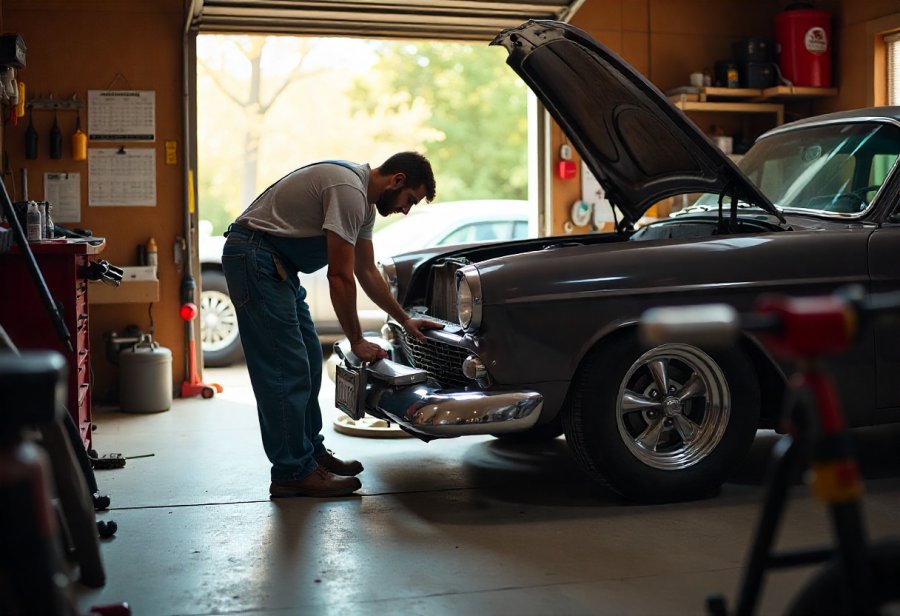
Restoring vintage machines is a careful dance of patience, respect, and craftsmanship. It begins with a thorough assessment—pinpointing what’s salvageable and what needs replacing. This initial step sets the tone, demanding a sharp eye and deliberate approach. The goal isn’t just to get the engine running again but to preserve the machine’s unique character and story. Every decision made during this phase reflects a commitment to authenticity and detail.
Disassembly is where organization becomes crucial. Restorers document wire connections, take photos, and label parts to keep track of every detail. Rushing this process risks losing components or making mistakes that are tough to fix later. A meticulous disassembly ensures a clear roadmap for reassembly, making the entire restoration more accurate and efficient. It’s about respecting the original design while setting a solid foundation for renewal.
Cleaning and rust removal follow—crucial steps that strip away decades of grime and corrosion. Using wire brushes, rust removers, or sandblasting, restorers reveal the hidden beauty beneath layers of neglect. This labor-intensive process is like uncovering a treasure buried under rust and dirt. It’s a moment of transformation, where a battered relic begins to regain its original luster. Every scrub and polish brings the machine closer to its former glory.
Once cleaned, the focus shifts to repairs and sourcing parts. Authentic and high-quality reproductions are chosen carefully, respecting the machine’s original specs. Every bolt, gasket, and wire is selected with precision, knowing small details ensure performance and longevity. Thoughtful replacements help maintain the integrity of the original design, reinforcing the machine’s historical value and functional reliability.
Reassembly demands equal patience. Following detailed notes and photos, the mechanic reassembles each component with care, checking tolerances and alignments along the way. This stage is where all previous effort converges. Every bolt tightened, each wire connected—precision here guarantees the machine operates smoothly. It’s about breathing new life into a relic, restoring not just function but the essence of what makes it special.
Finishing touches—painting, polishing, tuning—bring the project to completion. Restorers match original colors and finishes, aiming for authenticity. Tuning engines or mechanical systems ensures the machine performs as it did in its prime. These final steps aren’t just aesthetic; they’re about restoring function and storytelling. Each detail, from the paint to the performance, reflects a deep respect for history and craftsmanship.
Hands-On Involvement and Reflection: The Heart of Mechanical Mastery
Getting hands-on with your restoration projects is where the real learning happens. Instead of just reading about how a carburetor works or watching tutorials online, actually tearing into a vintage engine or wiring a harness teaches skills that no video can fully deliver. When you’re physically involved, you start to understand how parts fit, move, and interact, making the mechanics more tangible and real. Feeling the weight of a wrench or the resistance of a rusted bolt connects you directly to the work, turning theory into practice.
Taking the time to inspect each component carefully is essential. Instead of rushing, pause and ask yourself what each part does and what it requires. This reflective approach deepens your understanding, transforming a simple repair into a lesson in mechanical harmony. With every step, you develop intuition—recognizing patterns, knowing when something needs extra attention, or spotting a small detail that could cause bigger issues later.
Documenting your process with photos or notes isn’t just about organization; it’s about building confidence and tracking progress. Photos of wiring routes or labeled parts serve as a reference during reassembly, reducing mistakes and ensuring accuracy. Over time, these records become a personal archive of your growing skill set and a reminder of how far you’ve come.
Engagement in each task fosters patience and persistence. Restoration often involves setbacks—stripped threads, missing parts, unexpected rust—and instead of frustration, view these moments as opportunities to problem-solve. Every challenge faced and overcome adds to your expertise, reinforcing your commitment to the craft. Working through obstacles deepens your resilience and appreciation for the mechanics.
The act of working on your machine becomes a form of meditation. There’s a rhythmic flow to disassembling, cleaning, and reassembling that clears your mind and sharpens focus. This quiet concentration allows you to tune out distractions and fully immerse yourself in the task. Achieving small victories along the way makes each project feel more rewarding and meaningful.
Active participation fosters a sense of ownership. When you’re the one turning the wrench or making critical adjustments, the project becomes personal. This connection fuels pride and motivation, making the restoration process more than just a technical task—it’s a story you’re writing with your own hands. That feeling of craftsmanship turns routine repairs into acts of love and dedication.
Mistakes are part of the journey. Not every bolt will come loose easily, and not every wire will fit perfectly on the first try. Embracing these moments as learning opportunities keeps your attitude positive. Each error is a lesson, each fix a step toward mastery. This mindset transforms setbacks into growth, building your confidence and skills over time.
The more you engage directly, the more intuitive your understanding becomes. Restoration stops feeling like a chore and starts feeling like a craft—something rooted in connection, patience, and skill. Working hands-on deepens your appreciation for the complexity of machines and the satisfaction of bringing old relics back to life. It’s in these moments that the true spirit of the backyard mechanic shines brightest, turning passion into practice and craftsmanship into a personal legacy.
The Future of the Backyard Garage: Innovation Meets Tradition
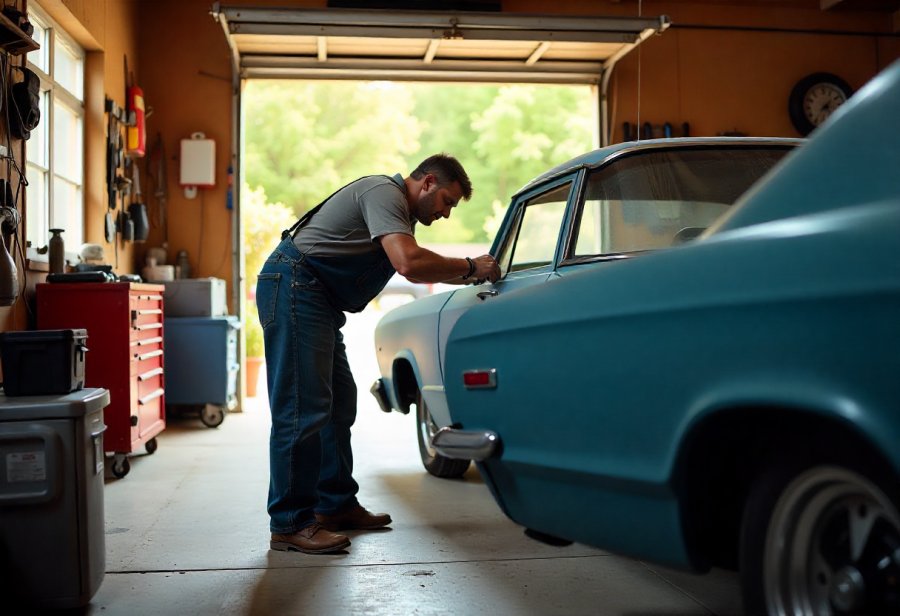
The backyard garage of the future is poised to blend timeless craftsmanship with cutting-edge technology, creating a space that is both nostalgic and innovative. While the love for restoring vintage machines remains at the core, new tools and approaches are expanding what’s possible for hobbyists. Affordable digital diagnostics, for example, allow backyard mechanics to troubleshoot electrical and electronic issues with a level of precision that once required professional workshops. Meanwhile, 3D printing has become a game-changer, enabling enthusiasts to reproduce rare or missing parts right in their own garages, reducing dependence on hard-to-find components and keeping projects moving forward.
Sustainability also plays an increasingly important role in how these spaces evolve. Many backyard restorers are shifting toward repairing and upgrading existing machines instead of replacing them entirely. This approach not only preserves the historical integrity of their projects but also aligns with broader environmental concerns. Using eco-friendly paints, recycling parts, and installing energy-efficient lighting and tools help make these sanctuaries more responsible spaces. It’s a natural extension of the passion—respecting both the machines and the planet, ensuring that this craft can be passed down responsibly.
Despite these advances, the essence of the backyard garage remains rooted in tactile, hands-on work. The feel of metal and grease, the satisfaction of hearing an engine roar back to life—that’s what keeps the spirit alive. Modern tools serve as catalysts, enhancing the skills and precision of the mechanic rather than replacing their touch. This balance between tradition and innovation keeps the space authentic, allowing for new techniques without losing the personal connection that makes it special.
Looking ahead, digital innovations like virtual and augmented reality are beginning to reshape how restorers learn and troubleshoot. Imagine using AR glasses to overlay step-by-step instructions directly onto your workspace or employing virtual tutorials that guide your hand through complex repairs. These technologies can make advanced repairs more accessible and help beginners build confidence faster. As the digital and physical worlds continue to merge, the backyard garage will become smarter and more connected, without sacrificing the independence and character that define it.
What remains certain is that the backyard garage is a space of resilience and creativity. It adapts to changing times, embracing new methods and tools, while holding firmly to its core values of patience, craftsmanship, and passion. This evolving sanctuary will continue to inspire generations of hobbyists, encouraging them to revive old engines, explore new ideas, and preserve a personal legacy of mechanical artistry. No matter how much technology advances, the heart of the backyard mechanic beats strong—driven by a love for machines and a desire to keep the past alive.