




What if true power isn’t measured by external victories but by inner discipline and moral resilience? Marcus Aurelius exemplified a leadership rooted in self-mastery, facing wars, plagues, and political upheaval while cultivating inner strength through Stoic principles. His life prompts us to reconsider leadership’s essence—are we more powerful when we conquer lands or when we conquer ourselves? Artistic depictions of Marcus reveal a balance of strength and introspection, emphasizing that authentic authority flows from inner virtue. Practical lessons emerge from his philosophy: daily reflection, patience, humility, and moral clarity—tools that build resilience amid chaos. As the world evolves, the enduring relevance of cultivating inner discipline becomes clear; future leaders who master themselves will inspire trust and stability far beyond superficial achievements. Could inner strength become the greatest legacy of leadership in a turbulent age? Marcus’s example challenges us to find power within, shaping a legacy that endures.
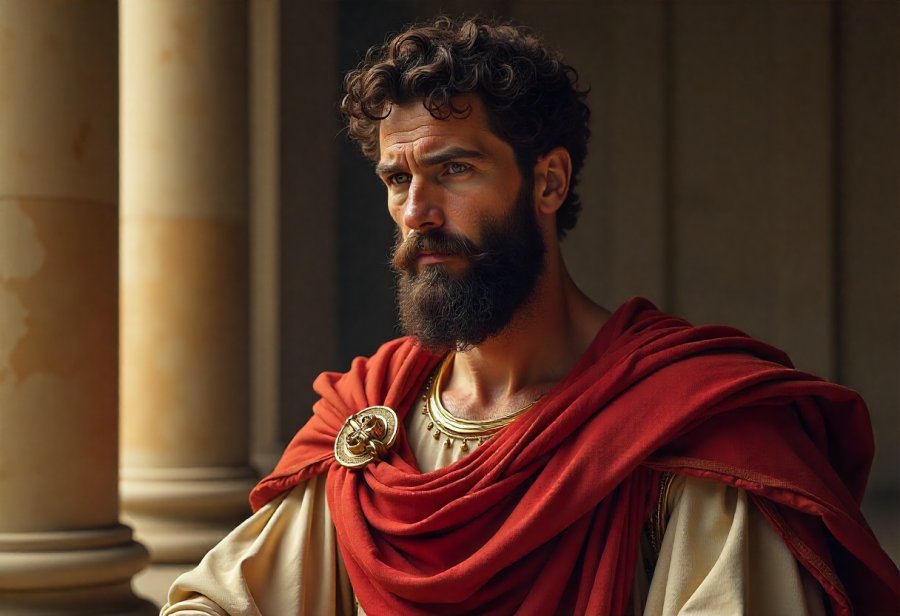
Inner Discipline: The Hidden Source of True Leadership Power
Power has often been associated with what’s visible—territories won, riches gained, or armies victorious. These external signs of strength are easy to recognize and measure, which is why they’ve historically defined leadership and influence. But beneath this surface lies a quieter, more enduring form of power: inner discipline. Resilience, self-control, and moral clarity may not grab headlines, but they are what truly sustain a leader through chaos and time. This shift from external to internal strength invites us to see leadership differently—less about trophies and more about cultivating qualities that can’t be taken away.
Focusing on inner discipline transforms our understanding of influence. Instead of measuring success by superficial achievements, it becomes about building a stable core of patience, humility, and self-awareness. These qualities are crafted through consistent effort and reflection, creating a foundation that remains intact regardless of external circumstances. Leaders with this inner resilience can face setbacks without losing their sense of purpose, making their influence more genuine and lasting. It’s a quiet, powerful force that doesn’t rely on applause but on moral strength.
Figures like Marcus Aurelius exemplify this idea perfectly. As Roman emperor, he faced wars, plagues, and political upheaval, yet his most notable qualities weren’t just military victories or political decisions—they were his unwavering inner discipline and philosophical commitment. His leadership was rooted in mastering himself—his mind and emotions—rather than chasing external validation. This inner strength allowed him to govern with calm and clarity amid turmoil, showing that true leadership begins within.
The roots of this concept stretch back to ancient philosophy, especially Stoicism, which teaches that while we can’t control external events, we do control our responses. This mindset fosters a sense of calm and moral purpose, empowering leaders to face adversity with patience and integrity. Inner discipline becomes the real source of authority—more reliable than any external display—creating a legacy built on self-mastery rather than fleeting victories.
Many of history’s greatest leaders didn’t carve their legacy through external conquests but through how they handled adversity internally. Their resilience, humility, and moral resolve shaped their influence more than external achievements ever could. In their ability to stay centered and true to their values, true power reveals itself—through self-control, clarity of purpose, and moral integrity. These qualities forge a lasting influence that outlives superficial triumphs and fleeting fame.
Marcus Aurelius’s Life and Leadership: A Model of Inner Resilience
Marcus Aurelius’s journey into leadership was deeply rooted in his commitment to inner discipline and Stoic principles. From a young age, he immersed himself in philosophy, seeking to cultivate qualities like self-control, humility, and moral integrity. His education was rigorous, guided by teachers who emphasized reason and virtue, laying a strong foundation for his approach to governing. When he ascended to the throne, he was immediately tested by crises—wars along the borders, devastating plagues, and political unrest—but he relied on his inner resilience rather than impulsive reactions or ego-driven decisions. His philosophical training provided him with mental tools to remain calm and focused amid chaos, illustrating that true strength in leadership comes from mastering oneself.
Marcus’s leadership was characterized by leading through example and practicing humility. He prioritized the well-being of his people and consistently emphasized service and moral duty over personal ambition. His inner discipline was evident in how he approached difficult situations: with patience, seeking justice with fairness, and maintaining moral clarity in decision-making. Practices like journaling and daily reflection kept him aligned with Stoic virtues, helping him see setbacks as opportunities for growth rather than failures. This steady, composed approach not only sustained his reign but also inspired loyalty and trust from those around him, reinforcing that inner resilience is the true foundation of effective leadership.
Throughout his reign, Marcus faced formidable challenges that tested his resolve. Military campaigns against Germanic tribes demanded unwavering patience and strategic discipline. The outbreak of a deadly plague brought widespread suffering and despair. In each case, he leaned on Stoic principles—viewing hardships as necessary for moral development—and avoided succumbing to panic or despair. His inner discipline allowed him to navigate crises with a sense of purpose and moral integrity, demonstrating that true strength lies in maintaining inner stability when circumstances threaten to overwhelm.
His private reflections, recorded in his journal *Meditations*, reveal the depth of his inner resilience. Writing daily, he examined his thoughts and reactions, continually striving to improve himself. This habit cultivated self-awareness and emotional control, enabling him to confront doubts and imperfections honestly. These moments of introspection weren’t just philosophical exercises—they were practical tools that helped him stay true to his values amid the pressures of ruling an empire. His ability to govern himself with discipline and clarity underpins his reputation as a philosopher-king, showing that internal mastery is vital to external authority.
Marcus Aurelius’s life exemplifies how inner discipline forms the core of genuine leadership. His example underscores that mastery over oneself—through reflection, humility, and resilience—can sustain a leader through turbulent times. External victories may bring fleeting fame, but it’s inner strength that leaves a lasting legacy. His leadership was less about conquering others and more about governing his mind and morals with consistency and integrity. In doing so, he reminds us that the greatest power we possess is the ability to control and develop ourselves first, shaping a legacy that endures beyond external achievements.
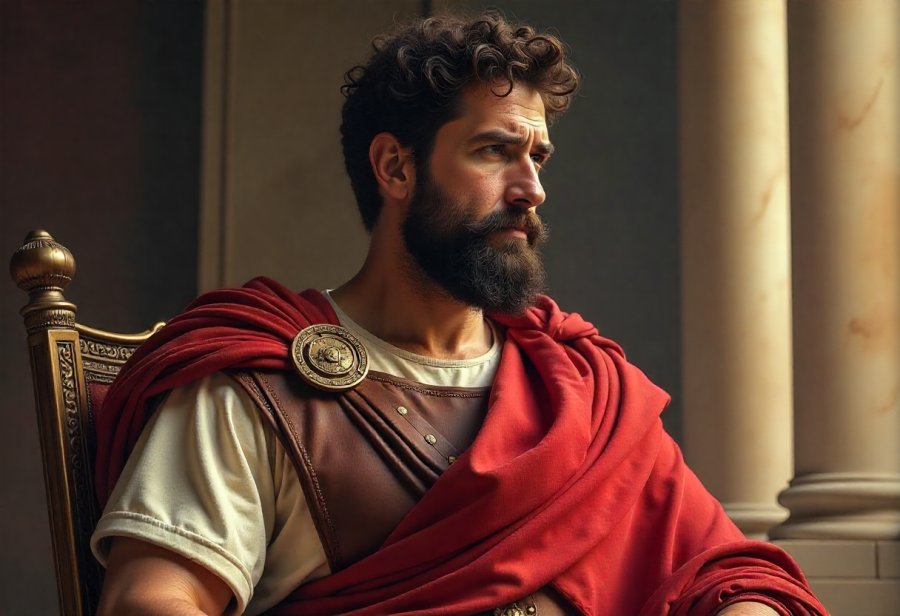
Art and Symbolism: Revealing Marcus Aurelius’s Dual Identity as Warrior and Philosopher
Artistic depictions of Marcus Aurelius reveal a nuanced understanding of his dual identity as both warrior and philosopher. Statues and busts often show him wearing laurel wreaths and imperial robes—symbols of victory and authority—but his calm, contemplative expression hints at a deeper inner life rooted in wisdom and self-control. These images are more than mere displays of power; they serve as visual cues emphasizing that true leadership combines strength with inner discipline.
Many sculptures capture Marcus in moments of quiet reflection or moral deliberation. His serene face, sometimes furrowed in thought, signals a mind engaged in moral reasoning. These visual cues project an image of a ruler who values justice and virtue above ego or conquest. The way he is portrayed—standing or seated, often with a hand raised in a gesture of discourse—underscores that his authority is grounded in moral authority and self-mastery, not just external symbols.
The symbolism woven into his images underscores that genuine leadership involves inner discipline. The laurel wreath, traditionally a sign of triumph, becomes a reminder of duty, humility, and moral responsibility when worn by Marcus. Similarly, the imperial robes are more than ornaments; they reflect service and stewardship. These symbols suggest that Marcus viewed leadership as a burden to be borne with virtue, rather than a privilege to indulge personal pride.
Depictions of Marcus engaged in acts of justice or introspection highlight that inner strength is the foundation of authentic authority. Scenes where he appears meditative or engaged in judgment emphasize his commitment to fairness and moral clarity. These visual moments serve as powerful metaphors: self-mastery is the core of influence, and a leader who remains calm and just amid crisis demonstrates that true power is rooted in inner resilience.
Many artworks echo his personal journaling practice, capturing private moments of reflection. His contemplative expressions mirror those recorded in *Meditations*, emphasizing that daily introspection sustains resilience and wisdom. These visual representations remind us that internal discipline, cultivated through consistent reflection, is key to enduring strength—both in leadership and in life.
Together, these artistic portrayals craft a portrait of Marcus Aurelius as a leader embodying both strength and philosophical depth. His images reinforce the idea that authentic authority flows from self-control and moral virtue. They serve as timeless symbols, illustrating that the greatest power begins within—a resilient, disciplined inner world that sustains influence far beyond external victories.
Wisdom in Practice: Cultivating Inner Discipline for Effective Leadership
Practicing self-mastery and cultivating inner discipline are essential steps toward genuine leadership. Marcus Aurelius showed us that daily routines like journaling, reflection, and mindful awareness aren’t just philosophical exercises—they are practical tools for strengthening the mind. Regularly examining thoughts and reactions helps maintain calm and focus, even amid chaos. Incorporating small habits such as daily introspection or gratitude exercises builds resilience and clarity, creating a mental foundation that withstands setbacks and difficult decisions.
Consistency is key. Marcus’s habit of writing in his journal each day allowed him to identify weaknesses and reinforce virtues like patience and humility. Reflection kept him aware of his emotions, ensuring his actions aligned with his principles. Over time, this routine cultivated a calm, focused mindset capable of enduring hardship without losing sight of purpose. These simple practices are accessible and effective—they serve as reminders to stay grounded and centered regardless of external pressures.
History offers countless stories where inner resilience determined success. Leaders like Viktor Frankl, who endured immense suffering during the Holocaust, or Malala Yousafzai, who persisted despite violence and opposition, exemplify how inner discipline sustains us through life’s darkest moments. Their ability to focus on purpose and moral clarity turned adversity into strength. These examples reinforce that developing inner resilience isn’t just personal virtue—it’s a vital leadership trait that inspires others and helps navigate uncertainty with grace.
Building inner strength requires intentional habits and mindful effort. Daily acts such as setting aside time for reflection, journaling thoughts, or reviewing goals reinforce self-control and moral clarity. Cultivating patience during frustrating moments and responding thoughtfully instead of reactively strengthen mental resilience gradually. Viewing challenges as opportunities for growth rather than setbacks shifts our mindset, fostering perseverance. When we detach from fleeting emotions and focus on what’s within our control, we develop the moral clarity and self-mastery that serve us in leadership and life.
Maintaining inner discipline isn’t always easy, especially in a distraction-rich world. External circumstances can sway how we feel or see ourselves, but sticking to core principles keeps us aligned with our deeper purpose. Regular self-awareness and reflection prevent complacency and ensure we stay on track. Overcoming hurdles like setbacks or external pressures demands consistent routines, patience, and a growth-oriented mindset. Recognizing setbacks as lessons rather than failures strengthens resilience, helping us respond constructively and stay committed to our values.
This ongoing inner work shapes not only individual leaders but also organizational cultures. Cultures that prioritize inner discipline foster environments built on trust, transparency, and moral integrity. These qualities become the foundation for sustainable success, especially in uncertain times. Leaders who invest in their inner growth inspire others to develop resilience and authenticity, creating a ripple effect of strength that elevates entire communities. Over time, this collective resilience redefines what true leadership looks like in a complex world.
In the end, cultivating inner discipline is a lifelong journey. It’s about making deliberate choices every day—responding thoughtfully, embracing challenges, and staying true to your moral core. As Marcus Aurelius demonstrated, mastery over oneself is the greatest form of power. By investing in our inner selves—through reflection, patience, and moral clarity—we build a resilient foundation that not only supports effective leadership but also enriches our entire lives. Inner discipline isn’t just a virtue; it’s the key to enduring influence and authentic strength.
The Future of Leadership: Embracing Inner Power in a Changing World
As the world becomes ever more complex and interconnected, the importance of inner discipline for future leaders grows even clearer. External achievements—whether in technology, finance, or politics—may be fleeting amid rapid change, but the ability to stay grounded, centered, and morally clear remains enduring. Leaders who cultivate resilience, self-awareness, and patience will be better equipped to navigate crises, make thoughtful decisions, and inspire lasting trust. These qualities—rooted in timeless virtues like humility and self-control—are just as vital today as they were centuries ago.
The shift away from traditional notions of power signals a broader recognition of inner strength’s value in leadership. Modern leadership emphasizes emotional intelligence, moral integrity, and composure under pressure—skills that are often more crucial than technical expertise in moments of upheaval. Leaders prioritizing self-awareness and inner growth foster environments of trust and stability, qualities essential for sustainable success in an unpredictable world.
Looking ahead, cultivating inner discipline could redefine what leadership truly means. The most influential figures of tomorrow will likely be those who master themselves first—demonstrating moral clarity, patience, and mental fortitude amid chaos. These leaders won’t rely solely on external symbols of power but will inspire through authenticity and consistency, setting examples that resonate long after external victories fade. Their inner strength will serve as a moral compass, guiding organizations and communities through uncertainty with integrity.
To prepare for this future, individuals and organizations should invest in developing inner resilience. Daily routines like reflection, journaling, and mindfulness aren’t just self-care; they’re strategic tools for building mental fortitude. These practices reinforce self-control and clarity, helping leaders respond thoughtfully rather than react impulsively during setbacks or moral dilemmas. Over time, such habits create a stable foundation that sustains confidence and moral purpose, regardless of external pressures.
Building inner discipline isn’t always straightforward, especially in a distraction-filled age. External circumstances can sway emotions and perceptions, but sticking to core principles keeps us aligned with our deeper purpose. Regular self-awareness and honest reflection prevent complacency, helping us recognize growth opportunities amid setbacks. Viewing challenges as lessons rather than failures fosters resilience, enabling us to adapt and stay committed to our values.
This ongoing inner work extends beyond individual leaders, shaping organizational cultures rooted in trust, transparency, and moral integrity. Cultures that prioritize inner discipline foster environments where authentic influence flourishes, even in turbulent times. Leaders who invest in their inner growth inspire others to do the same, creating a ripple effect that elevates entire communities and organizations. Over time, this collective resilience redefines effective leadership in a rapidly changing world.
Ultimately, the principles of inner discipline are timeless. They serve as a steady anchor amid turbulence, guiding leaders to act with clarity, purpose, and moral strength. The wisdom of mastering oneself, as exemplified by Marcus Aurelius, remains profoundly relevant today. In a world of constant flux, the greatest power lies within—a resilient, virtuous core that sustains us through any external upheaval. When leadership is rooted in inner strength, it becomes not just a role but a legacy that endures beyond fleeting circumstances.