




Embark on your first camping adventure with the transformative power of a simple, positive mindset. While the outdoors often seem daunting—gear, setup, unpredictable weather—approaching each challenge with curiosity and resilience turns obstacles into memorable stories. How can mental preparation and a flexible attitude elevate your experience from stressful to rewarding? This guide reveals how embracing setbacks as part of the journey fosters confidence, patience, and genuine joy. Through real stories of campers overcoming surprises with humor and persistence, you’ll see how mindset shapes not only your trip but your connection with nature itself. Looking ahead, innovative tools like virtual reality previews and mindfulness practices promise to make outdoor adventures more accessible and fulfilling. Could cultivating a resilient, open outlook be the key to unlocking endless outdoor discoveries? The future of camping isn’t just about scenery; it’s about cultivating growth and joy from every moment outside.
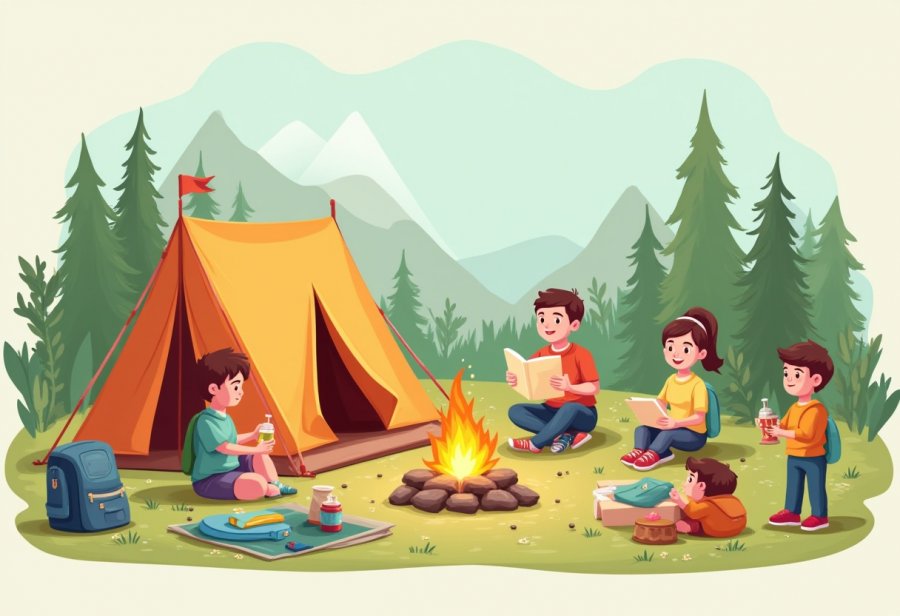
Transform Your Camping Trip with the Power of a Positive Mindset
Starting your first camping trip might feel a bit intimidating, but the way you approach it can make all the difference. A positive, open mindset transforms what could be a stressful challenge into a genuine adventure. When you’re mentally prepared to embrace the outdoors—ready to adapt, stay curious, and enjoy each moment—your trip becomes more than just a checkmark on your list; it turns into a memorable experience worth savoring.
Having the right attitude helps you stay relaxed when plans don’t unfold perfectly. Maybe the weather surprises you, or setting up your tent takes longer than expected. Viewing these moments as part of the journey rather than setbacks keeps frustration at bay. This perspective allows you to see challenges as opportunities for learning and humor, making your trip more enjoyable and less stressful. It’s all about shifting your focus from problems to possibilities.
A good camping mindset also encourages you to notice the small joys around you. Listening to birdsong, feeling the breeze on your face, or watching the sunrise can become highlights instead of afterthoughts. Approaching each moment with curiosity rather than expectation deepens your connection with nature and helps you find pleasure in simple things. This mindfulness transforms ordinary outdoor scenes into meaningful memories, enriching your overall experience.
Your mindset influences how much you enjoy the trip and how you handle surprises. Confidence and resilience grow when you treat setbacks as normal parts of outdoor life. Whether it’s gear mishaps or unexpected rain, maintaining a sense of humor and flexibility keeps the mood light. These moments often turn into funny stories and lessons that stay with you long after your trip ends. Embracing the unpredictable makes camping more about discovery and less about perfection.
Ultimately, your attitude shapes your outdoor adventure. A positive, adaptable mindset invites you to savor the beauty of the natural world and approach challenges with patience and humor. When you see camping as an opportunity to learn, grow, and connect, even setbacks become part of the journey. This outlook not only makes your trip more enjoyable but also leaves you with a deeper appreciation for the outdoors—and for yourself.
Essential Preparations for a Smooth First Camping Adventure
Preparing for your first camping trip can seem overwhelming at first, but breaking it down into simple steps makes it much more manageable. Start by choosing a beginner-friendly spot, like a local park or a campsite with basic amenities. Staying close to home reduces travel stress and helps you feel more comfortable stepping into the outdoors for the first time.
Create a straightforward packing list that covers essentials: a tent, sleeping bag, water, weather-appropriate clothing, and some basic cooking gear. Keep your gear simple and practical to avoid feeling overloaded. Focus on the essentials that will keep you comfortable and safe, rather than trying to pack everything you own.
Familiarize yourself with key camping skills before your trip. Practice setting up your tent at home so you can do it quickly and confidently outside. Learn how to start a fire safely, perhaps by watching tutorial videos or practicing in your backyard. Knowing how to use a water filter or purification tablets ensures you’ll stay hydrated even if natural water sources are your only option.
Choosing the right gear makes a big difference. Opt for an easy-to-assemble tent suited to the expected weather. Pack a warm, comfortable sleeping bag and a waterproof ground pad for restful nights. A reliable flashlight or headlamp will help you navigate after dark, and layering clothing allows you to adjust to temperature changes. Including a basic first aid kit with bandages and antiseptic wipes helps you handle minor injuries smoothly.
Efficient packing is about organization. Lay out everything you plan to bring and prioritize items based on importance and frequency of use. Use packing cubes or separate bags to keep things orderly, which makes finding what you need quick and easy. Pack heavier items at the bottom of your bag, and keep essentials like snacks, a map, or a flashlight accessible on top.
Double-check your list before heading out. Make sure you haven’t left anything crucial behind, and review your gear to confirm everything is in good condition. A well-organized bag helps you transition smoothly from your car to the campsite, reducing last-minute stress. Remember, a little preparation goes a long way in making your first camping experience enjoyable and memorable.
Keep in mind that camping is about embracing the outdoors and having fun, not perfection. The more familiar you are with your gear and routines, the more relaxed you’ll feel. Practice assembling your setup, review safety tips, and consider doing a trial run if possible. With the right mindset and some basic skills, your first trip will set a positive tone for many adventures to come.
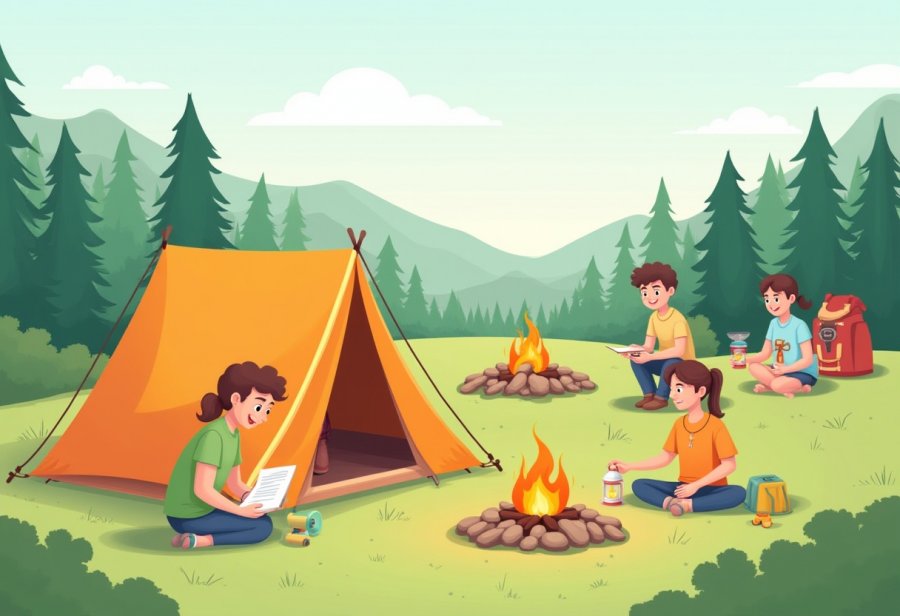
Unlocking Joy: How Attitude Turns Camping into a Memorable Journey
Making the most of your camping experience hinges on your attitude and how fully you engage with the outdoors. Approaching your trip with curiosity and positivity transforms every moment into an opportunity for discovery. Instead of rushing through activities or focusing on what’s going wrong, pause to appreciate the small details— the way sunlight filters through leaves, the sound of birdsong, or the texture of a smooth stone. These simple pleasures deepen your connection to nature and turn ordinary moments into meaningful memories.
Confidence in your outdoor skills also plays a crucial role. Each small success, like setting up your tent or lighting a campfire, builds trust in your abilities. When setbacks arise, responding with patience and humor keeps the mood light and your spirits high. Overcoming minor challenges becomes a source of pride, encouraging you to try new things and enjoy the process rather than dwell on difficulties.
Resilience is key to enjoying camping fully. Bad weather or unexpected surprises are part of the experience. Instead of feeling discouraged, see these moments as part of the adventure. Whether it’s adjusting your plans, cozying up indoors, or simply taking a moment to appreciate the rain or insects, flexibility keeps your mood upbeat. This adaptability not only makes your trip more enjoyable but also teaches you to handle surprises with grace and a sense of humor.
Deepening your connection with nature enhances your overall experience. Stay curious and observant—notice the intricate patterns on leaves, the flight of a butterfly, or the way the stars emerge overhead. Engaging fully with your environment makes each walk or campfire more immersive, fostering gratitude and a sense of wonder. When you’re present, outdoor moments become more than just scenery—they become a source of inspiration and calm.
Sharing these experiences with family or friends amplifies the joy. Conversations around the campfire, group hikes, or simply watching a sunrise together create bonds that last long after the trip ends. A positive attitude encourages everyone to relax, participate, and see the outdoors as a space for fun and growth. It turns camping from a simple activity into a shared adventure filled with discovery and laughter.
Finally, embracing the unpredictable makes camping memorable. Mistakes, insects, or sudden weather changes are all part of the story. Approaching them with patience and humor turns potential frustrations into funny anecdotes and learning moments. This mindset not only makes your trip more enjoyable but also helps you see setbacks as opportunities to develop resilience and creativity. When you focus on the journey rather than perfection, each outdoor experience becomes a stepping stone toward a lifelong love of nature.
Real Stories, Real Lessons: The Impact of Mindset in Outdoor Adventures
One of the most compelling ways to see how mindset shapes camping experiences is through real stories from those who’ve been there. Take Sarah, for example. Nervous about her first trip, she worried about forgetting essentials or struggling with outdoor skills. But her positive outlook transformed every obstacle into a learning opportunity. When her tent kept collapsing in the wind, she stayed calm, adjusted her setup, and joked that she needed a “tent rescue team.” That resilience boosted her confidence, turning what could have been a stressful ordeal into a memorable adventure.
Emma’s story offers another valuable lesson. She was anxious about not being prepared enough and worried she wouldn’t enjoy herself. Yet, she approached her trip as a chance to explore and have fun. When setting up her tent took longer than expected, she chose humor over frustration. Waking up to birdsong and starry nights, she found joy in the simple moments. Her positive attitude helped her embrace setbacks as part of the adventure, inspiring her to plan more outdoor trips in the future.
These stories reveal a common thread: a positive mindset makes a tangible difference. Campers who approach their trips with optimism tend to notice more details—the textures of leaves, the flight of a butterfly, the patterns of stars. They remain calmer when faced with unexpected issues like rain or gear problems, viewing them as part of the journey, not failures. This resilience fosters a sense of independence and trust in oneself, making future adventures feel more accessible and enjoyable.
Handling surprises with humor and patience can turn potential frustrations into stories worth sharing. Whether it’s insects buzzing around or sudden weather shifts, adaptable campers shift plans or simply pause to appreciate the moment. This flexibility not only preserves their mood but also deepens their connection to nature. Over time, these experiences build confidence and a sense of mastery, encouraging more exploration and outdoor enjoyment.
In the end, these real-life examples highlight how a mindset rooted in curiosity, patience, and humor transforms camping from a mere activity into a powerful journey of self-discovery. Each challenge becomes a stepping stone, each setback a story. When you approach outdoor adventures with an open heart and a resilient spirit, the outdoors offers endless opportunities for growth, joy, and unforgettable memories.
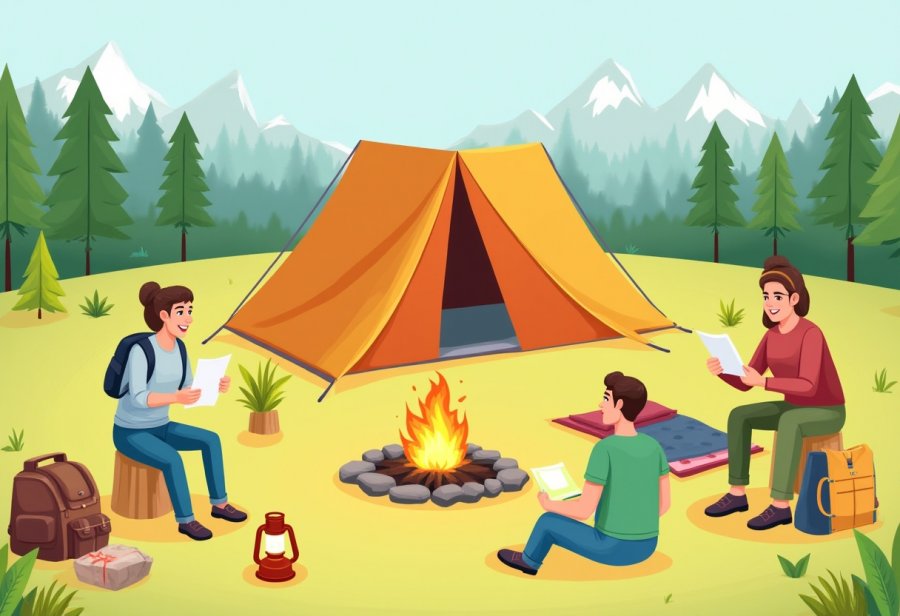
The Future of Camping Mindset: Embracing Technology, Mindfulness, and Connection
As outdoor recreation continues to evolve, so does our understanding of how a positive mindset can shape the camping experience. New tools and ideas are emerging that help campers prepare mentally even before they step into the outdoors. Virtual reality simulations of campsites and natural environments are increasingly accessible, allowing beginners to visualize their trips and build confidence ahead of time. Experiencing a preview of the scenery and setting reduces anxiety and fosters a sense of familiarity, making the actual trip feel less intimidating.
Alongside technology, mindfulness practices tailored for outdoor settings are gaining popularity. Apps that guide breathing exercises, gratitude journaling, or meditative walks encourage campers to stay present and deepen their connection with nature. These techniques promote mental resilience, helping adventurers handle setbacks like sudden weather changes or minor mishaps with patience and calm. Incorporating such practices into outdoor routines emphasizes that mental well-being is just as crucial as physical gear, creating a balanced approach to outdoor adventures.
The growing focus on eco-conscious camping and nature therapy also influences future attitudes. When campers see themselves as part of a larger ecosystem, their perspective shifts from taking to giving back. Respect for the environment and a sense of stewardship nurture patience and mindfulness, fostering a deeper appreciation for the natural world. This connection encourages responsible outdoor practices and cultivates a more compassionate outlook—toward nature and oneself—during challenging moments, making each trip more meaningful.
Looking ahead, these trends suggest a future where outdoor experiences are more accessible, enriching, and personally transformative. Virtual tools may become standard prep routines, helping newcomers feel more at ease. Meanwhile, mental training apps and mindfulness techniques will continue to cultivate resilience and curiosity, ensuring setbacks don’t overshadow the joy of discovery. Combining technological advances with educational efforts that emphasize patience and growth can elevate camping from simple recreation to a journey of self-awareness.
For those eager to develop a stronger camping mindset, small habits like visualization, breathing exercises, or setting positive intentions before trips can make a significant difference. As these practices become more common, outdoor adventures will increasingly serve as opportunities not just for recreation but for personal development. The future of camping mindset lies in blending mental and physical preparation, fostering experiences that are not only fun but also deeply fulfilling.
This shift will encourage more people to embrace outdoor life with confidence and curiosity, transforming how we approach nature. By nurturing resilience, mindfulness, and stewardship, the outdoor community can foster a more inclusive, respectful, and enriching environment for everyone. The journey toward a positive camping mindset is ongoing, but the tools and ideas emerging today promise a more connected, confident, and compassionate relationship with the outdoors—one trip at a time.