In a rapidly evolving digital landscape, the power of customizable telephony solutions lies in their ability to transform communication into a strategic asset. Grandstream’s innovative devices and scalable cloud platforms streamline deployment and management, making high-quality, flexible voice connectivity accessible for businesses of all sizes. But how can these technologies truly redefine efficiency, collaboration, and customer engagement? As organizations adopt AI, IoT, and next-generation networks like 5G, they unlock unprecedented opportunities for automation, remote management, and intelligent routing—yet must navigate the complexities of integration and security. This critical junction promises a future where seamless, personalized communication supports agility and growth. Are you ready to harness these innovations and future-proof your network, or risk falling behind in a competitive market that demands smarter, faster connectivity?
Enhance Your Business Communications with FiberConX’s VoIP Solutions in Canada
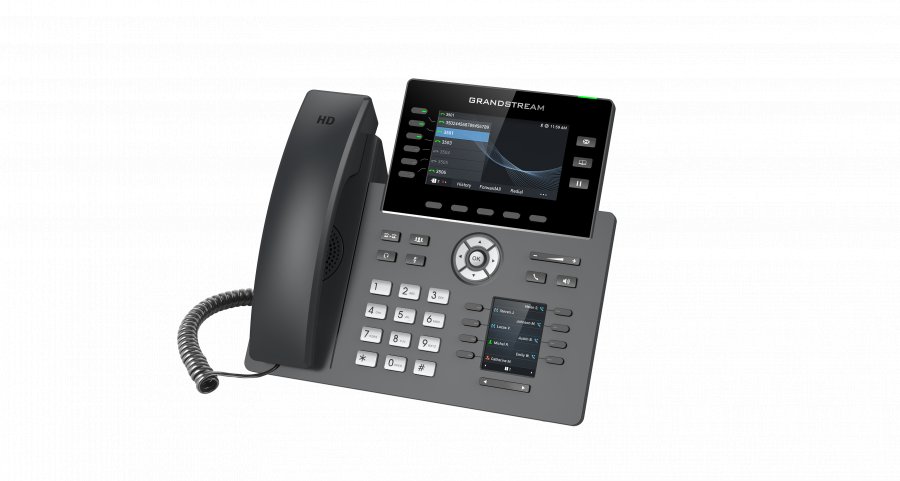
Discover the advanced features of the Grandstream GRP2615 offered by FiberConX Communications, a leading provider of VoIP and IP business phone services in Canada. Our solutions include comprehensive voicemail, customizable IVR systems, Ring Groups, and voicemail-to-mail functionality, ensuring seamless communication for your business. Whether you’re managing customer calls or internal team messages, FiberConX’s reliable services help streamline operations and improve efficiency. For more information or to get started, contact us at [email protected] or call 1.800.961.6856 today.
Transform Your Business Communication with Customizable Telephony Solutions
In today’s fast-moving business world, staying connected isn’t just a convenience—it’s a vital part of daily operations. Traditional phone systems often fall short in meeting the needs of modern organizations, especially those with remote teams, high call volumes, or complex workflows. That’s where customizable telephony solutions come into play, offering the flexibility to tailor communication tools precisely to your business’s unique demands. Instead of forcing your team to adapt to rigid systems, these tailored setups allow you to design a communication environment that supports your specific processes and growth plans.
The key benefit of personalized telephony lies in its adaptability. By customizing features such as call routing, auto-attendants, and integrations with other digital platforms, businesses can create a seamless, efficient communication flow. This not only improves internal collaboration but also enhances customer interactions, making support faster and more personalized. When your phone system aligns with your operational needs, it becomes an active partner in your success rather than just a basic tool.
Scalability is another major advantage. As your organization grows or shifts focus, your telephony system can evolve accordingly. You can start with core functions and gradually add advanced capabilities, like AI-driven analytics or multi-channel support, without needing a complete overhaul. This flexibility ensures your investment remains valuable over time, adapting fluidly to changing demands and avoiding costly replacements or disruptive upgrades.
Modern technology has made customization more accessible than ever. Cloud-based platforms enable centralized management, allowing IT teams to remotely configure, update, and troubleshoot your system. This ease of control simplifies deployment across multiple locations and reduces downtime, ensuring your communication channels remain reliable at all times. The ability to manage your telephony infrastructure from anywhere means faster response times and less disruption, especially for organizations with remote or hybrid workforces.
Choosing a tailored telephony solution isn’t just about adding features—it’s about building a strategic asset that boosts your organization’s agility and professionalism. When your communication tools are designed to support your unique workflows and growth trajectory, you create a more efficient, customer-focused environment. This approach helps differentiate your business in a competitive landscape, making sure you’re not just keeping up but staying ahead with a system that truly works for you.

Tracing the Evolution: Foundations of Telephony Technology
Telephony technology has advanced significantly over the decades, transforming how we communicate both personally and professionally. It all began with traditional landline phones that used analog signals and circuit-switched networks, establishing a dedicated pathway for each call. While reliable at the time, these systems were limited in flexibility and scalability, making them less suited for the fast-changing needs of modern businesses. As digital technology developed, the industry shifted toward digital systems, paving the way for more versatile communication solutions.
The major breakthrough came with Voice over Internet Protocol, or VoIP, which revolutionized business communication by transmitting voice calls over the internet. Instead of relying on physical copper wires, VoIP reduces costs and enables integration with other digital tools, such as customer relationship management (CRM) platforms. This technology allows organizations to manage their voice systems remotely, expand quickly, and adapt without significant hardware investments, making it ideal for dynamic, growing businesses.
Understanding the core concepts behind current telephony systems helps clarify their importance today. IP phones, for example, connect directly to a network and offer features like high-definition audio, multiple lines, and customizable buttons—replacing traditional phones with more flexible, digital alternatives. Meanwhile, private branch exchange (PBX) systems serve as internal switches that route calls within an organization. Cloud-based PBX solutions have taken this further, removing the need for bulky on-site hardware and enabling remote management, configuration, and troubleshooting.
Modern telephony is built on scalable, digital solutions that emphasize ease of use and integration. Cloud platforms provide centralized control, allowing IT teams to configure settings, monitor performance, and make updates from anywhere. This approach simplifies deployment across multiple locations, maintains consistent quality, and enhances security. As businesses digitize more of their operations, features like AI-powered call routing, real-time analytics, and IoT connectivity are becoming standard, making communication smarter and more responsive.
The evolution from analog to digital and now to internet-based systems reflects a broader trend toward more adaptable, intelligent networks. These advancements allow businesses to craft tailored communication environments that support remote work, high call volumes, and seamless integration with other digital systems. Recognizing these foundational technologies is key to understanding how modern telephony can be harnessed to increase efficiency, improve customer interactions, and support future growth.
By grasping the basics of telephony’s technological evolution, organizations can make smarter choices when upgrading their systems. Whether planning to shift to a cloud-based platform or exploring new integrations, understanding the capabilities and limitations of current solutions ensures you’re prepared for the digital communication landscape. This knowledge helps build a future-proof infrastructure that boosts operational agility, enhances customer service, and keeps your business at the forefront of innovation.
Grandstream’s Cutting-Edge Devices Power Seamless Communication
Grandstream’s range of telephony devices exemplifies how modern technology can deliver seamless, customizable communication solutions tailored to diverse business needs. Their IP phones combine intuitive interfaces with robust features like HD audio, multi-line support, and flexible provisioning options, enabling organizations to craft systems that perfectly fit their workflows. Whether managing a small team or a large customer support center, these devices ensure reliable, high-quality voice communication that enhances productivity and elevates customer interactions.
For larger deployments, the GRP series offers carrier-grade phones designed for straightforward management and quick setup. These models support centralized configuration through Grandstream’s Device Management System (GDMS), which simplifies provisioning, monitoring, and firmware updates across hundreds or thousands of units. This centralized control minimizes maintenance efforts, reduces downtime, and makes scaling smooth and efficient—ideal for businesses aiming to expand without sacrificing performance.
Deployment and ongoing maintenance are central to Grandstream’s design philosophy. Many devices support zero-touch provisioning, allowing them to automatically download settings when connected. This feature streamlines the process of rolling out new units across multiple locations, ensuring consistency and saving IT teams valuable time. The user-friendly interfaces and straightforward setup procedures mean even staff without technical backgrounds can handle basic configurations, accelerating deployment and reducing reliance on external support.
Network performance is a priority for Grandstream’s devices. Their IP phones incorporate built-in Quality of Service (QoS) features that prioritize voice traffic, ensuring clear, uninterrupted calls even in complex network environments. Support for multiple network options, including Wi-Fi and Ethernet, provides flexibility for various deployment scenarios—from traditional office setups to remote or hybrid workspaces. This adaptability helps organizations maintain high communication quality regardless of their infrastructure.
Beyond hardware, Grandstream offers management platforms that empower administrators to create tailored features like call routing, auto-attendants, and user permissions. These tools allow systems to be aligned with specific operational workflows, streamlining internal processes and delivering a more professional customer experience. Fine-tuning system behavior ensures that communication channels support organizational goals while projecting a polished, efficient image.
Innovation is a key driver for Grandstream’s product development. Recent models incorporate features such as integrated Bluetooth, video calling, and compatibility with collaboration tools, reflecting the evolving landscape of business communication. These advancements enable a unified platform where voice, video, and data work together seamlessly, supporting hybrid work models and remote teams. This versatility keeps organizations adaptable and prepared for future communication demands.
Managing large-scale deployments is simplified with Grandstream’s comprehensive management solutions. From remote configuration to real-time analytics, these platforms reduce manual effort and minimize errors. They allow IT teams to monitor system health, roll out updates, and troubleshoot issues from anywhere—ensuring consistent performance across multiple locations. This level of control helps maintain high reliability and security, even as organizations grow or shift their operations.
Choosing Grandstream means investing in devices built for reliability, scalability, and ease of use. Their offerings support organizations of all sizes in building personalized telephony solutions that are powerful yet simple to manage. This balance of innovation and practicality enables businesses to deploy advanced communication systems without the complexity or high costs typical of traditional hardware. With Grandstream, organizations create connected environments where efficiency and professionalism go hand in hand, paving the way for smarter, more responsive communication.

Embracing the Future: Trends and Opportunities in Telephony Technology
Emerging technologies like cloud-managed telephony are transforming how businesses communicate, offering unprecedented flexibility and control. Instead of relying solely on traditional hardware or on-premises systems, companies can now manage their entire communication infrastructure remotely through cloud platforms. This shift makes scaling seamless—adding new users or expanding to additional locations becomes as simple as clicking a button—while significantly reducing deployment times and costs. With real-time monitoring and remote management capabilities, IT teams can troubleshoot, update, and optimize systems from anywhere, ensuring high availability and security without the need for physical presence or extensive hardware upgrades.
Artificial Intelligence (AI) integration is further elevating the capabilities of modern telephony solutions. Features like intelligent call routing, speech recognition, and virtual assistants automate routine tasks and deliver more personalized customer support. AI can analyze incoming call data to predict customer needs or suggest responses for agents, streamlining interactions and boosting satisfaction. As AI continues to evolve, it promises to redefine customer experience by making support more intuitive and responsive while reducing operational overhead. This intelligent automation not only enhances efficiency but also frees up resources for more strategic initiatives.
The Internet of Things (IoT) is extending the reach of telephony systems into broader workplace automation. Imagine conference rooms that automatically adjust lighting and audio settings based on scheduled meetings or phones sharing data with security and environmental systems to improve safety and energy efficiency. IoT connectivity enables communication devices to interact with other smart systems, creating a more dynamic, responsive environment. As businesses adopt IoT, telephony becomes an integral part of a larger digital ecosystem, supporting proactive management and operational agility that adapt in real time to changing needs.
Cloud management platforms are making it easier than ever to oversee large-scale deployments. Centralized dashboards allow administrators to configure device settings, perform firmware updates, and analyze performance data from anywhere. This level of control reduces manual effort, minimizes errors, and ensures consistent service quality across multiple locations. For remote or hybrid teams, cloud-based management streamlines ongoing maintenance, accelerates response times, and facilitates rapid adaptation to new business demands. This agility is crucial in a competitive landscape where communication must be reliable, scalable, and adaptable.
Looking ahead, technologies like 5G and edge computing will further amplify the potential of cloud-based telephony. Faster data transmission and lower latency will enable real-time, high-quality voice and video calls even in complex or remote environments. This paves the way for immersive collaboration tools such as augmented reality meetings and highly interactive customer support experiences. Organizations that embrace these advancements early will position themselves at the forefront of digital transformation, leveraging innovative communication platforms to boost productivity and customer engagement.
Adopting these emerging trends isn’t just about staying current—it’s a strategic move to gain a competitive edge. Cloud-managed solutions, AI-driven automation, IoT connectivity, and next-generation tech like 5G will become essential components of a modern, scalable business communication infrastructure. Investing now allows organizations to build a flexible, future-proof environment that enhances operational efficiency, improves customer support, and adapts effortlessly to evolving market demands. The future of business communication is digital, interconnected, and dynamic—those who lead the way will unlock new levels of agility and success.