In an era where communication efficiency can make or break a business, customized telephony solutions emerge as a game-changer—are you truly leveraging the full potential of innovative devices like Grandstream’s IP phones? This insightful exploration reveals how tailored systems, powered by cloud management and seamless device provisioning, transform traditional voice networks into agile, cost-effective infrastructures. As companies in retail, healthcare, remote work, and manufacturing adopt personalized setups, they enhance responsiveness, operational continuity, and customer satisfaction. But the future holds even greater promise: AI-driven call routing, 5G-enabled high-definition interactions, and integrated unified communication platforms are poised to redefine connectivity. Will your organization stay ahead by embracing these technological advances, or risk falling behind in a rapidly evolving digital landscape? Discover how strategic customization turns telephony from a basic tool into a vital asset for growth and resilience.
Enhance Your Business Communications with FiberConX’s Advanced VoIP Solutions
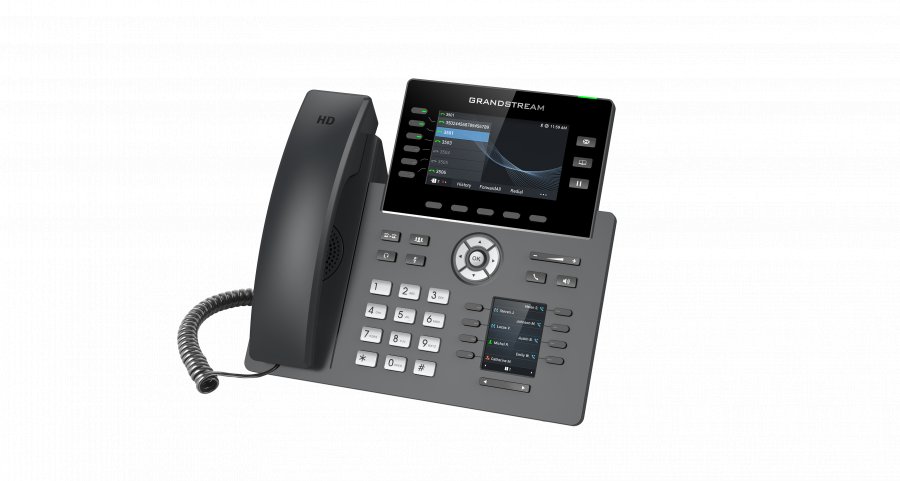
Discover the power of reliable VoIP services tailored for businesses and residents across Canada with FiberConX Communications. Our comprehensive offerings include features like voicemail, IVR, Ring Groups, and voicemail-to-mail, ensuring seamless communication management. For enhanced hardware integration, explore our Grandstream IP Phones, designed to optimize your telephony experience. Whether you need a robust system for customer interactions or residential calling solutions, FiberConX has you covered. Contact us today at [email protected] or call 1.800.961.6856 to learn more about our tailored VoIP packages and how we can elevate your communication infrastructure.
Revolutionize Business Communication with Customized Telephony Solutions
In today’s fast-moving business world, clear and efficient communication is more than just a convenience—it’s essential. Companies that invest in tailored telephony solutions can respond faster, coordinate better, and provide superior service to their customers. Instead of sticking with generic phone systems, organizations are now turning to customized setups that align perfectly with their unique workflows. This approach ensures that every device, feature, and management tool works in harmony, supporting daily operations seamlessly.
At the core of these personalized systems are IP networks, cloud management platforms, and device provisioning. Transitioning from traditional landlines to VoIP technology allows voice calls to travel over the internet, significantly reducing costs while opening up new options for customization. Cloud-based tools like Grandstream’s GDMS make it easy to configure, monitor, and maintain devices remotely, no matter where your team is located. This centralized control helps keep systems consistent across multiple sites and makes scaling straightforward as your business grows.
Device provisioning plays a vital role in creating a reliable communication infrastructure. Properly setting up IP phones and endpoints ensures they integrate smoothly into your network, minimizing errors and deployment time. When devices are configured correctly from the start, employees benefit from a more intuitive and dependable system, which boosts overall internal communication and reduces technical frustrations. This smooth onboarding improves user experience and encourages faster adoption across teams.
Designing a flexible telephony architecture involves combining these elements into a cohesive, adaptable system. Custom call routing, auto-attendants, and other features can be tailored to match your specific workflows, making everyday interactions more efficient. The modular nature of these solutions means you can add new devices or features without disrupting existing operations, keeping your organization agile and prepared for change. This scalability supports growth and helps you stay ahead in a competitive landscape.
Security remains a key concern in internet-based telephony. As these systems operate online, safeguarding conversations from cyber threats is crucial. Implementing encryption, network segmentation, and regular updates helps protect sensitive information and ensures compliance. When security is integrated into the core design, you can confidently leverage cloud management and device provisioning, knowing your communication channels are safe and resilient. This proactive approach helps future-proof your telephony infrastructure, making it both reliable and secure.
Grandstream: Pioneering Innovation in IP Telephony
Grandstream has positioned itself as a key innovator in the evolution of IP telephony over the past two decades. Starting with modest beginnings, the company quickly gained a reputation for offering reliable, affordable, and user-friendly VoIP solutions that met the demands of a rapidly digitalizing business world. Its early commitment to open industry standards, especially SIP, allowed for seamless integration across various platforms, giving customers the freedom to build flexible communication systems without vendor lock-in.
As the industry progressed, Grandstream continued to push the boundaries with innovative hardware and software offerings. The launch of its GRP Series IP phones marked a significant milestone, delivering enterprise-grade features combined with straightforward management. Designed for large-scale deployment, these devices make it easy for organizations to expand their communication infrastructure while keeping costs manageable. Cloud management tools like GDMS further simplify deployment and ongoing device oversight, empowering businesses to manage their systems remotely with ease.
A core strength for Grandstream lies in its unwavering support for industry standards. Compatibility with SIP and other open protocols ensures that their devices work smoothly within diverse ecosystems. This flexibility means organizations can choose solutions that best fit their existing infrastructure, whether that involves small offices or large enterprises. Such interoperability fosters a more customizable approach to building and expanding communication networks, enabling tailored solutions that grow alongside the business.
Innovation at Grandstream is driven by a clear vision: make advanced telephony accessible, manageable, and scalable for all types of organizations. This focus has led to a broad product lineup, including IP gateways, SIP trunks, and integrated IP PBX systems. These tools facilitate a smooth migration from traditional telephony, allowing businesses to upgrade incrementally without disrupting operations. The emphasis on security, ease of use, and future-proofing ensures that their solutions remain relevant in a fast-changing technological landscape.
Leadership, including founder and CEO David Li, champions a customer-centric and innovation-driven approach. Behind the scenes, a dedicated team of engineers and developers continuously refine their offerings, ensuring that each product meets high standards of quality and adaptability. This commitment to excellence keeps Grandstream at the forefront of telephony technology, shaping the future of IP communication solutions.
Through ongoing innovation and a focus on interoperability, Grandstream has established itself as a trusted leader in IP telephony. Its solutions are designed not just to meet today’s needs but to anticipate tomorrow’s challenges, empowering organizations to communicate more effectively and grow confidently in a digital-first world.

Fundamental Ideas Behind Tailored Communication Systems
At the core of customized telephony systems are several fundamental ideas that make tailored communication possible. These systems rely on IP networks, cloud management platforms, and device provisioning to create a flexible and scalable infrastructure. Transitioning from traditional landlines to VoIP technology means voice calls now travel over the internet, which lowers costs and unlocks new opportunities for personalization.
Cloud management tools like Grandstream’s GDMS centralize control, enabling remote configuration, monitoring, and updates across multiple locations. This centralized approach ensures consistency and simplifies maintenance, supporting rapid deployment and easy scaling as your business grows. Device provisioning is equally crucial; it involves preparing and configuring IP phones and endpoints so they integrate seamlessly into the network, reducing errors and deployment time.
Efficient device provisioning guarantees that phones and endpoints are set up correctly from the start, leading to a more reliable and user-friendly system. When employees experience fewer technical issues and intuitive interfaces, internal communication improves, and adoption accelerates. This foundation allows organizations to build communication networks that support their evolving needs without constant disruptions.
Designing a telephony architecture that combines these elements results in a highly adaptable solution. Custom call routing, auto-attendants, and other features can be tailored to match specific workflows, making everyday interactions more efficient. The modular nature of these systems means new devices or features can be added effortlessly, ensuring the infrastructure remains agile in a competitive environment.
Security is a vital aspect of IP telephony. Because these systems operate over the internet, safeguarding conversations from cyber threats is essential. Implementing encryption, network segmentation, and regular updates helps protect sensitive information and maintain compliance. When security is integrated into the core design, organizations can confidently leverage cloud management and provisioning tools without risking data breaches.
Despite their many advantages, implementing customized telephony solutions does present challenges. Integrating with legacy systems may require extra planning, and staff might need training to navigate new interfaces. Addressing these hurdles involves careful planning and ongoing support, but the payoff is a communication system that boosts efficiency, enhances collaboration, and supports future growth.
Understanding these core concepts—networking, device provisioning, architecture design, and security—gives organizations a solid foundation for building reliable, future-proof communication systems. When these elements work together, they enable a personalized, scalable, and secure platform that truly aligns with business needs. This strategic approach transforms telephony from a basic tool into a powerful asset for operational success and growth.
Real-World Success Stories of Customized Telephony in Action
Customized telephony solutions are reshaping how businesses communicate across various industries. For retail chains, deploying Grandstream’s GRP Series IP phones across multiple store locations ensures consistent, reliable communication. Staff can coordinate swiftly, respond promptly to customer needs, and deliver a seamless shopping experience. Managing these devices becomes more straightforward with cloud platforms like GDMS, saving time and reducing setup errors.
In healthcare settings, tailored communication systems improve response times and patient care. Hospitals and clinics use customized setups to securely connect departments, ensuring vital information flows smoothly. Emergency teams and receptionists coordinate effortlessly, leading to faster reactions and better outcomes. Remote monitoring and updates via cloud management maintain system security and performance without interrupting daily operations.
Remote and hybrid organizations benefit greatly from personalized telephony. Cloud-managed devices support flexible setups, enabling staff to work effectively from anywhere. IT teams can configure, troubleshoot, and update IP phones across multiple sites or home offices remotely, minimizing downtime. This agility allows organizations to adapt quickly to changing circumstances, whether expanding or shifting to new work models.
Customer support centers also see significant advantages. Custom call routing, auto-attendants, and queue management create smoother experiences for callers and increase agent productivity. Intelligent call distribution ensures inquiries reach the right team immediately, reducing wait times and boosting satisfaction. These features, easily managed through cloud platforms, simplify ongoing maintenance and upgrades.
Manufacturing companies rely on personalized telephony to keep operations running smoothly. Clear communication between factory floors, warehouses, and offices minimizes misunderstandings and delays. Features like prioritized call routing ensure critical messages get through during busy periods or emergencies, maintaining operational continuity. Cloud management tools keep these systems aligned and operating at peak performance.
Scalability remains a key benefit. As a business grows—adding new locations, employees, or services—the communication system can expand effortlessly. New IP phones or features can be deployed remotely, with minimal disruption. This flexibility allows organizations to respond rapidly to market changes, maintaining high-quality communication without costly infrastructure overhauls.
These real-world examples demonstrate that customized telephony isn’t just about technology; it transforms organizational communication. Whether in retail, healthcare, remote work, or manufacturing, tailored systems improve efficiency, enhance user experiences, and support growth. With devices like Grandstream’s IP phones and cloud management platforms, organizations can confidently build future-proof infrastructure that adapts to their evolving needs.

Emerging Trends and the Future of Personalized Telephony Technologies
As technology continues to evolve rapidly, the future of customized telephony promises to be more integrated, intelligent, and adaptable than ever before. Advances in artificial intelligence are beginning to transform how businesses manage calls, with features like AI-powered routing that can recognize voices, analyze conversations in real time, and even suggest next steps. These innovations enable companies to deliver faster, more personalized service while providing managers with deeper insights into customer interactions and communication patterns.
Cloud-based systems will become increasingly intuitive and scalable, supporting seamless remote and hybrid work environments. Automation will simplify deployment, updates, and maintenance, reducing the burden on IT teams and allowing organizations to respond swiftly to changing needs. With the rollout of 5G, voice and video quality will improve dramatically, enabling high-definition interactions that are reliable even in mobile or remote settings. This connectivity will break down barriers, making real-time communication smoother regardless of location.
Security remains a top priority as telephony systems grow more sophisticated. Emerging technologies such as end-to-end encryption, biometric authentication, and AI-driven threat detection will become standard features, helping safeguard sensitive conversations and data. As organizations increasingly rely on cloud-managed devices, maintaining privacy and compliance will be vital, prompting continuous innovation in safeguarding communication channels against cyber threats.
The integration of telephony with broader unified communication platforms will deepen, creating seamless ecosystems that combine voice, video, messaging, and collaboration tools. Imagine a call that automatically pulls up relevant documents or updates based on the caller’s profile, making every interaction more productive. This convergence will streamline workflows, reduce app-switching, and foster more natural, efficient exchanges—transforming traditional calls into dynamic, context-aware conversations.
Devices and management platforms will also become smarter, with artificial intelligence helping users manage their calls more effectively. Features like real-time language translation, voice command controls, and personalized preferences will break down language and technical barriers, making communication more inclusive and accessible across regions and skill levels. These advancements will empower employees to connect more effortlessly, regardless of geographic or linguistic differences.
Organizations that adopt these emerging trends early will gain a competitive edge, enhancing customer experiences, boosting operational agility, and supporting a more flexible workforce. As telephony becomes more embedded in daily workflows, it will evolve from a basic communication tool into a strategic asset that drives growth, innovation, and resilience.
In essence, the landscape of customized telephony is set to become more seamless, secure, and intelligent. Embracing these innovations now will position businesses to adapt quickly, deliver superior service, and maintain robust communication networks that evolve with industry standards and customer expectations. The future of telephony isn’t just about technology—it’s about transforming how organizations connect, collaborate, and thrive in a digital world.