Transforming Toronto yards into serene outdoor retreats involves more than just planting greenery—it’s about balancing beauty, sustainability, and personal satisfaction. How can homeowners create spaces that are visually stunning yet eco-friendly, resilient against Toronto’s harsh climate, and tailored to individual lifestyles? This guide explores innovative design strategies, from native plants that reduce maintenance to permeable paving that manages stormwater naturally. Real-world case studies highlight how thoughtful collaboration, eco-conscious choices, and creative solutions can turn challenging sites into personal sanctuaries. As landscape professionals emphasize native flora, sustainable materials, and smart technology, a compelling question emerges: how will future trends—like green infrastructure and digital planning—shape these outdoor escapes? The answer lies in a harmonious blend of artistry and environmental responsibility, promising outdoor spaces that inspire, relax, and endure—reflecting both homeowners’ desires and a commitment to a healthier planet.
Transform Your Outdoor Space with Toronto Landscape & Design
Looking to elevate your Toronto backyard? Toronto Landscape & Design (TLD) specializes in stunning landscape transformations with services including natural stone features, water gardens, irrigation systems, and retaining walls. Our award-winning designers take everything into consideration to craft personalized outdoor environments that suit your style and needs. Whether you’re dreaming of a serene water garden or a durable retaining wall, our team delivers exceptional craftsmanship. Discover how a carefully planned backyard makeover can boost your property’s beauty and value. Contact us today at 1.416.644.0499 or email [email protected] to start your project and bring your outdoor vision to life.
Transforming Toronto Yards into Personal Outdoor Retreats: Balancing Beauty and Sustainability
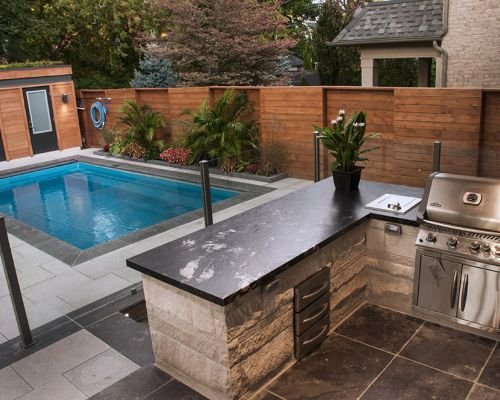
Transforming residential yards into inviting outdoor retreats has become a key focus for homeowners in Toronto. As urban life becomes more crowded and city spaces shrink, people are increasingly seeing their yards as more than just green patches—they’re personal extensions of their homes. These spaces are now places to unwind, entertain, and reconnect with nature, offering a much-needed escape from the hustle and bustle of city living. The challenge lies in designing these retreats to be both beautiful and practical, reflecting individual tastes while respecting environmental limits.
Designing outdoor spaces in Toronto means balancing aesthetic appeal with sustainability. The city’s climate—marked by cold winters and humid summers—requires thoughtful plant choices and durable materials. Native plants that thrive locally reduce water use and maintenance, making the landscape more resilient and eco-friendly. Eco-conscious features like permeable paving, rain gardens, and water-smart irrigation systems help manage stormwater naturally, supporting the local ecosystem and reducing environmental impact. The goal is to create yards that remain vibrant and functional year-round, without demanding excessive resources.
A successful transformation begins with understanding what each homeowner values most. Some desire lush gardens and lush greenery, while others prioritize sleek entertaining zones or cozy fire pits. Listening carefully to these preferences helps tailor the design to reflect personal style and lifestyle needs. It’s about translating individual visions into cohesive, sustainable landscapes that feel authentic and inviting. When the space aligns with the homeowner’s daily routines and aesthetic preferences, it becomes a true sanctuary—both visually pleasing and deeply personal.
Creating these outdoor retreats is more than just a matter of choosing pretty plants and stylish furniture. It involves integrating thoughtful, eco-friendly features that enhance both beauty and functionality. Incorporating native plants reduces the need for watering and chemical treatments, while sustainable materials like reclaimed wood and recycled stone minimize waste. Features like energy-efficient lighting, rainwater harvesting, and low-maintenance plantings support a greener approach. These choices ensure the yard remains a beautiful, sustainable space that requires less ongoing upkeep and continues to serve the needs of its owners.
Collaboration is at the heart of a successful transformation. From initial planning to final installation, clear communication and detailed planning ensure that every element aligns with the homeowner’s vision. Visual tools like sketches and samples help clients see the potential before building begins, fostering confidence and shared ownership. Regular updates and close supervision during construction prevent surprises and guarantee quality. When clients are involved throughout, the finished yard reflects their personality and preferences, turning a simple outdoor space into a true extension of their home.
Even challenging sites—such as sloped yards or limited spaces—can become stunning retreats with creative solutions. Terraced gardens, winding pathways, and carefully placed native plants can transform awkward or small areas into functional, beautiful landscapes. Using eco-friendly materials and designing with the environment in mind ensures these spaces are durable and low-maintenance over time. These innovative approaches prove that with thoughtful planning and a focus on sustainability, any yard, no matter its shape or size, can become a personal outdoor sanctuary that enriches daily life.
Real-World Success Stories: Crafting Eco-Friendly Outdoor Spaces in Toronto
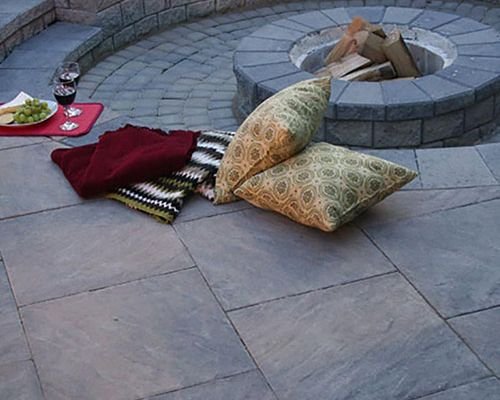
Transforming outdoor spaces in Toronto isn’t just a concept; it’s proven through a range of real-world projects that highlight how good design, sustainability, and client needs can come together seamlessly. One notable example involved turning a typical backyard into a low-maintenance, eco-friendly oasis. The homeowners wanted a space that was both beautiful and practical, so native plants that thrive locally were selected, complemented by permeable paving to manage stormwater naturally. Adding a custom fire pit created a cozy gathering spot, while detailed collaboration with the clients ensured every element—plant choices, lighting, and materials—aligned with their vision. The result was a stunning yard that supports environmental goals and requires minimal upkeep, proving that eco-conscious design can be both functional and beautiful.
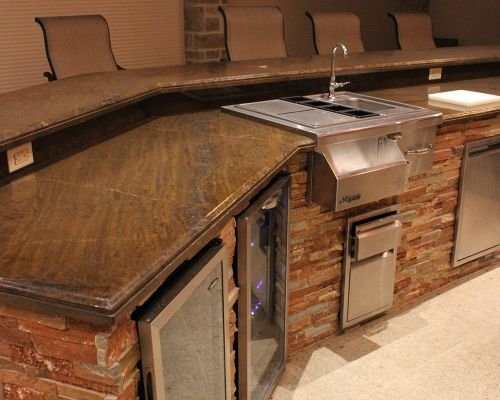
Another project showcases a Toronto backyard transformed into a versatile outdoor retreat. The clients sought a space that could accommodate family dinners, relaxing evenings, and casual get-togethers. The design divided the yard into distinct zones: an outdoor kitchen for cooking, a seating area with a fire pit, and lush native plantings for privacy and visual appeal. Sustainable choices like reclaimed wood for furniture and recycled stone for pathways kept the environmental footprint low, while energy-efficient lighting and water-saving irrigation systems enhanced eco-friendliness. This project demonstrated how balancing functionality with sustainable practices creates inviting outdoor spaces that truly match a family’s lifestyle.
Features that elevate a backyard into a genuine retreat often combine aesthetic appeal with practical benefits. For example, a recent Toronto project incorporated a built-in water feature alongside a sleek outdoor kitchen. The pond, filled with native aquatic plants, introduced a calming element that enhanced sensory experience, while the kitchen turned the space into an extension of the home. Homeowners loved how the combination created a peaceful sanctuary that was also perfect for entertaining. This shows that innovation—like integrating water features—can boost appeal without sacrificing sustainability, making the outdoor space both beautiful and functional.
Native plants play a central role in these successful transformations, naturally thriving in Toronto’s climate. Their use reduces watering needs, minimizes chemical dependencies, and supports local pollinators. Incorporating permeable paving allows rainwater to soak into the ground, decreasing runoff and protecting waterways. Recycled and biodegradable materials for pathways, seating, and decorative features not only add charm but also lessen environmental impact. Pairing these with energy-efficient LED lighting and rainwater harvesting systems further underscores the commitment to sustainability. These choices keep landscapes resilient and easier to maintain, ensuring their beauty endures over time.
Clear communication and meticulous planning are critical throughout these projects. Regular updates and detailed timelines keep clients involved and confident, preventing surprises during installation. Supervising every stage—plant placement, material selection, and construction—ensures that the final product meets design and sustainability standards. Visual tools like sketches and samples help clients visualize the finished space, fostering trust and alignment. When homeowners are part of the process, they tend to be more satisfied with the outcome, which becomes a true reflection of their vision and values.
Even challenging sites—such as sloped yards or limited space—can be transformed into stunning retreats with creative solutions. One Toronto project turned a steep, uneven yard into a series of terraced gardens filled with native plants. Winding pathways made from permeable materials improved accessibility and added visual interest, while subtle lighting highlighted key features. These adaptations show that obstacles like terrain and size aren’t barriers but opportunities for innovative design grounded in eco-friendly principles. By working with nature, these spaces become durable, functional, and visually captivating, proving that even the most difficult sites can be turned into personal outdoor sanctuaries.
Expert Insights: Best Practices for Sustainable and Stunning Landscapes
Seasoned landscape professionals emphasize that creating stunning, sustainable outdoor retreats starts with a deep understanding of both design principles and environmental responsibility. They often advocate for prioritizing native plants and eco-friendly materials, as these choices naturally thrive in Toronto’s climate, requiring less water, fertilizers, and pesticides. This approach not only supports local ecosystems but also reduces long-term maintenance costs, making the landscape more resilient and easier to care for over time.
Integrating innovative features thoughtfully can elevate a project without compromising its eco-conscious focus. Rain gardens, permeable paving, and solar-powered lighting add visual interest while providing ecological benefits. For example, rain gardens help manage stormwater naturally by filtering runoff and reducing pressure on city drainage systems. When these features are incorporated with care, they create outdoor spaces that are both beautiful and environmentally responsible, blending form and function seamlessly.
Professionals highlight the importance of ongoing maintenance and adaptive management. Regular assessments, pruning, and updates ensure landscapes remain healthy and aligned with evolving client needs. A well-maintained landscape not only sustains its beauty but also supports ecological roles, such as attracting native pollinators or reducing resource consumption. This long-term perspective is key to creating retreats that endure, remain vibrant, and continue to serve both aesthetic and ecological purposes.
Good project management and attention to detail are crucial in translating design visions into successful outdoor spaces. Developing detailed plans and realistic timelines helps keep projects on track, while close supervision during installation guarantees that every element—from plant placement to material quality—meets expectations. Using visual tools like sketches, mood boards, or plant samples encourages client involvement, fostering trust and ensuring the final result reflects their vision accurately.
Design challenges such as uneven terrain, limited sunlight, or compact spaces demand creative solutions. Experienced professionals adapt their approaches to turn these obstacles into opportunities. For instance, terracing a sloped yard with native plants creates visual interest and maximizes usable space. Winding pathways made from permeable materials improve accessibility and aesthetics, demonstrating that flexibility and eco-friendly principles can transform even tricky sites into beautiful, functional retreats.
Collaboration with clients is vital for success. Clear communication from the outset helps define goals and manage expectations. Regular updates and detailed progress reports keep clients engaged and informed, reducing surprises and fostering confidence. When homeowners are involved throughout the process, they develop a sense of ownership that results in a final landscape that’s genuinely personalized and satisfying.
The integration of eco-conscious practices doesn’t mean sacrificing style. On the contrary, many professionals combine sustainable features with striking design, such as using reclaimed wood for furniture or recycled stone for pathways. These elements add character and charm while supporting environmental goals. Thoughtful lighting, water features, and plant selections work together to create outdoor spaces that feel both inviting and environmentally aligned.
In the end, creating sustainable, stunning outdoor retreats in Toronto relies on a blend of expertise, innovation, and genuine collaboration. Professionals who prioritize native plants, eco-friendly materials, and thoughtful design principles can craft landscapes that are resilient, beautiful, and deeply personal. By staying flexible and attentive to ecological and client needs, landscape experts turn ordinary yards into enduring sanctuaries—spaces that inspire, relax, and serve as a proud reflection of their owners’ values.
Future Trends in Toronto Landscape Design: Embracing Innovation and Environmental Responsibility
As landscape design in Toronto continues to evolve, new opportunities are emerging that blend sustainability, technology, and personal expression. Eco-friendly materials like recycled stones and biodegradable mulches are making it easier to craft landscapes that are both beautiful and environmentally responsible. Meanwhile, smart irrigation systems, solar-powered lighting, and weather-responsive technologies are helping homeowners manage their outdoor spaces more efficiently, reducing resource use while enhancing convenience. These innovations not only support ecological goals but also simplify ongoing maintenance, making sustainable landscapes more accessible and manageable over time.
Climate change is reshaping how designers approach outdoor spaces in Toronto. With more unpredictable weather patterns, creating resilient landscapes that can adapt to shifting conditions is becoming essential. Native plants and drought-tolerant species are gaining prominence, offering vibrant gardens that require less water and care. Incorporating green infrastructure such as rain gardens and permeable paving helps manage stormwater naturally, reducing runoff and protecting local waterways. Designing with these considerations ensures that outdoor retreats remain functional, durable, and beautiful—even as environmental challenges grow more complex.
Homeowners now seek multifunctional outdoor environments that serve diverse needs—whether relaxing, entertaining, growing food, or supporting local ecosystems. Outdoor rooms equipped with integrated technology, edible gardens, and eco-friendly water features will become standard features. The focus shifts from purely aesthetic appeal to creating spaces that promote health, well-being, and environmental stewardship. Landscape professionals will have the chance to craft personalized retreats that seamlessly combine beauty with purpose, reflecting the values and lifestyles of their clients.
Technological advancements will play an increasingly vital role in landscape design. Automation and smart systems will enable remote control of lighting, watering, and plant health, making outdoor spaces easier to care for and more responsive. Virtual reality and digital modeling will allow clients to visualize their future gardens in detail before construction begins, fostering stronger engagement and confidence. These tools will facilitate customization, ensuring each project aligns precisely with individual tastes and needs. As a result, outdoor retreats will become more dynamic and tailored, elevating the homeowner experience.
Looking ahead, sustainability will remain at the core of landscape innovation. Emphasizing native plants, sustainable materials, and water-efficient systems reduces long-term costs and supports local ecosystems. Educating homeowners about practices like composting, rainwater harvesting, and organic fertilization will encourage eco-conscious choices that benefit both the environment and the wallet. Landscapes designed with longevity and adaptability in mind will require less intervention over time, ensuring they continue to thrive and provide value for years to come. As outdoor spaces become vital extensions of our homes and lifestyles, they will also serve as meaningful contributions to a healthier planet, inspiring a future where beauty and sustainability go hand in hand.